JHDD Architecture Report — 2026.10.14
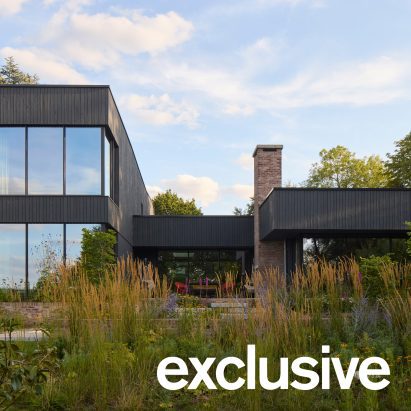
The charred timber cladding of Sable House by Allan Joyce Architects signals a deliberate material choice in challenging conventional domestic forms.
This design, like the transformation of the Revémont chapel into accommodation and the Guerrilla Shading Pavilion by Pearce+, reflects a pervasive, albeit often unarticulated, shift towards responsible intervention within existing conditions. Instead of monumental new builds, a focus emerges on reinterpreting and adapting structures or spaces already present. This approach values immediate utility and local engagement, recognizing that urban relevance often stems from accessible, timely solutions rather than grand, slow-moving projects.
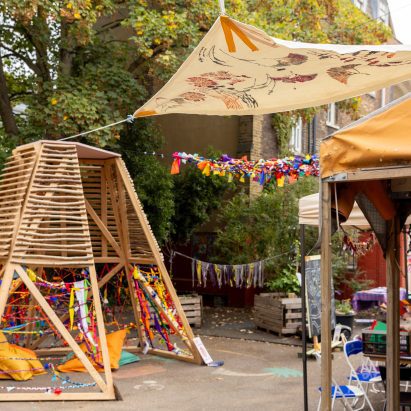
The industry frequently champions expensive, permanent infrastructure as the definitive answer to complex urban challenges, an opinion often fueled by developers and large practices. However, the Guerrilla Shading Pavilion by Pearce+ in Camden, London, offers a crucial counter-narrative, demonstrating that practical urban interventions need not be costly or overly complex. Its simple timber construction, a direct application of material honesty, underscores the profound potential of readily available resources to address immediate community needs like shade, rather than relying solely on high-tech, carbon-intensive alternatives. This approach, much like how skateparks redefine existing urban elements for new recreational and social uses, suggests a paradigm where architecture is less about imposing grand, new forms and more about enabling dynamic functionalities within the existing urban fabric.
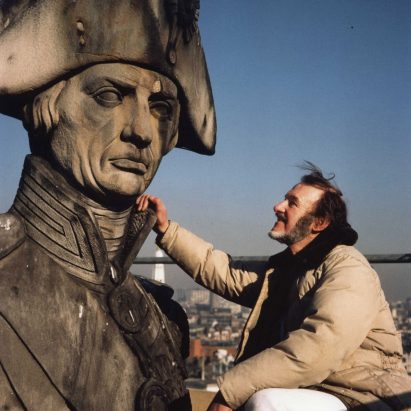
This commitment to adaptive reuse and resourcefulness contradicts the prevailing wisdom that significant urban impact necessarily requires significant capital expenditure and extensive material deployment. Donald Insall, though celebrated for his work on historic fabric like Windsor Castle, articulated a view of “conservation” distinct from static “preservation,” implying an active, evolving relationship with existing structures. Applying this philosophy to broader urban development, the active conservation of urban utility – ensuring spaces remain relevant and functional through timely, smaller-scale adaptation – becomes paramount, rather than static preservation of outdated forms or wholesale destruction for new builds. Architects should recognize that the profound and lasting impact of a design can be found in its adaptability, material resourcefulness, and capacity for incremental transformation. By late 2027, municipal planning departments are likely to introduce expedited permitting processes for temporary, demountable urban installations made from common, low-impact materials, recognizing their value in rapid urban improvement.
This pragmatic approach faces resistance from the prevailing economic models that incentivize large-scale new construction and the associated land speculation. Entrenched regulatory frameworks, often designed for permanent, conventional building, frequently impede agile, community-led, or temporary projects. Furthermore, the architectural profession’s own pursuit of iconic status and high-profile commissions can overlook the profound impact of smaller, more localized interventions.
Architecture professionals should proactively seek out and propose projects that involve adaptive reuse of overlooked urban spaces or existing structures, emphasizing demountable designs and locally sourced materials. This might include consulting with local community groups on temporary installations or advocating for flexible zoning policies that encourage rapid, low-impact urban interventions.
TL;DR
Responsible architecture reinterprets existing urban fabric with materially honest, accessible interventions over monumental new builds.
Curated References
About this editorial — This piece was developed using AI-assisted research and curation across multiple industry sources. All analysis, opinions, and predictions represent the editorial perspective of JHDD. Sources are linked in the references section above.