JHDD Interior Report — 2026.09.24
Apple’s unveiling of the 600-seat Apple Music Hall within London’s Battersea Power Station marks a continued evolution in how brands interpret physical presence, extending far beyond retail into curated experiences.
The common thread across these developments is a subtle re-evaluation of how sensory input, material presence, and structured flow dictate human experience within designed spaces. It is not about aesthetics or function in isolation, but the intensity and direction of user engagement, often modulated through unexpected material dialogues and the choreography of movement. Designers are exploring how to create specific emotional and cognitive states by carefully manipulating the tactile and visual landscape.
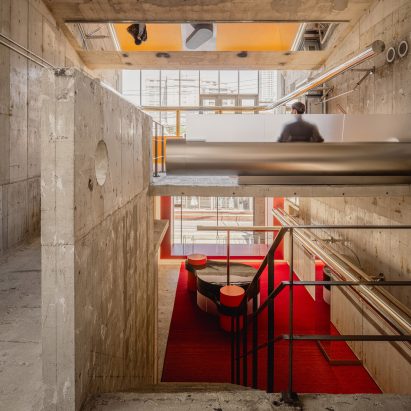
Consider the work of I IN in the Andersson Bell Tokyo store. The studio drew on the building’s existing exposed concrete interior, then layered glossy, reflective surfaces and warm red and yellow hues. This approach is not simply about visual contrast; it is about creating specific spatial tensions through materiality that subtly guide movement and focus. The polished surfaces add visual dynamism and reflect ambient light, influencing the perceived depth and openness of the space, while the raw concrete anchors the experience with its inherent tactile quality. This interplay defines zones and influences human flow without overt signage or physical barriers, dictating how a visitor navigates and perceives the merchandise. Mainstream design thinking often equates “experiential design” with maximum sensory stimulation or overt narrative. However, the Andersson Bell project demonstrates that a controlled sensory dialogue, using materiality to create moments of tension and release, can be more effective for guiding nuanced engagement and improving human flow than a sensory overload. By late 2027, design briefs for high-end retail and cultural spaces will increasingly incorporate explicit guidelines for “sensory modulation mapping” alongside traditional material palettes, aiming for precise emotional and behavioral outcomes based on material contrast and spatial tension.
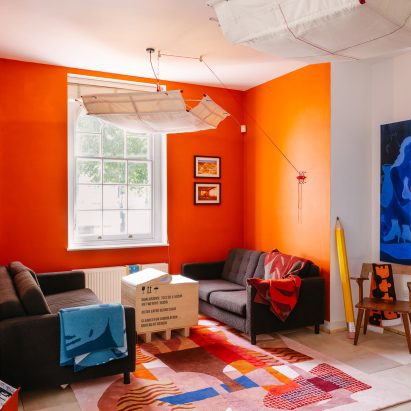
Similarly, the University of the Arts London’s transformation of the Atterbury Flat into a student design archive, where visitors can eat, sleep, and bathe among curated pieces, and Isabel + Helen’s kinetic models for The Conran Shop’s “Motion Sickness” exhibition, both lean into immersive sensory experiences. However, these initiatives exist in dialogue with Ellie Foster’s critique that “Too often, neurodiverse design is a marketing ploy.” True neuroinclusive design demands more than adding a calming color or a fidget object. It requires a deep understanding of varied sensory processing and spatial needs, moving beyond performative gestures to genuinely curated sensory environments. The emphasis must shift from adding disparate sensory elements to integrating a cohesive sensory narrative that enhances human flow and comfort.
The primary opposing force to this sophisticated approach is the superficial commercialization of complex human needs. This is evident in segments of the industry that market “neurodiverse products” without genuine research or integration into holistic spatial strategies. This force prioritizes trend adoption and immediate visual impact over nuanced human experience and genuine material engagement.
A working interior professional should conduct a “sensory audit” for their upcoming projects this week. This involves mapping every material, light source, and acoustic element against its potential impact on user focus, comfort, and movement. Identify areas of both overstimulation and understimulation, paying particular attention to how the tactile and auditory qualities complement or contradict the visual, especially in high-traffic or contemplative zones where human flow is critical.
TL;DR
Designing for human experience requires precise control of materiality, spatial tension, and sensory input, moving beyond superficial trends.
Curated References



About this editorial — This piece was developed using AI-assisted research and curation across multiple industry sources. All analysis, opinions, and predictions represent the editorial perspective of JHDD. Sources are linked in the references section above.