Julian’s Packaging Insight — 2026.06.07
The most profound unboxing experience may soon be the one you don’t have at all.
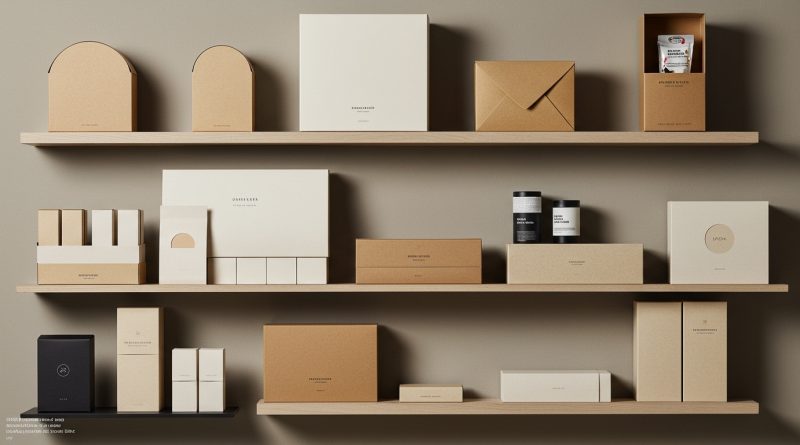
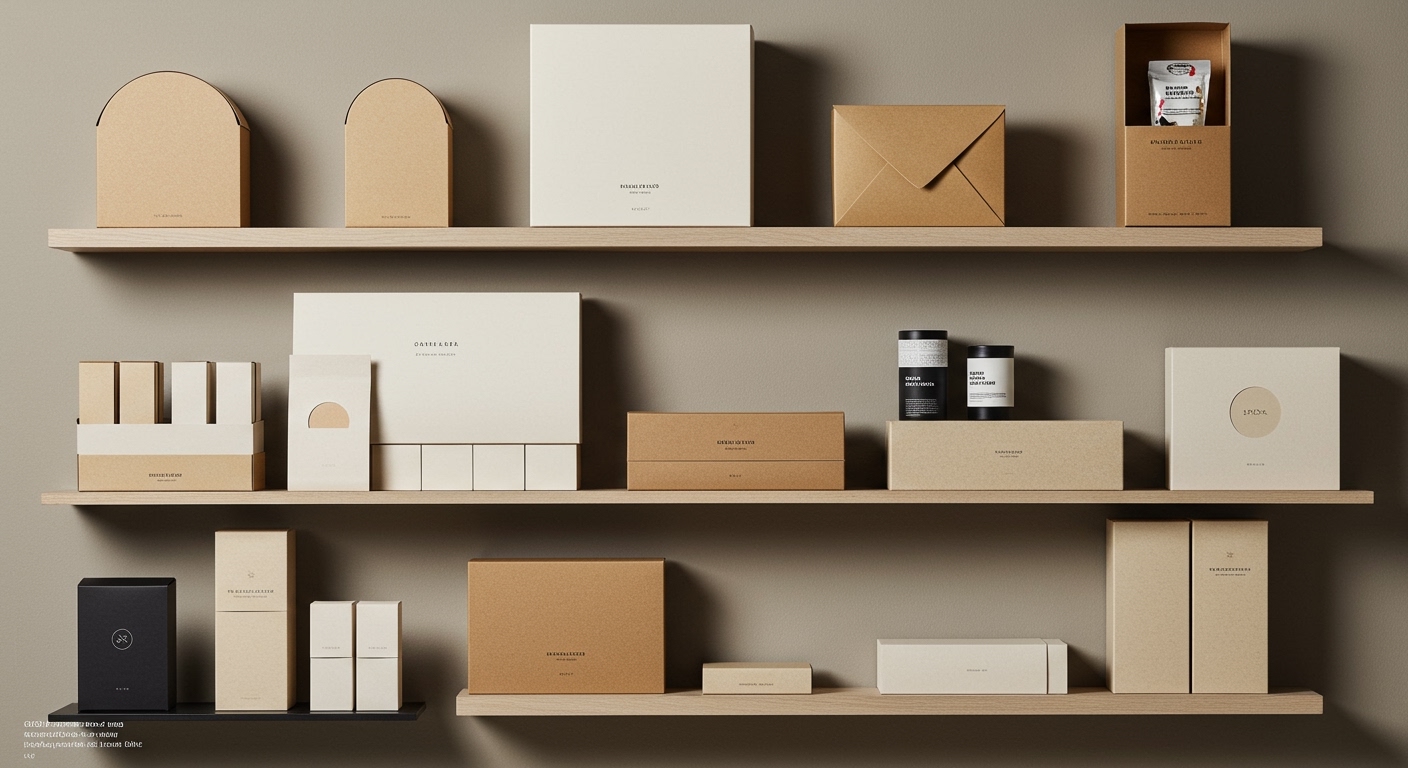
In a landscape saturated with fleeting digital notifications and ephemeral online content, the physical product and its packaging have become potent anchors for brand narrative and consumer connection. This is why the unboxing experience remains a crucial touchpoint, transforming a simple transaction into a memorable ritual. Sustainable materials are no longer a niche consideration but a fundamental expectation, shaping consumer perception and brand responsibility. Simultaneously, the retail environment, be it online or on-shelf, demands packaging that commands attention, not through ostentatious displays, but through intelligent design that resonates with a specific audience. Tactile branding, the exploration of surface textures, material weight, and form, is ascending from a supplementary detail to a core strategy, offering a silent yet powerful language of quality and intention. The news items presented offer a glimpse into this evolving ecosystem, showcasing how brands are navigating the complexities of consumer desire, environmental stewardship, and visual distinctiveness.
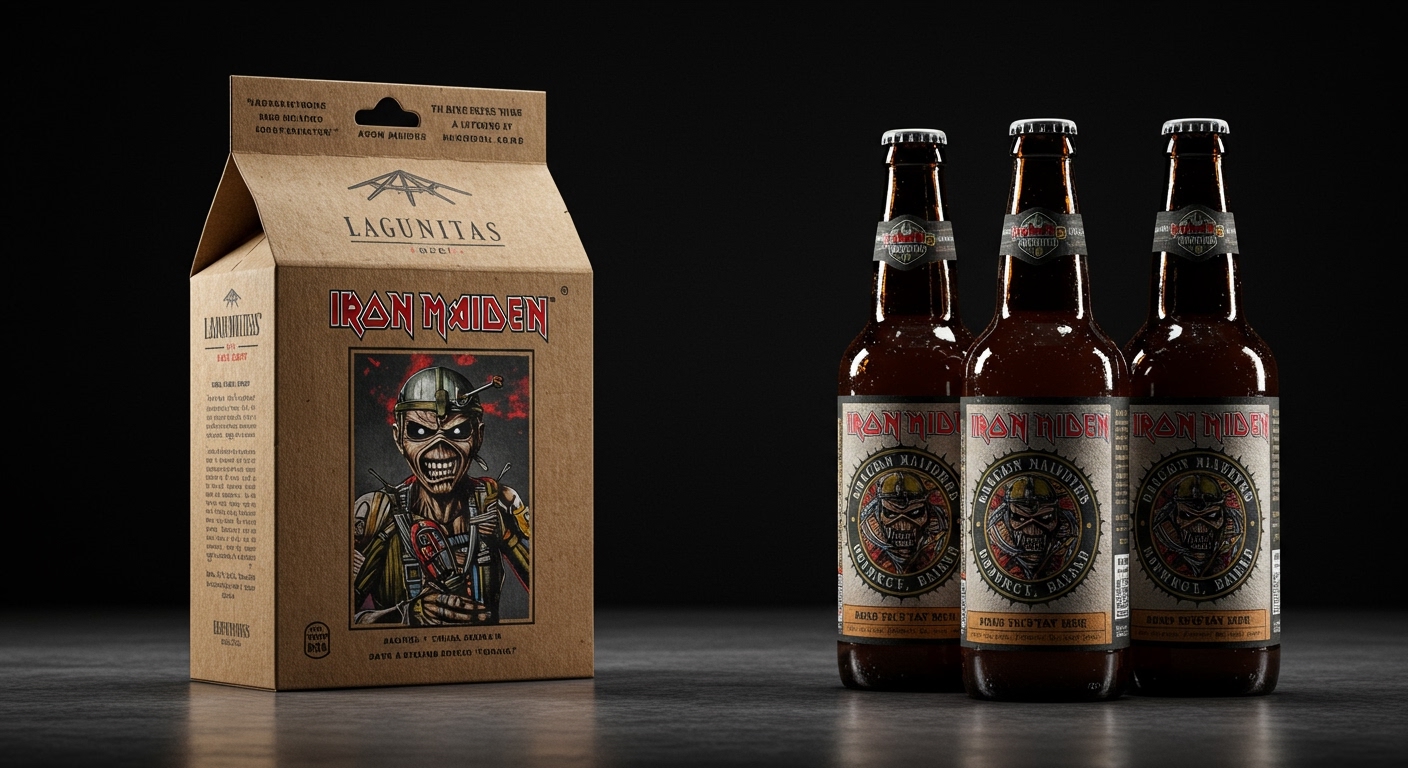
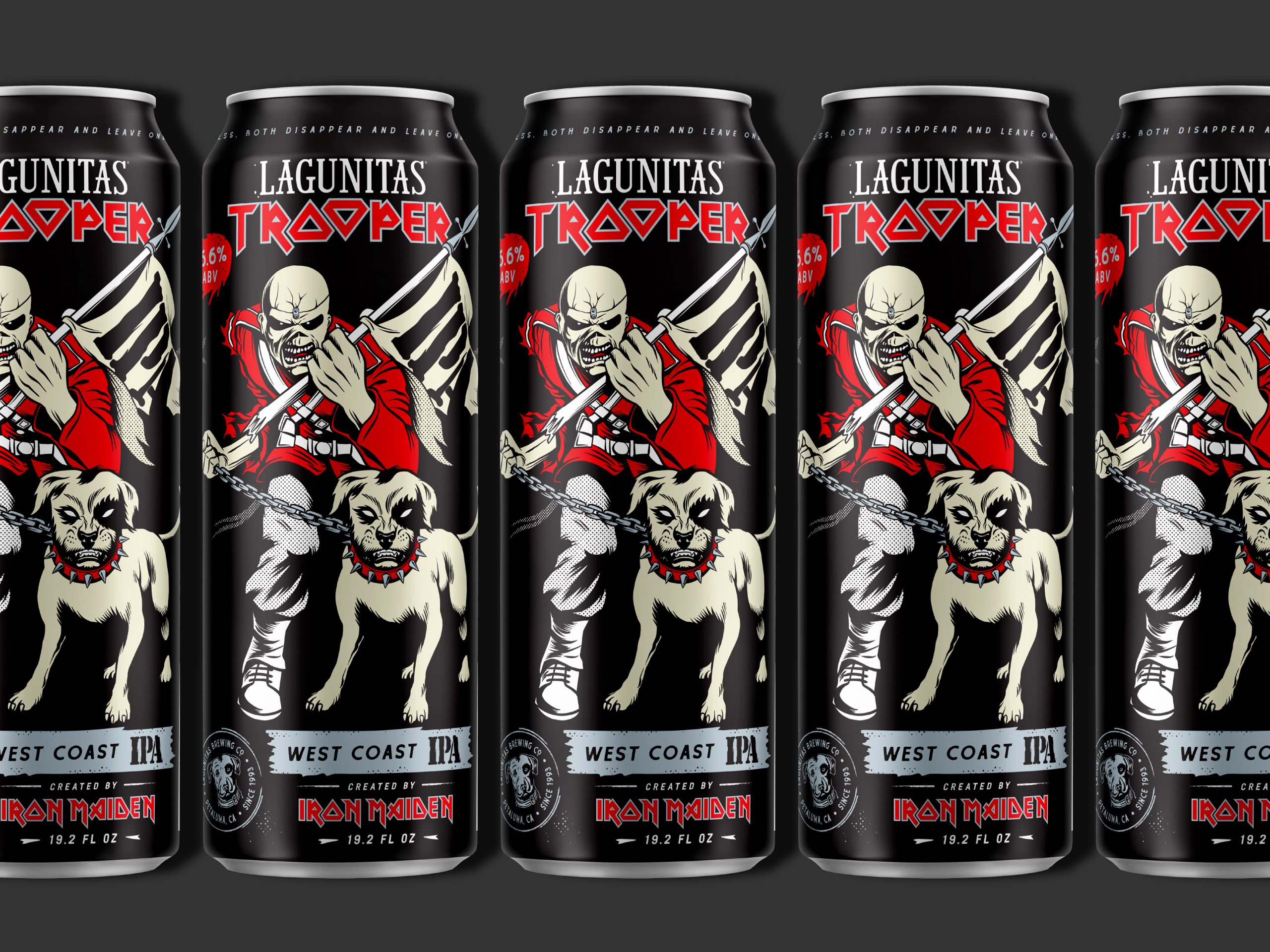
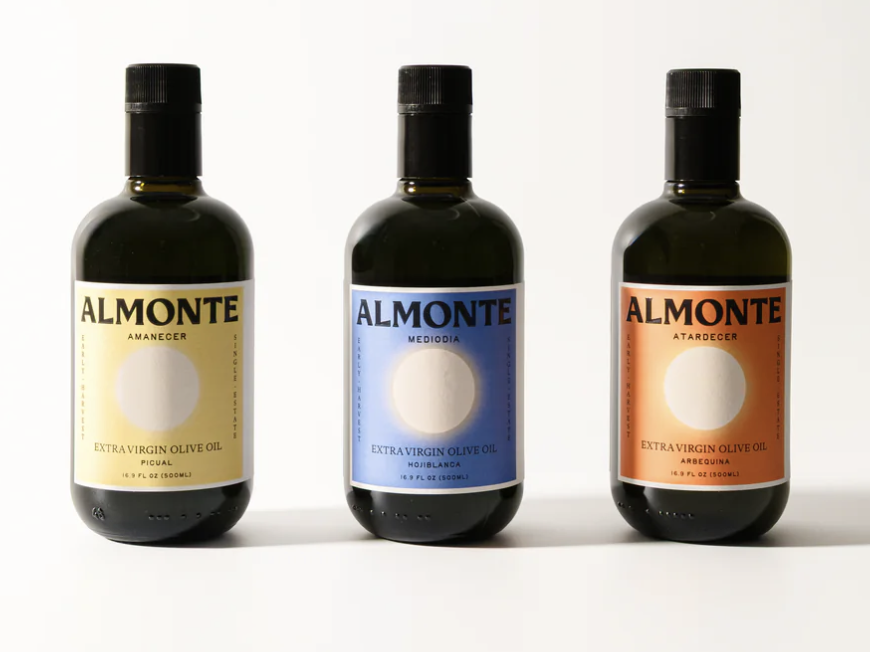
The news reveals a fascinating dichotomy in packaging strategy. On one hand, we see brands leaning into heritage and niche appeal. Lagunitas’ partnership with Iron Maiden for Trooper beer taps into a deep well of fan loyalty, suggesting that packaging can become a collectible artifact, imbued with the spirit of a cultural phenomenon. This isn’t just about containing liquid; it’s about extending a band’s narrative into the physical realm, creating a tangible piece of their legacy. Similarly, Young Jerks’ design for Eastern Gold evokes a powerful sense of place and nostalgia, deliberately crafting an aesthetic that feels authentically aged and deeply rooted in its regional identity. This retro-futurism, a deliberate play on perceived history, is a sophisticated form of tactile branding, suggesting depth and authenticity through distressed typography and folk art imagery. It’s a powerful statement that ‘new’ doesn’t always mean ‘modern,’ and that perceived age can equate to perceived quality. Conversely, Almonte Extra Virgin Olive Oil, through Prime Studio’s bold color system, argues for a modern, elevated premiumization that rejects staid conventions. Their approach maps sensorial experience to a visual language, moving beyond predictable olive motifs to a more abstract, yet evocative, representation of flavor and origin. This signals a departure from simply communicating product attributes to crafting a holistic sensory brand world.
The underlying tension in contemporary packaging design lies in the chasm between the imperative for tangible, memorable brand experiences and the urgent, undeniable need for radical sustainability. Consumers crave the delightful surprise of a well-designed box, the satisfying weight of premium materials, and the narrative depth communicated through thoughtful aesthetics. Yet, the very act of creating these experiences, from complex print finishes to multi-component structures, often generates significant waste. The drive for shelf impact and tactile engagement can inadvertently lead to packaging that is resource-intensive and difficult to recycle or compost. This is where the “reuse” symbol, championed by Epigrama, enters the conversation not just as a hopeful icon, but as a potential paradigm shift. It signifies a fundamental rethinking of the product lifecycle, moving beyond end-of-life disposal to a circular model where packaging retains value and utility. The challenge, and indeed the tension, is reconciling the desire for immediate sensory gratification with the long-term imperative for a truly regenerative packaging future.
Within the next five years, the concept of the single-use secondary packaging will largely disappear for premium consumer goods, replaced by durable, aesthetically considered vessels designed for continued use and display.
TL;DR
Packaging is evolving from disposable containers to collectible artifacts and reusable systems, demanding a harmonious blend of sensory appeal and ecological responsibility.