Julian’s Branding Insight — 2026.06.07
The most potent brand identities today are not built on static aesthetics but on dynamic narratives.
In a world saturated with consumer choice and fleeting attention spans, the strategic application of brand equity has never been more critical. This moment is defined by a profound shift: brands are no longer mere signifiers of product or service, but active participants in cultural discourse, shaping and reflecting our collective desires. Visual identity systems have evolved from stylistic veneers to sophisticated tools for storytelling, capable of conveying complex ideologies and fostering deep emotional connections. Market positioning is now less about price points and more about perceived value, authenticity, and cultural resonance. The ability of a brand’s visual language to articulate its unique cultural signal – its reason for being beyond profit – is the ultimate differentiator. This is why the meticulous reimagining of established tropes, the subtle elevation of everyday products, and the bold redefinition of institutional personas are not just design exercises, but existential necessities for brands navigating the contemporary landscape.
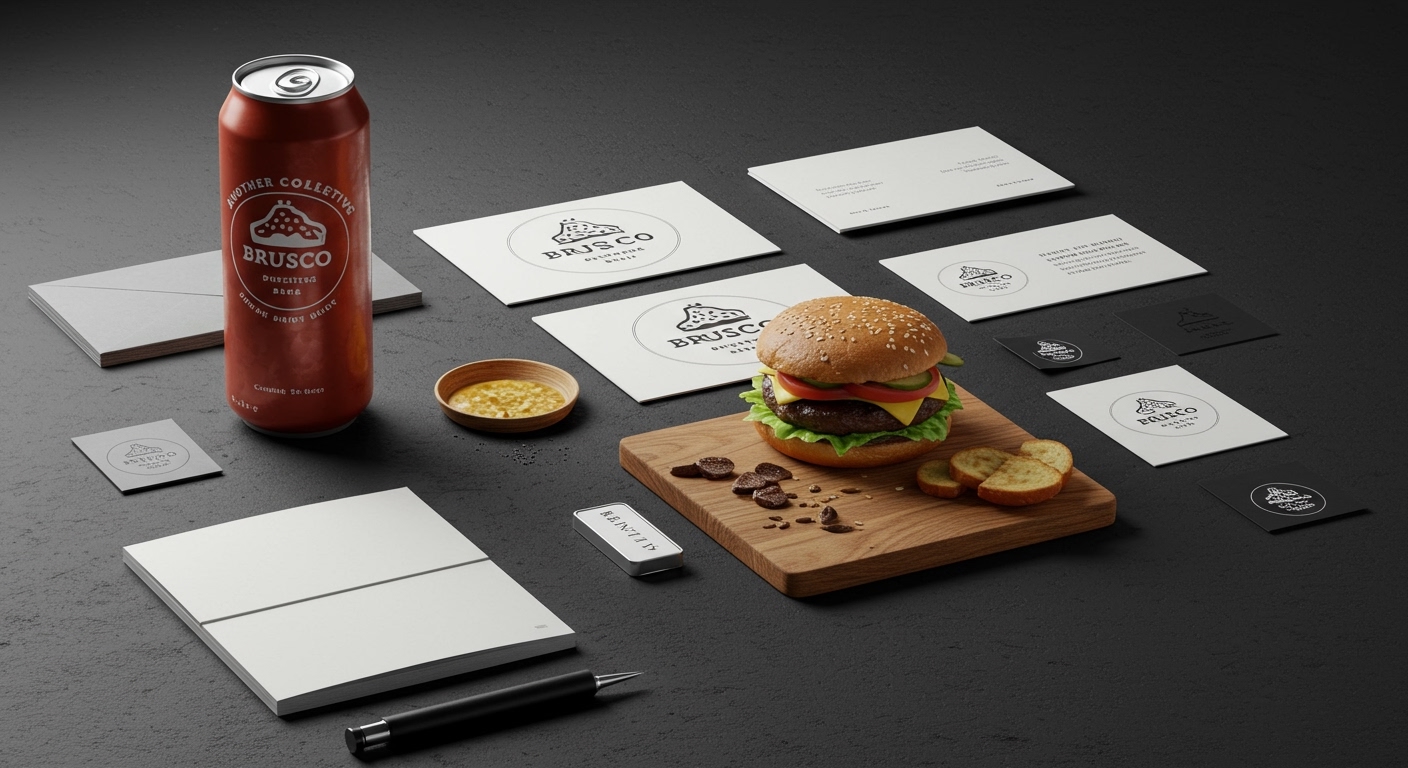
The recent wave of brand work highlights a compelling meta-trend: the deliberate subversion and reinvention of category conventions. Another Collective’s work for Brusco, a smash burger joint, sidesteps the predictable iconography of fast food, instead drawing on a nuanced understanding of diner culture and a sophisticated visual language that elevates the humble burger. This isn’t just about looking different; it’s about recalibrating expectations and communicating a superior quality and experience through design. Similarly, Studio Bland’s approach to Bu Deli butter, and Beta Design’s thoughtful packaging for Fussy’s refillable hand soap, demonstrate a keen awareness of how packaging can either facilitate or obstruct a desired consumer interaction. Cain’s observations on Fussy, particularly the idea of “friction kills fantasy,” underscore a crucial point: intuitive and frictionless user experiences are paramount, especially when promoting sustainable practices. This thoughtful consideration extends to larger cultural institutions. Koto’s revitalisation of The Norton Museum of Art’s identity moves beyond mere visual updates, aiming to embed the institution more deeply into the fabric of everyday life, aligning its brand with its founding principle.
This synthesis reveals a departure from superficial rebranding. The work of OlssønBarbieri for Theaterbaren, the identity for a theatre bar, eschews expected notions of minimalist or overtly dramatic theatre design, instead embracing a “melodrama-infused” aesthetic. This is a deliberate choice to engage with the specific cultural context and emotional resonance of the venue, signalling a sophisticated understanding of how brands can inhabit and enrich their environments. These projects collectively demonstrate a mature approach to branding, where a deep dive into cultural context, user behaviour, and the inherent narrative of a brand’s purpose drives the strategic and creative output. The focus is on creating an authentic and resonant experience, not just a memorable logo.
The tension lies between the pursuit of frictionless consumer experiences and the deliberate introduction of thoughtful friction to encourage reflection and behavioral change. For brands like Fussy, the packaging is designed to be effortless to use and refill, removing barriers to adoption. Yet, the very act of refilling, the tangible interaction with a sustainable system, introduces a moment of conscious engagement, a subtle friction that prompts the consumer to consider their environmental impact. Conversely, brands seeking to disrupt established categories, like Brusco and Theaterbaren, leverage friction in a different way – by challenging preconceived notions and visual expectations, they create a momentary pause for the consumer, an opportunity to question, engage, and ultimately appreciate the redefinition. This paradox highlights how friction, when strategically deployed, can be a powerful tool for building deeper brand loyalty and communicating values.
Looking ahead, the brands that will command the most significant cultural capital will be those that seamlessly integrate tangible product experience with intangible narrative reinforcement, creating a virtuous cycle where physical interaction fuels emotional connection and vice-versa.
TL;DR
Brands are winning by rethinking category codes, making experiences intuitive, and embedding meaningful narratives into every touchpoint.