JHDD Branding Report — 2026.09.07
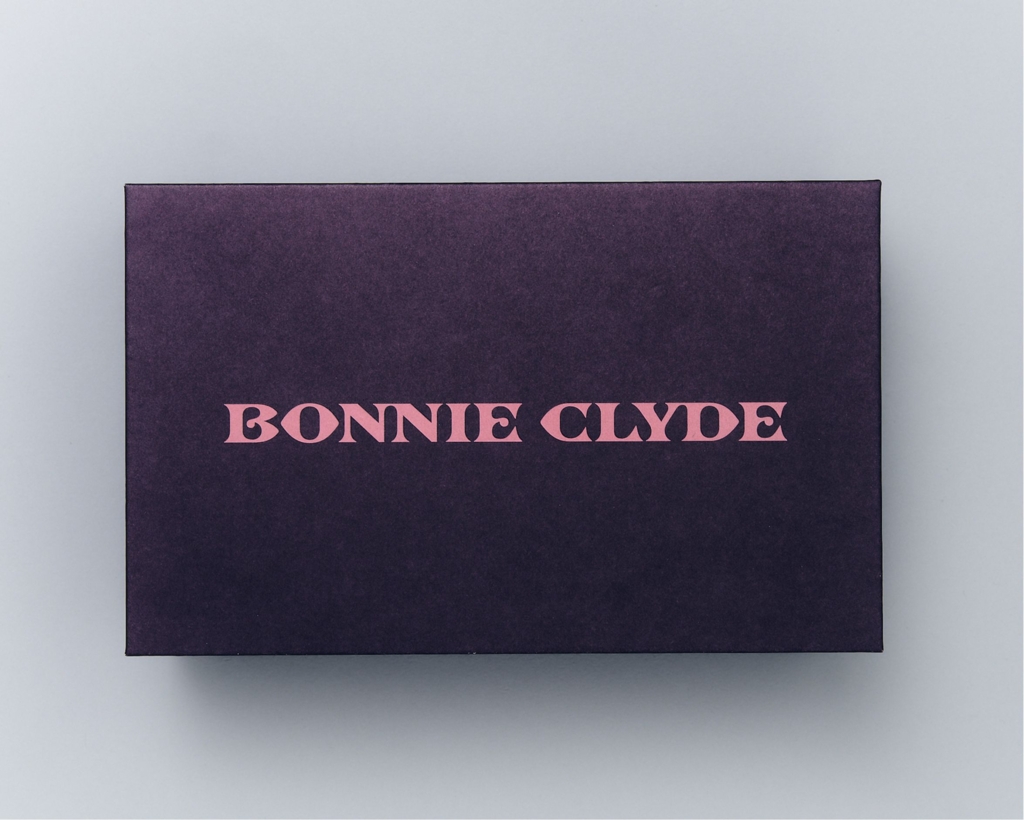
Mouthwash Studio’s identity for eyewear brand Bonnie Clyde features an aesthetic described as both “antiquey” and incorporating “hearts and dusky pink.”
This blend of seemingly disparate visual signals, visible across recent design projects, indicates a shift in strategic priorities. Brands are moving away from identities built solely on immediate legibility and singular cohesion, which traditionally aimed for universal, instant recognition. Instead, they increasingly deploy layered or even contradictory elements to carve out unique market positions and resonate with specific cultural signals. This approach directly challenges the long-held industry belief that brand recognition and equity thrive only on simplicity and universal consistency.
The identity for Bonnie Clyde, by Mouthwash Studio, exemplifies this departure. Its description as “confusing” and “historically inaccurate,” far from being a weakness, actually contributes to its distinctiveness and strengthens its brand equity. Mainstream industry opinion often dictates that a brand’s visual identity must be instantly comprehensible and historically precise to build trust and broad appeal. This perspective, however, overlooks the power of deliberate ambiguity and curated anachronism in attracting discerning audiences. For certain demographics, an identity that demands closer inspection, offers a stylistic puzzle, or juxtaposes “antiquey” aesthetics with “hearts and dusky pink” is more engaging than one that provides immediate, spoon-fed meaning. This complex approach acts as a cultural filter, attracting those who appreciate nuance and signaling a brand confident enough to defy conventional aesthetic coherence, thus enhancing its perceived value within a specific subculture.
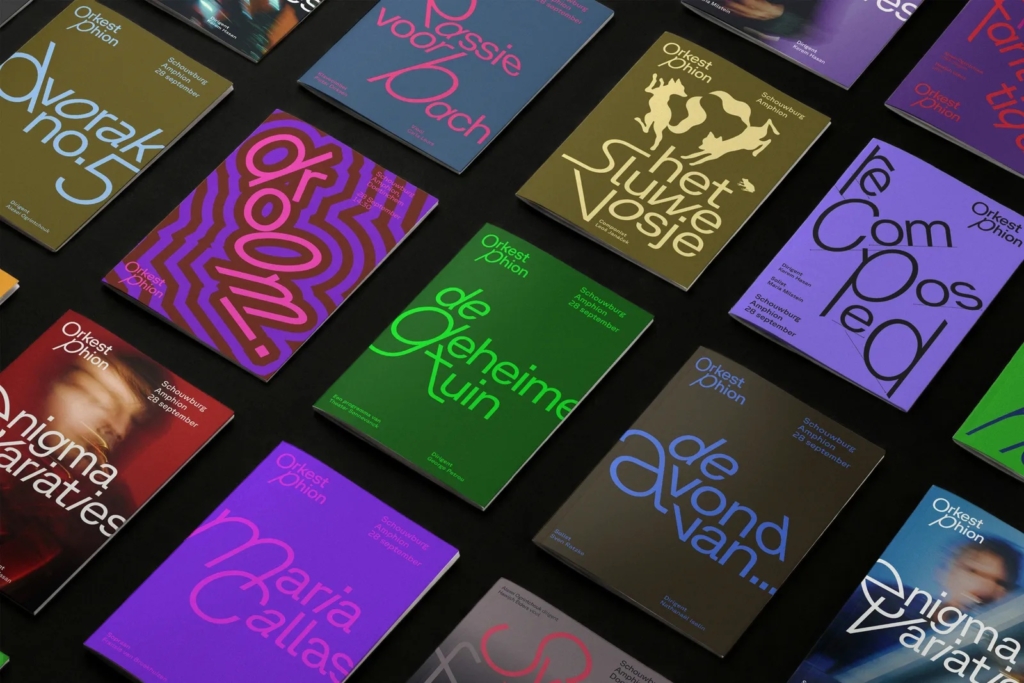
This strategy is not about random eclecticism but about controlled dissonance, a visual language that implies a deeper narrative or a more discerning audience. The dynamic identity created by Thonik for Orkest Phion, which adapts to its “ever-changing and itinerant programme,” operates on a similar principle of fluidity over fixedness, though through modularity rather than anachronism. As brands mature in their understanding of niche cultural codes and the limitations of broad-stroke appeal, it is plausible that within two years, more large-scale brands will begin experimenting with identity systems that openly embrace internal contradictions or constant flux. These systems will use such elements as catalysts for engagement, rather than aiming for seamless, unchallenging integration, fundamentally redefining expectations for visual identity systems and brand equity.
The primary resistance to this evolving approach comes from established corporate identity guidelines and many traditional marketing frameworks. These frameworks, often rooted in mass-market appeal and quantifiable immediate recall, push for a reductive clarity that simplifies brand messaging into universally understood terms. This opposition frequently manifests in internal brand committees or client-side stakeholders who prioritize risk aversion, broad demographic acceptance, and straightforward communication over precise, culturally specific differentiation that might initially appear less clear.
Branding professionals should shift their analytical framework from evaluating identities solely on clarity, consistency, and immediate historical accuracy to assessing their capacity for deliberate complexity and nuanced cultural coding. This week, identify a client brief where apparent visual or historical contradictions could be strategically deployed to generate deeper engagement with a specific target audience, rather than immediately seeking to smooth them out or simplify them for perceived universal appeal.
TL;DR
Brands are leveraging complex and historically dissonant visual identities to build deeper equity and cultural resonance by challenging conventional clarity.
Curated References



About this editorial — This piece was developed using AI-assisted research and curation across multiple industry sources. All analysis, opinions, and predictions represent the editorial perspective of JHDD. Sources are linked in the references section above.