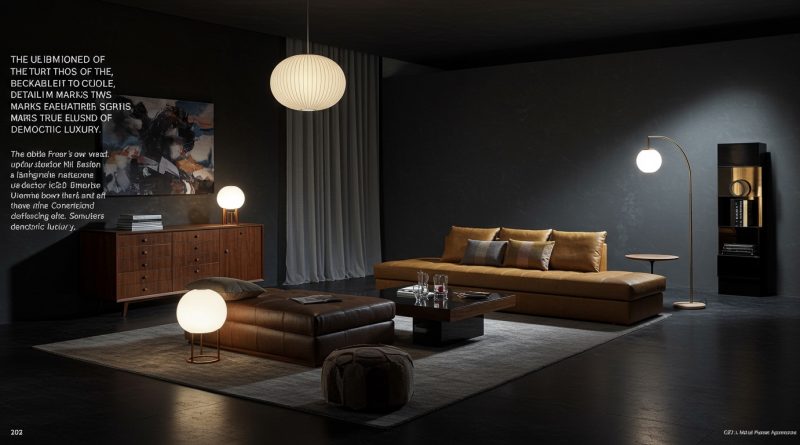
JHDD Interior Report — 2026.06.07
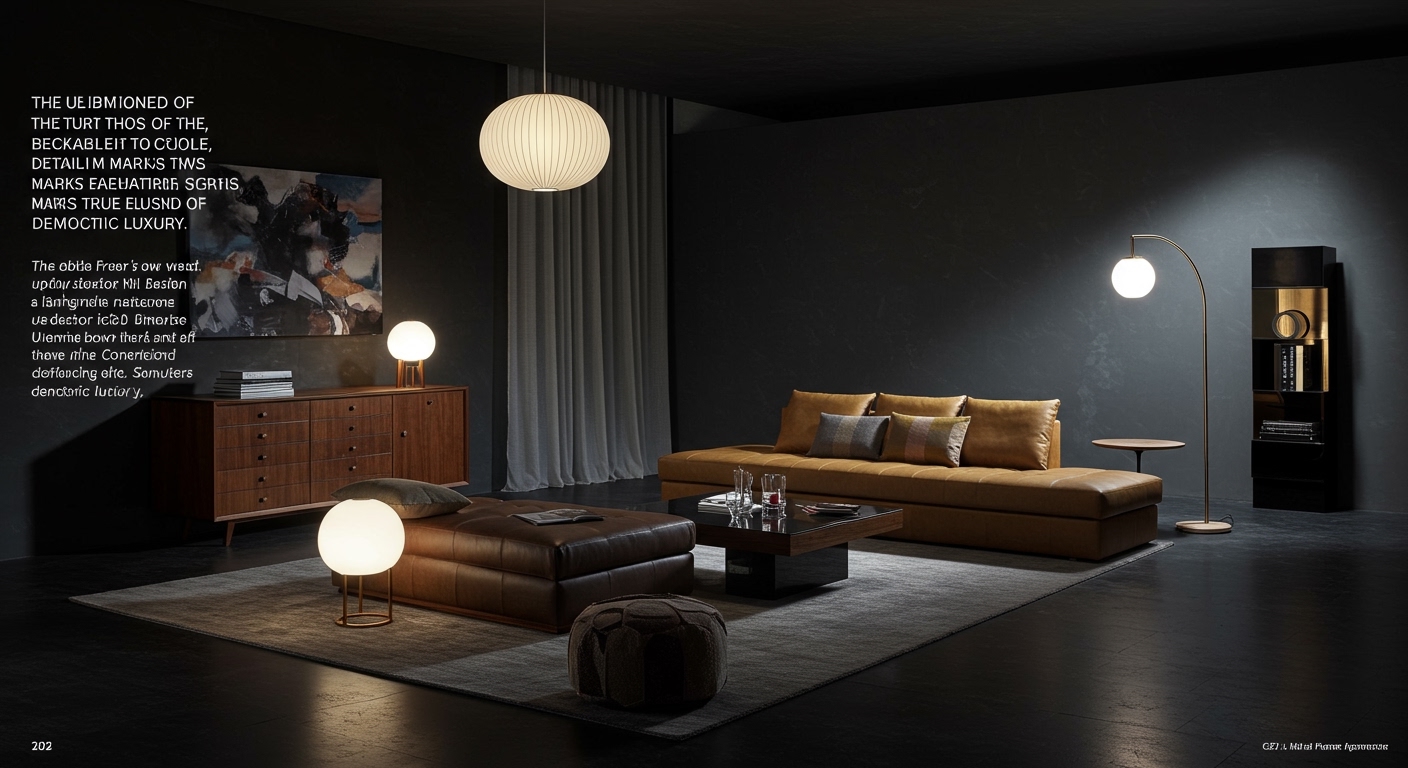
The ubiquity of the bespoke, tactile detail marks the true maturation of democratic luxury.
A connective tissue, subtle yet undeniable, weaves through recent projects, pointing not merely towards nostalgic revivals or material experimentation, but towards a profound recalibration of how human presence is experienced within built environments. This isn’t simply about aesthetics; it’s about the conscious orchestration of sensory input to foster a sense of grounding and intimacy in an increasingly fragmented world. The trend is a direct response to the pervasive, disembodied digital realm, a counter-current seeking to reassert the primacy of the physical. It’s the emergence of “Embodied Luminosity” – the intentional design of spaces that leverage materiality and spatial tension to create a palpable, almost visceral, sense of being present and cared for.
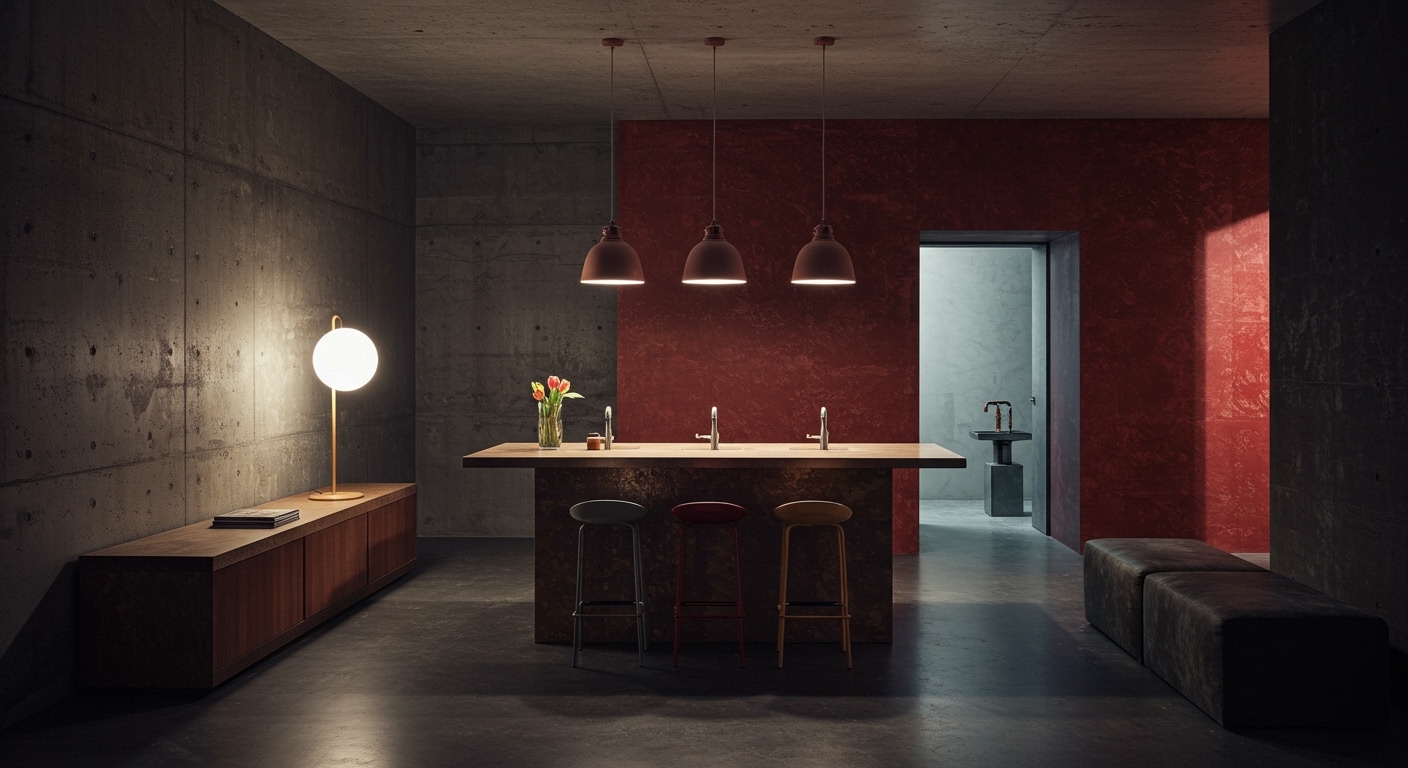
Beneath the surface, the industry is moving beyond the superficial application of luxurious finishes to a deeper interrogation of how materials communicate warmth, history, and intentionality. Consider the work of Studio Formafantasma. Their ongoing exploration of materiality, particularly their recent investigations into biomaterials and traditional craft techniques, exemplifies this shift. They are not just using natural elements; they are uncovering the inherent narratives within them. This contradicts the prevailing industry whisper that prioritizes ever-sleeker, technologically integrated surfaces. While such advancements have their place, the true innovation lies in the thoughtful reintroduction of the imperfect, the artisanal, and the profoundly touchable. The emphasis on rough-hewn stone, patinated metals, and hand-finished textiles speaks to a desire for authenticity that mass-produced perfection cannot satisfy. We can expect this drive towards deeply textured, resonant materiality to solidify its hold, becoming a defining characteristic of aspirational interiors by late 2025.
The friction arises from the inertia of a design culture still largely beholden to the sterile, the predictable, and the easily reproducible. There is a significant segment of the market and the profession that remains invested in the illusion of effortless polish – the seamless integration of technology, the unblemished surface, the curated neutrality that avoids any challenging tactile or visual statement. This resistance is understandable; it’s the path of least resistance, the comfort of the familiar. However, this very friction highlights the growing chasm between a design that merely decorates and one that truly enriches the human experience. The tension between the desire for effortless, digitally-enhanced perfection and the yearning for genuine, tactile connection is where the most interesting design conversations are now taking place.
A working Interior professional can do differently this week by actively seeking out and specifying materials with inherent tactile interest and demonstrable provenance. It means looking beyond the catalogue image and engaging with the physical sample, not just for its color, but for its weight, its grain, its temperature, and the way light plays across its surface. It’s about asking questions about the artisan’s process, the source of the raw material, and the story it carries.
The increasing demand for embodied luminosity will drive a renewed appreciation for meticulously crafted, materially honest spaces that offer a profound sense of tactile presence.
Curated References


About this editorial — This piece was developed using AI-assisted research and curation across multiple industry sources. All analysis, opinions, and predictions represent the editorial perspective of JHDD. Sources are linked in the references section above.