JHDD Packaging Report — 2026.09.02
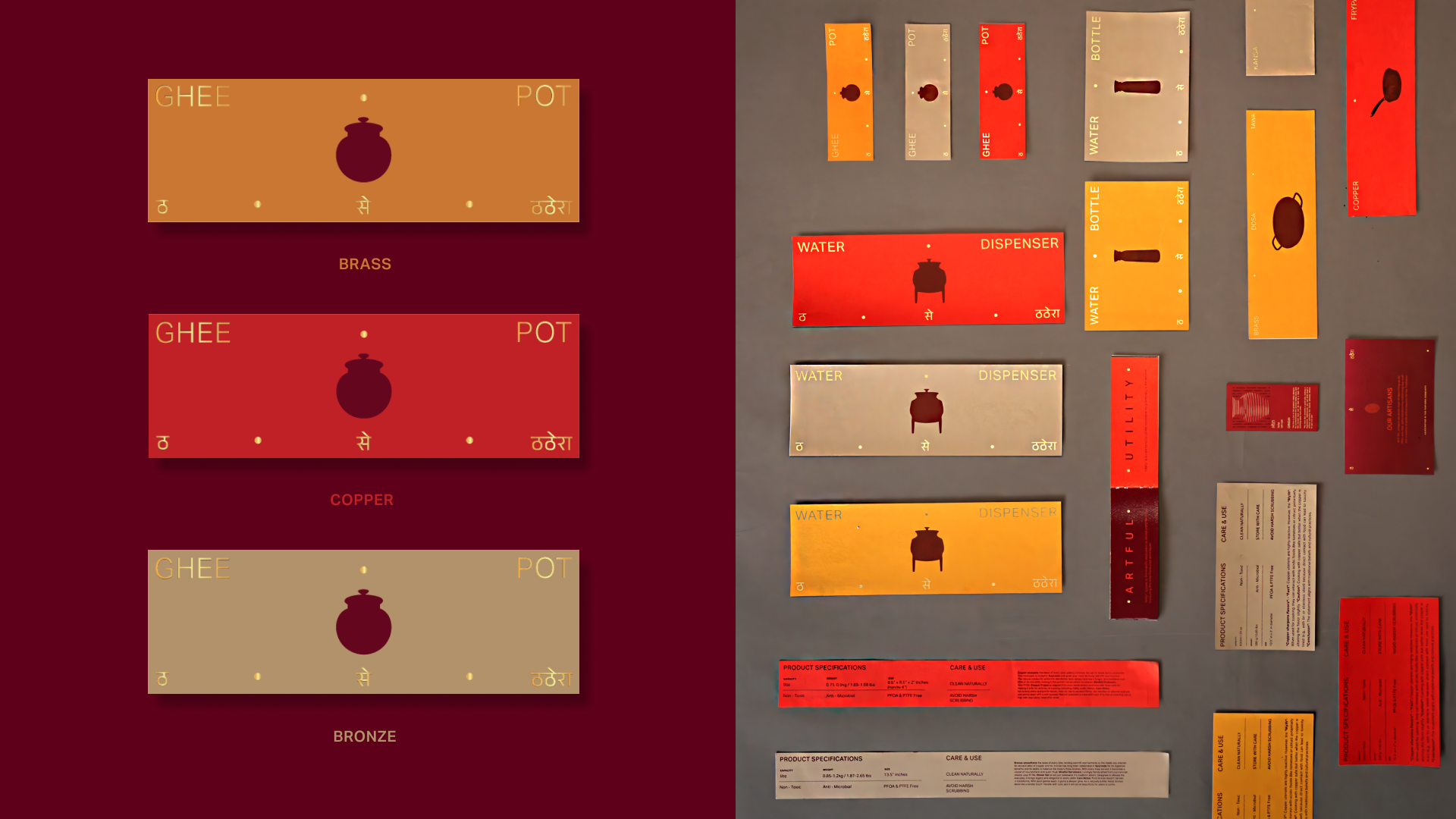
Mother Tongue Design brought centuries-old Indian metalworking into the modern kitchen for P•TAL using packaging rich with material inspired color.
This specific detail, repeated across recent packaging efforts, illustrates a pattern: brands are prioritizing deep cultural resonance and multi-sensory engagement over superficial aesthetics or generic sustainability claims. Designers are moving beyond simple product containment to craft experiences that connect profoundly with consumer identity and lifestyle, whether through heritage, aspiration, or immediate sensory appeal. This approach uses texture, finish, and form to build a tangible narrative that extends brand reach.
Flama Design House’s “new retro” approach for Vitruvius Pink Yuzu sparkling water, leveraging custom display typography and dynamic matte-gloss finishes, demonstrates how brands are moving past mere visual appeal into deeply tactile and immersive branding. This challenges the conventional wisdom that sustainable packaging must inherently be stripped down or uniform in its aesthetic to be effective. While minimalist approaches often reduce material complexity, they frequently fail to forge a memorable, sensory connection with consumers. The result can be packaging that is technically “sustainable” in its composition but quickly forgotten, leading to reduced brand loyalty and potentially higher consumption rates if products lack distinctiveness. A package that truly resonates through its specific finishes and structural nuances can extend a product’s perceived value and lifecycle in the consumer’s mind, making it less disposable.
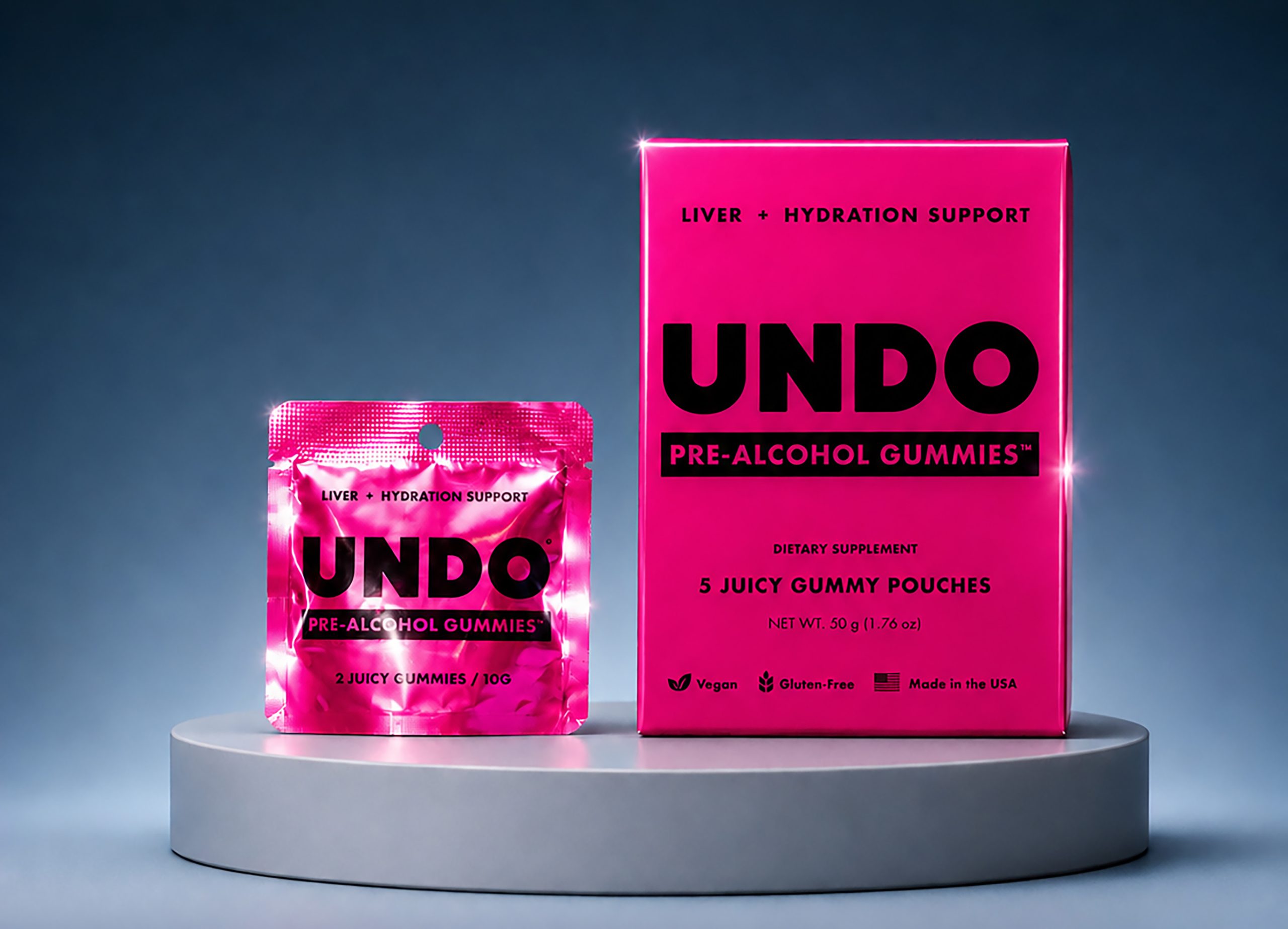
The argument for material reduction often overlooks the critical role of packaging in communicating brand narrative and creating an emotional bond, which in itself can be a powerful driver of sustainable consumption patterns. Consumers are increasingly discerning; they seek products whose packaging tells a rich story, provides a satisfying unboxing experience, and aligns with their personal values, even if it means a slightly more complex material profile. The tangible quality and detailed design of packaging, like the pocket-sized pouches for UNDO’s pre-alcohol gummies or the craft-driven graphics of P•TAL, elevate the product beyond its function. It fosters appreciation, leading to less casual discard. By mid-2028, packaging professionals will observe a significant increase in bespoke, multi-finish applications on mainstream products, moving past the perception that such techniques are reserved solely for luxury segments. This shift will be driven by consumer demand for authenticity and an enhanced sensory experience.
The primary resistance to this trend emanates from the established supply chain infrastructure, which often prioritizes economies of scale and standardized processes. Procurement departments, fixated on unit cost efficiencies, frequently resist the bespoke tooling, specialized material finishes, or limited-run production required for truly distinctive tactile branding. Furthermore, a lingering misconception within some marketing circles views sustainable design primarily as a cost-cutting exercise rather than a value-adding opportunity for brand differentiation and consumer engagement.
A working packaging professional should this week identify one existing product line where the unboxing experience currently feels generic or uninspired. Instead of immediately seeking new, exotic materials, investigate existing material suppliers for underutilized print finishes, embossing options, or subtle structural variations that can be implemented without radical material changes or significant supply chain disruption. The focus should be on how these accessible enhancements can communicate the brand’s unique story or cultural roots, elevating the consumer’s sensory interaction and strengthening brand affinity from the first touch.
TL;DR
Packaging must communicate deep brand identity through specific sensory details to create lasting consumer connections.
Curated References

About this editorial — This piece was developed using AI-assisted research and curation across multiple industry sources. All analysis, opinions, and predictions represent the editorial perspective of JHDD. Sources are linked in the references section above.