JHDD Packaging Report — 2026.08.28
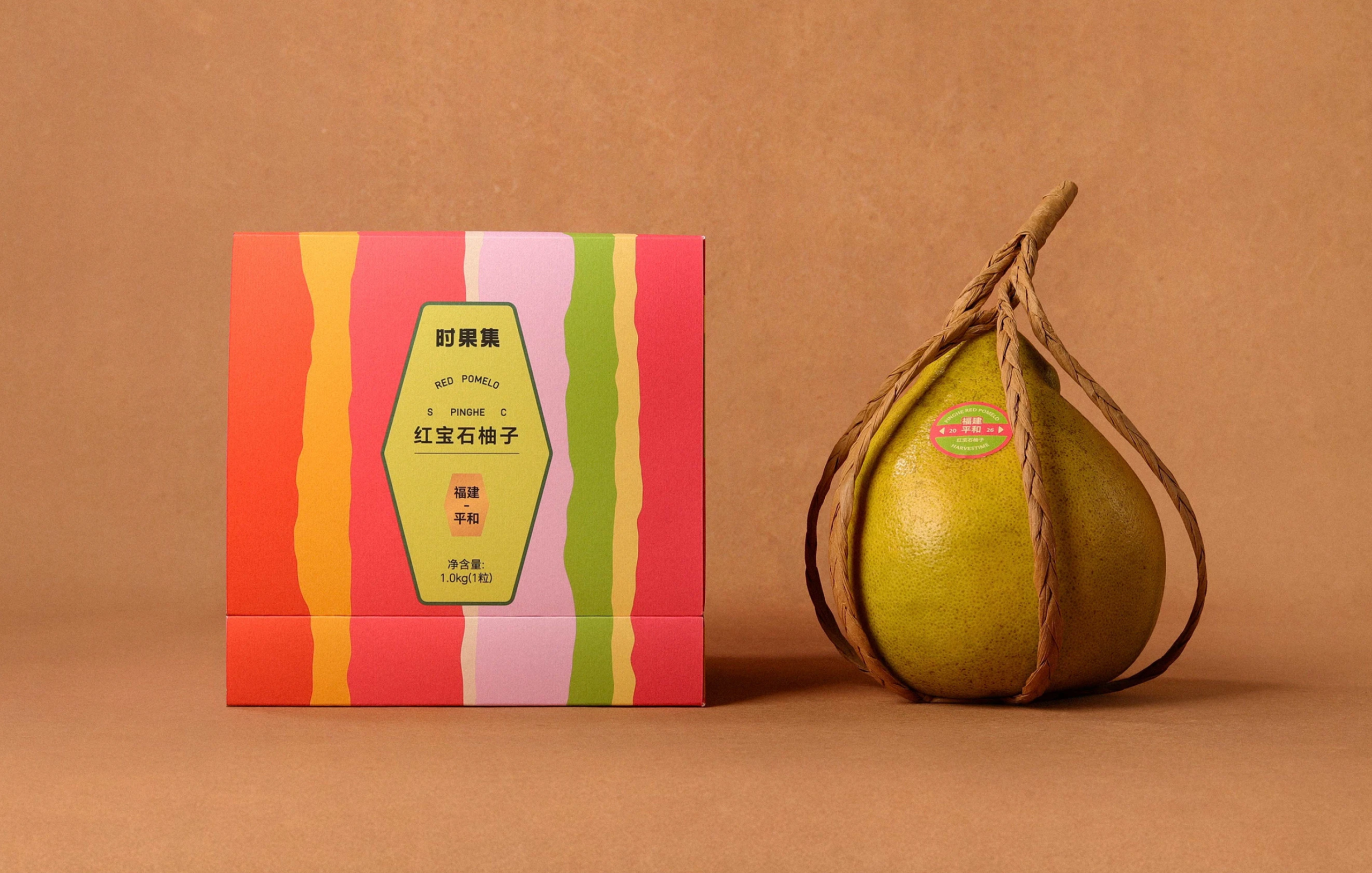
Fungo Design’s Harvestime packaging uses wavy vertical bands, borrowing from soil and regional landscapes, to depict seasonality for premium fruit gifting. This concrete detail points to a larger trend.
Across the packaging design landscape, from premium fruit to RTD cocktails, a clear pattern is emerging where brands are using distinctive, often expressive, graphic design as the primary vehicle for differentiation and immediate brand connection. This goes beyond mere aesthetics; it is about building a specific brand personality through visual and implied tactile language that prioritizes character over traditional polished perfection.
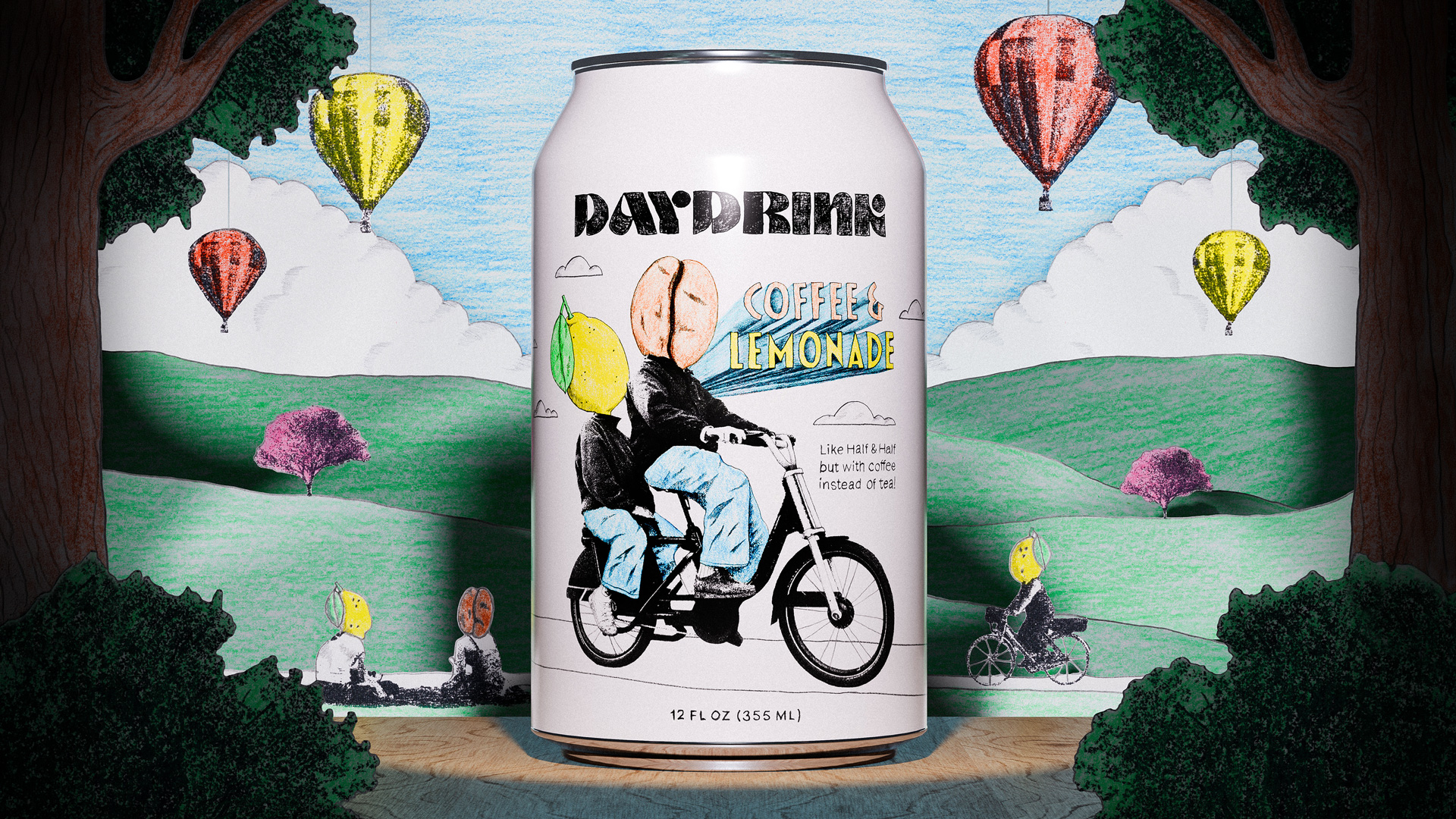
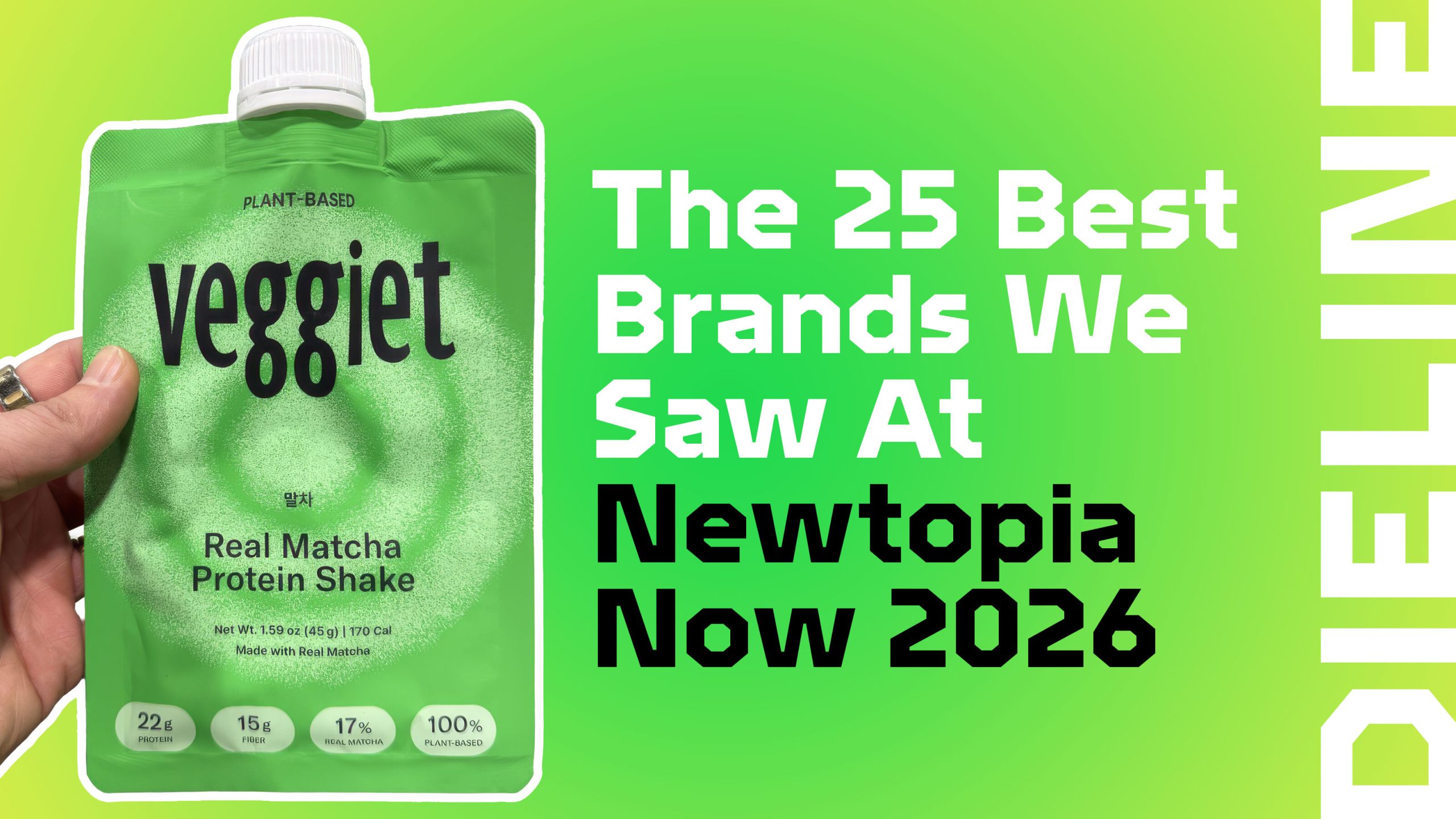
Daydrink Coffee Lemonade, with its hand-drawn typography and surreal illustrations, exemplifies this shift. The prevalent industry opinion often dictates that sustainable packaging must lean into minimalist aesthetics to signal its eco-credentials, favoring unadorned, often kraft-like, substrates with minimal printing. However, this view overlooks a critical development. Data from Newtopia Now 2026 reveals that emerging brands are not deferring design budgets; they are actively leading with bold, highly graphic expressions. This contradicts the notion that intricate design inherently increases material use or prevents sustainable choices. Instead, powerful graphic identity can elevate simpler, more sustainable materials, allowing them to carry premium or unique brand messaging without needing complex finishes or multi-material constructions.
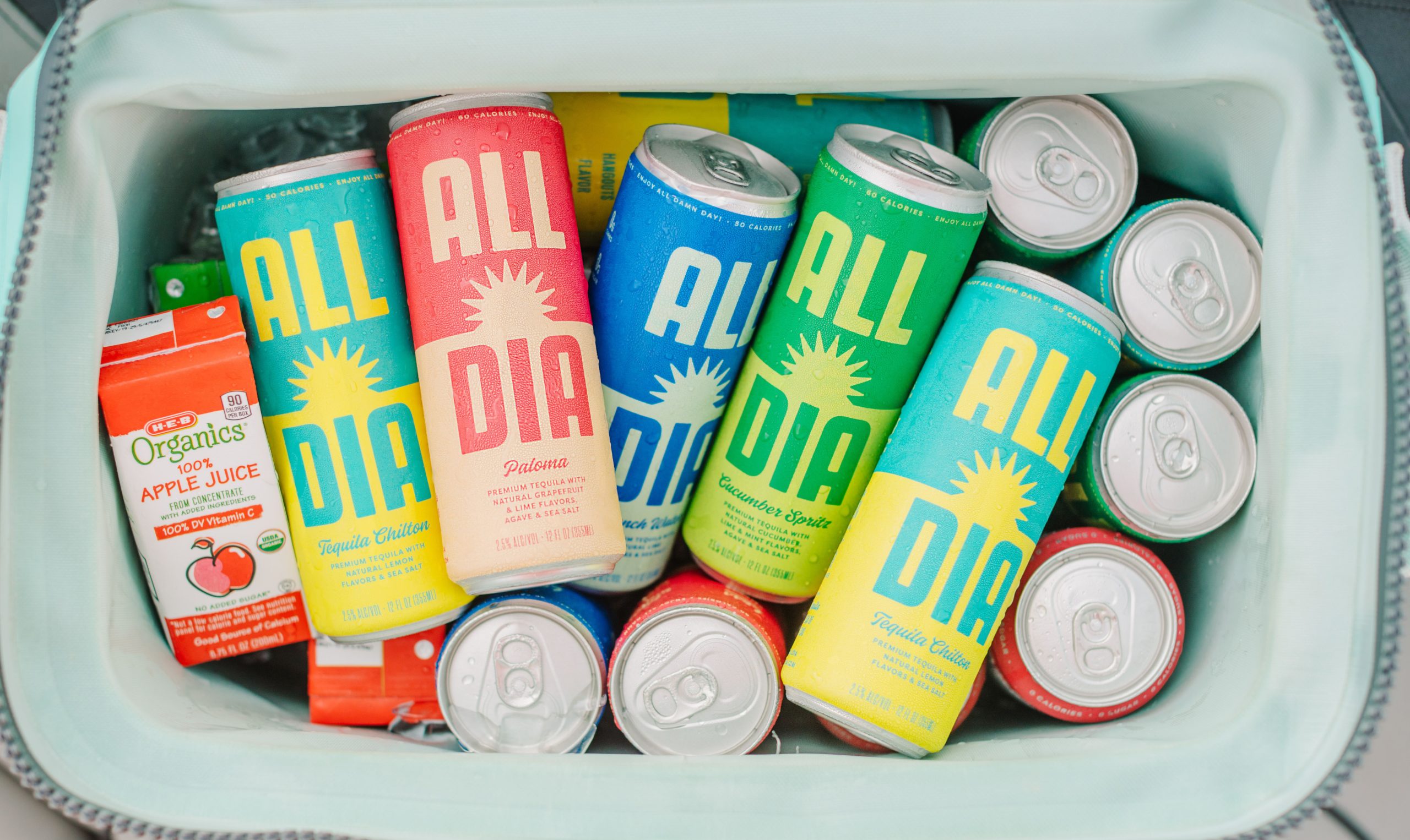
The focus shifts to how the design itself — its graphic and implied tactile qualities — forms the core of the unboxing experience and shelf impact. A brand like All Día, for its RTD cocktail line, stands out through clear, distinctive visual branding, suggesting that robust graphic identity is becoming more critical than ever on shelves and in consumers’ hands. This approach suggests that by prioritizing a strong, memorable visual narrative, brands can simplify their material footprint. The expressive graphics effectively communicate value and uniqueness, enabling the use of mono-material solutions or recycled content without perceived compromise. By mid-2028, a significant number of large CPG entities will start to integrate more illustrative and less photorealistic graphic styles into their core product lines, allowing for greater flexibility with evolving sustainable substrate technologies.
This push towards expressive, graphic-led packaging is met by the resistance of entrenched legacy manufacturing processes. Existing print infrastructure often favors smooth, uniform surfaces and high-gloss finishes, making the adoption of textured, recycled, or pulp-based substrates that benefit from simplified, graphic-heavy designs a challenge. The financial inertia in retooling production lines and recalibrating quality control standards for these new material-design pairings often slows innovation, pushing designers to conform to existing capabilities rather than lead the charge.
A working packaging professional should conduct an immediate audit of existing brand guidelines and design assets. This audit should focus on how current visual identities translate onto lower-fidelity print surfaces, such as those found on recycled content or pulp-molded packaging. Experimentation should explore how to achieve brand distinctiveness through simplified color palettes, bold graphic forms, and implied tactile textures conveyed through illustration, rather than relying on complex coatings or multi-material constructions. This prepares for a future where substrate choice is driven by sustainability, and visual impact is delivered by the graphic story.
TL;DR
Expressive, graphic-led packaging is becoming a primary driver for both shelf impact and material sustainability.
Curated References
About this editorial — This piece was developed using AI-assisted research and curation across multiple industry sources. All analysis, opinions, and predictions represent the editorial perspective of JHDD. Sources are linked in the references section above.