JHDD Interior Report — 2026.08.24
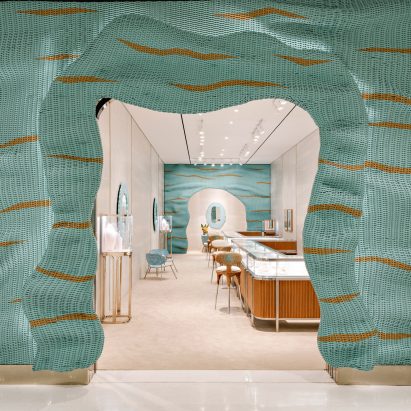
Estúdio Campana wrapped a Tiffany & Co pop-up store in São Paulo with an undulating woven wicker skin.
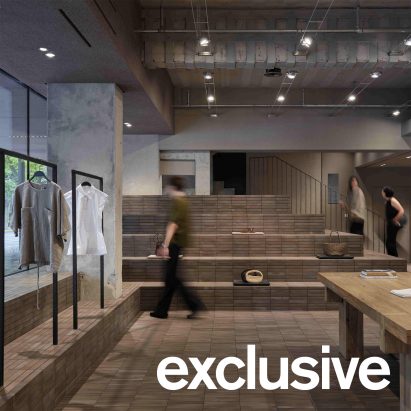
This temporary installation, alongside KTGY’s detailed refresh of the Fairmont Hotel in Chicago and AIM Architecture’s brick podium for Zara in Shanghai, reveals a distinct movement. It is a shift where the immediate, tactile quality of materials and the nuanced control of human flow are prioritized over grand architectural statements or form-first design. These projects demonstrate an intelligent integration of texture, light, and circulation, often within existing commercial frameworks.
Estúdio Campana’s decision to define the Tiffany & Co space with a woven wicker skin offers a powerful lesson in materiality. The “undulating facade” creates an immediate, haptic invitation, challenging the glossy, often sterile perception of luxury retail. This design choice provides more than decoration; it actively builds spatial tension through its organic form and inherent texture, providing a softer, more humanistic interaction point than many contemporary commercial interventions.
The widespread embrace of what is termed “dopamine decor” represents a misdirection in spatial design. While mainstream commentary suggests that candy colors and fuzzy textures equate to positive emotional states, genuine spatial comfort and engagement stem from a sophisticated orchestration of materials and human flow, not superficial visual cues. True luxury design understands that sensory richness is cultivated through nuanced texture and light, rather than overtly “whimsical” furnishings that can quickly fatigue. By early 2028, clients will increasingly demand spaces that offer deep sensory calm and enduring material integrity, signaling a market recalibration away from transient visual stimulants.
This shift faces direct resistance from the pervasive influence of social media platforms and marketing engines. These entities often distill complex design concepts into easily consumable, visually striking trends that emphasize novelty and immediate gratification, rather than the enduring value of considered materiality or ergonomic flow. They promote a culture of rapid consumption that often undermines thoughtful, sustainable design.
A working interior professional should dedicate time this week to identifying at least one local, natural material or artisanal technique in their current project’s region. The exercise is to explore how this local element could be integrated as a primary spatial definer, affecting tactile quality and human interaction, rather than simply applied as a decorative finish.
TL;DR
Design intelligence prioritizes authentic materiality and spatial flow over superficial trends.
Curated References



About this editorial — This piece was developed using AI-assisted research and curation across multiple industry sources. All analysis, opinions, and predictions represent the editorial perspective of JHDD. Sources are linked in the references section above.