JHDD Packaging Report — 2026.08.23
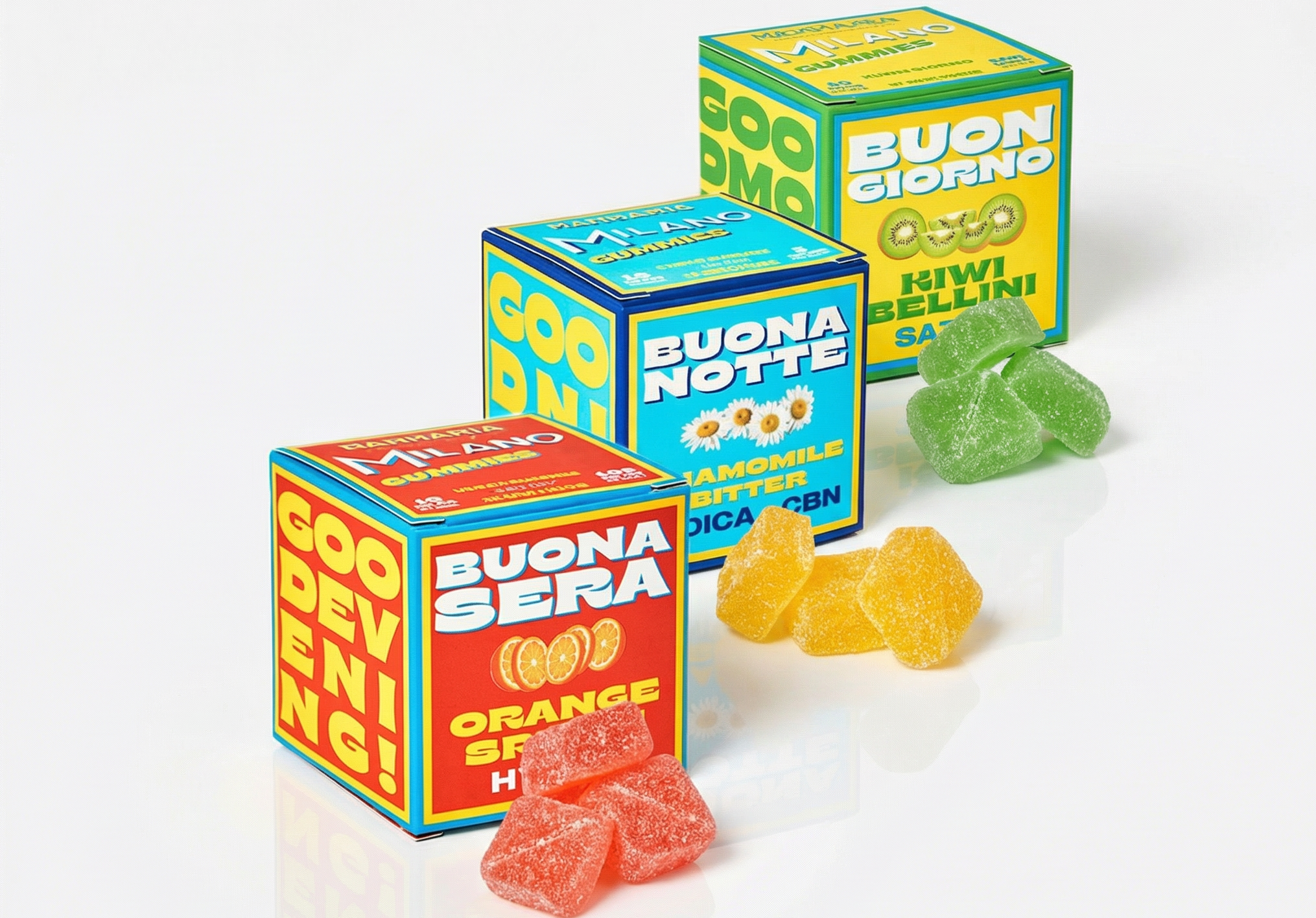
Mammamia’s 1980s Milanese typography for its THC gummies demonstrates a growing trend: packaging as a deeply immersive narrative device.
The recent shifts seen across diverse categories, from edibles to decaf coffee and cake decorating supplies, reveal a consistent pattern. Brands are moving beyond simple product differentiation towards creating rich, specific worlds for their offerings. This is not about surface-level aesthetics but about weaving historical, cultural, or genre-specific narratives directly into the packaging’s visual and tactile fabric. The objective is to forge a profound emotional connection and elevate the unboxing experience from discovery to a transportive journey.
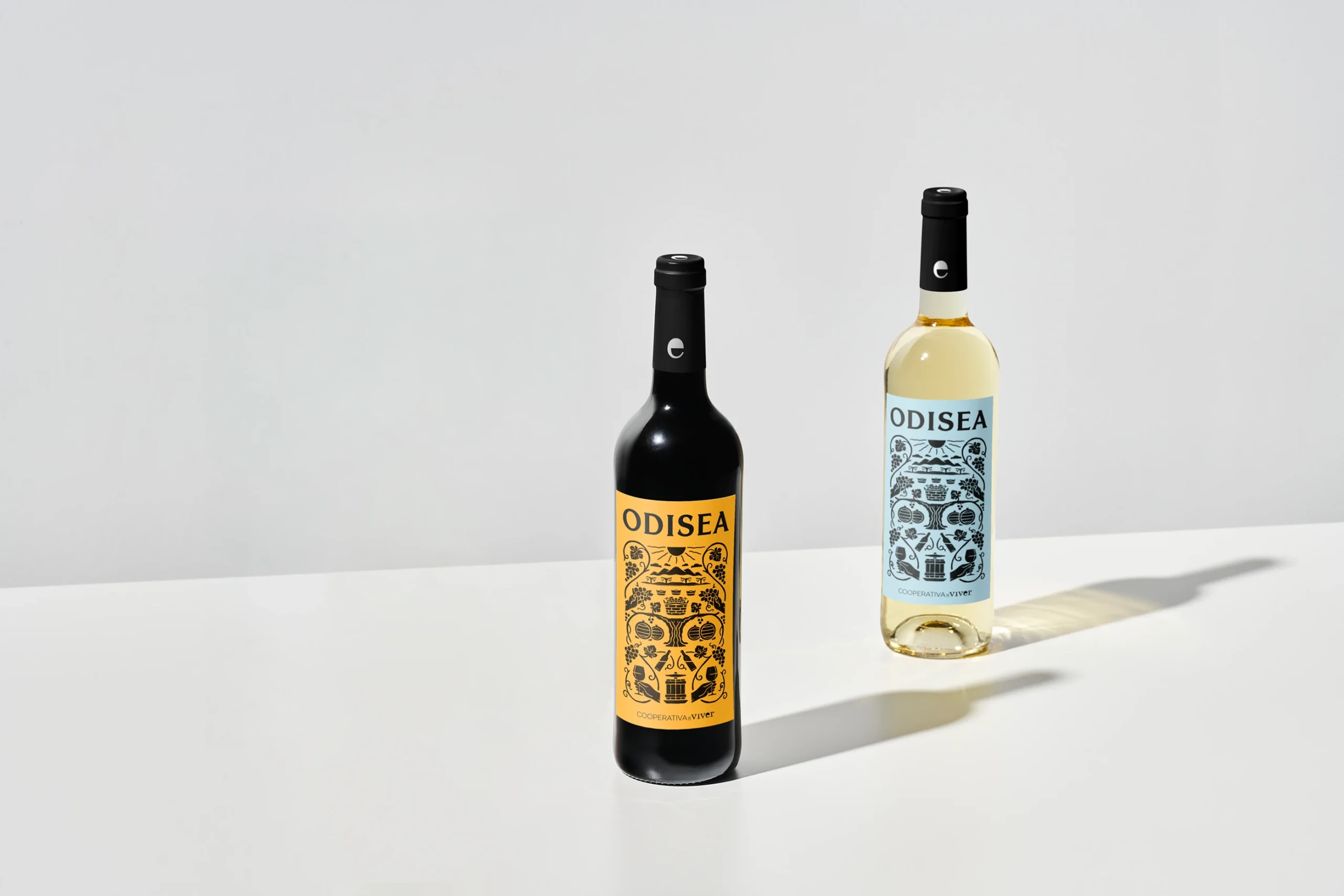
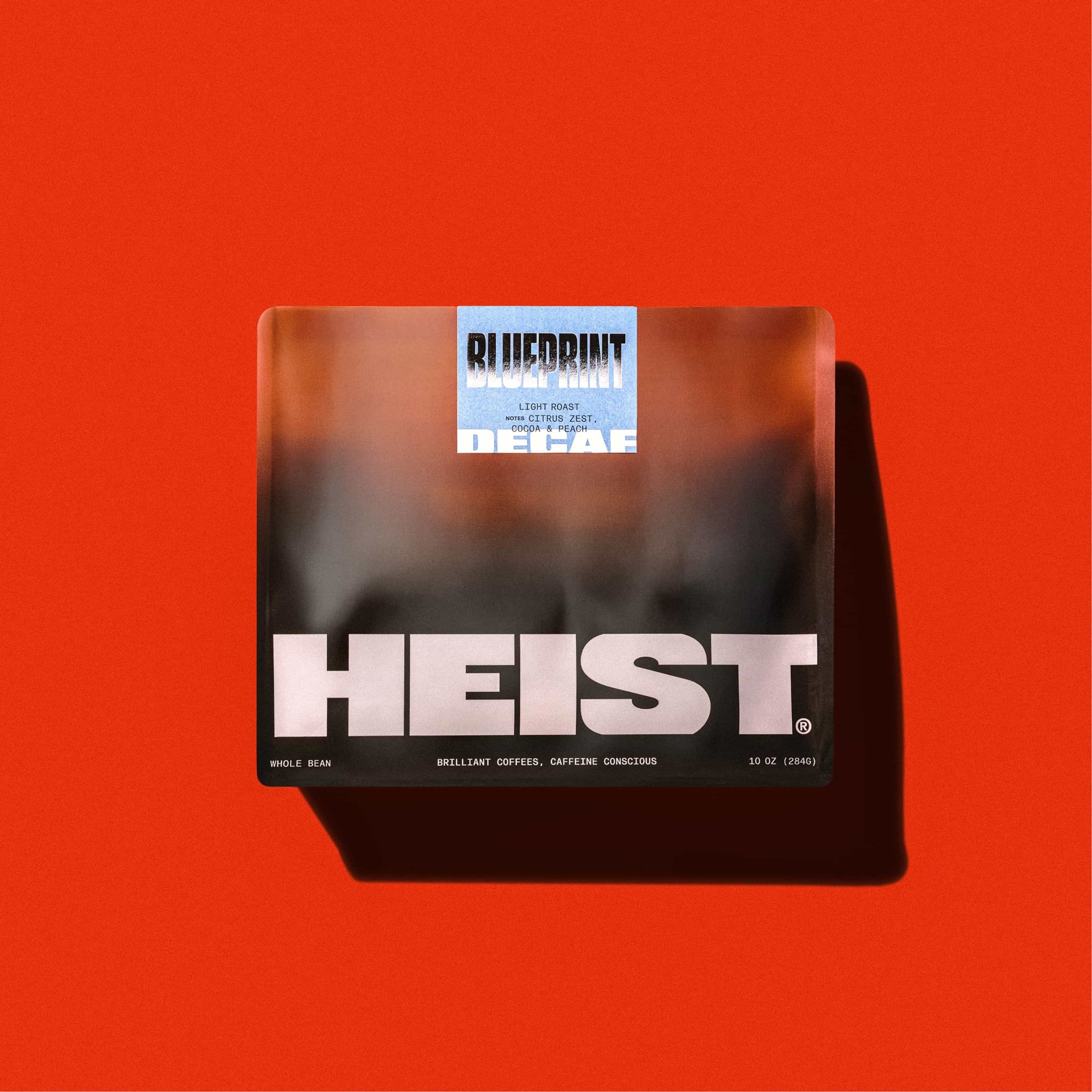
The work by Simone D’Antonio for Mammamia exemplifies this approach. By meticulously evoking retro Italian aperitivo culture, the packaging transforms THC gummies into an item that belongs on a coffee table, suggesting a sophisticated social ritual. The detailed attention to era-specific typography and cocktail-inspired profiles creates an immediate, multi-sensory expectation. This design strategy contradicts a prevalent industry assumption that premium or disruptive products require either stark minimalism or overtly modern, abstract visuals to convey value or innovation. Instead, Mammamia, like Odisea Wines with its folk-inspired illustrations and Gander’s cinematic packaging for Heist coffee, proves that deeply referential, narrative-driven design can deliver superior shelf impact and foster deeper consumer loyalty by offering an emotional anchor. The packaging itself becomes a piece of storytelling, rather than just a container.
This trend toward narrative-rich, tactile packaging will expand significantly. By early 2028, the industry will observe a marked increase in mass-market brands integrating complex textural elements, multi-material constructions, and bespoke structural forms. These will move beyond simple graphic updates to offer tangible, story-driven objects that consumers will want to keep, collect, or display. Such approaches satisfy a growing consumer demand for authentic, tangible experiences in a largely digital consumer landscape, enhancing both unboxing and post-purchase engagement.
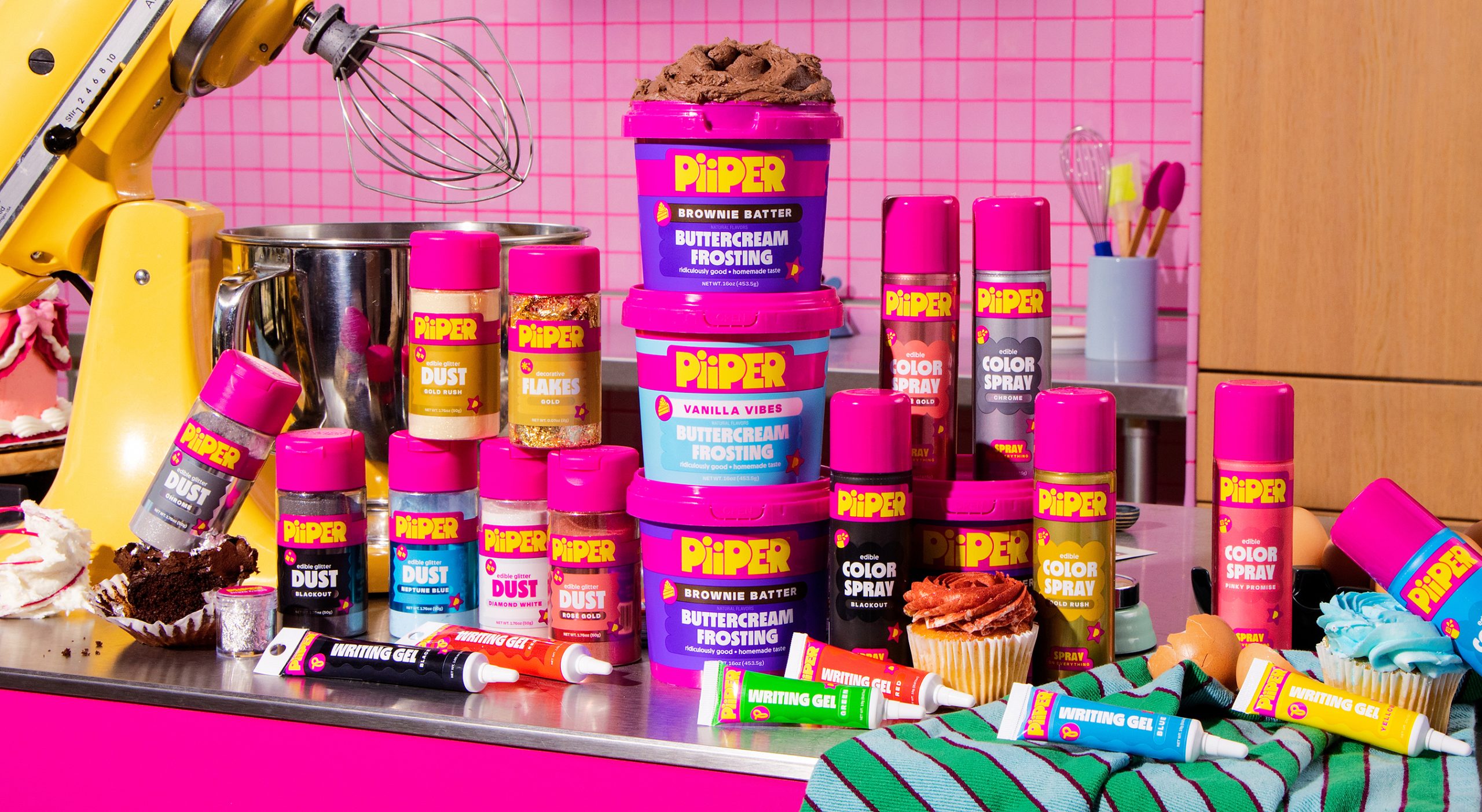
The primary resistance to this evolution comes from the entrenched cost structures of global supply chains and the pervasive pressure for lean manufacturing. Implementing intricate tactile designs, custom material combinations, and specialized printing techniques often escalates production costs and lead times. This directly clashes with retailers’ demands for aggressive price points and rapid inventory turnover, particularly within categories like PiiPER’s budget-friendly cake design products found at Target and Walmart. The perceived complexity of sustainable material sourcing for these elaborate designs also presents a challenge, despite the availability of innovative solutions.
A packaging professional should immediately review their current material procurement strategies, specifically seeking out suppliers offering novel sustainable substrates with inherent tactile properties or advanced capabilities for embossing, debossing, or specialized coatings. Following this, the packaging team should be challenged to develop three distinct, narrative-driven packaging concepts for a high-volume product. These concepts must prioritize storytelling through texture, form, and structural interaction rather than solely through printed graphics, aiming to transform a standard unboxing into a memorable, multi-sensory event that aligns with the product’s core identity.
TL;DR
Packaging that tells a deep, specific story through tactile and visual elements is outperforming generic design in creating consumer connection.
Curated References

About this editorial — This piece was developed using AI-assisted research and curation across multiple industry sources. All analysis, opinions, and predictions represent the editorial perspective of JHDD. Sources are linked in the references section above.