JHDD Interior Report — 2026.08.22
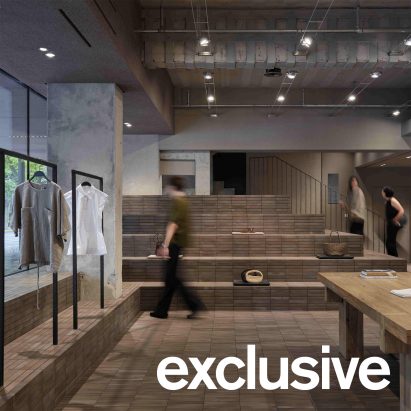
AIM Architecture’s design for Zara Huaihai Road in Shanghai incorporates an amphitheatre-like brick podium connecting the building directly with the street.
This public-facing gesture, alongside Tatjana von Stein’s blend of local history and distinct glamour for The Dean Munich, and even the global proliferation of intentionally designed ice cream shops, reveals a quiet but profound re-orientation in spatial design. Developers and designers are investing in highly specific, localized physical experiences that encourage human interaction and tactile engagement, resisting generalized, ephemeral aesthetics. The emphasis is on grounded materiality and spatial narratives that anchor people in a place, rather than merely attracting attention.
Tatjana von Stein’s work on The Dean Munich exemplifies this shift, crafting 281 rooms and suites alongside three bars and the Ibasho restaurant. Her approach, which merges Munich’s Jugendstil heritage with 1980s glamour through hundreds of bespoke lights and furnishings, contradicts the mainstream industry’s prevailing focus on immediate visual gratification, often seen in the “dopamine decor” trend. While much of the industry chases rapid trend cycles amplified by digital platforms, von Stein demonstrates that enduring appeal stems from a complex layering of history and specific material choices. The tactile quality of these bespoke elements, rather than bright, superficial novelty, creates a rich spatial tension that invites prolonged engagement.
This considered blending of periods and local context generates a deeper human flow, as guests navigate spaces imbued with genuine narrative rather than fleeting style. Conventional wisdom often prioritizes an instant “wow factor” over substantive depth. However, the luxury consumer, increasingly seeking authenticity, will reject spaces that feel interchangeable or solely reliant on vibrant but shallow aesthetics. This trajectory suggests that by mid-2027, major hospitality groups will prioritize commissions that emphasize bespoke, historically informed materiality and sophisticated spatial tension over generalized trend adherence.
The primary counter-force remains the pervasive influence of social media algorithms, which tend to amplify visually simplistic, trend-driven aesthetics like “dopamine decor.” This digital pressure prioritizes quick consumption and shareability over the nuanced tactile and experiential qualities that define truly compelling physical spaces.
A working interior professional should dedicate resources to researching and integrating hyper-local material histories and craft traditions into new projects. This means moving beyond mood boards filled with global trends and instead exploring specific artisans, regional stone, or traditional joinery techniques to create distinct spatial identities.
TL;DR
Enduring luxury design is embracing localized materiality and narrative over superficial visual trends.
Curated References


About this editorial — This piece was developed using AI-assisted research and curation across multiple industry sources. All analysis, opinions, and predictions represent the editorial perspective of JHDD. Sources are linked in the references section above.