JHDD Interior Report — 2026.08.20
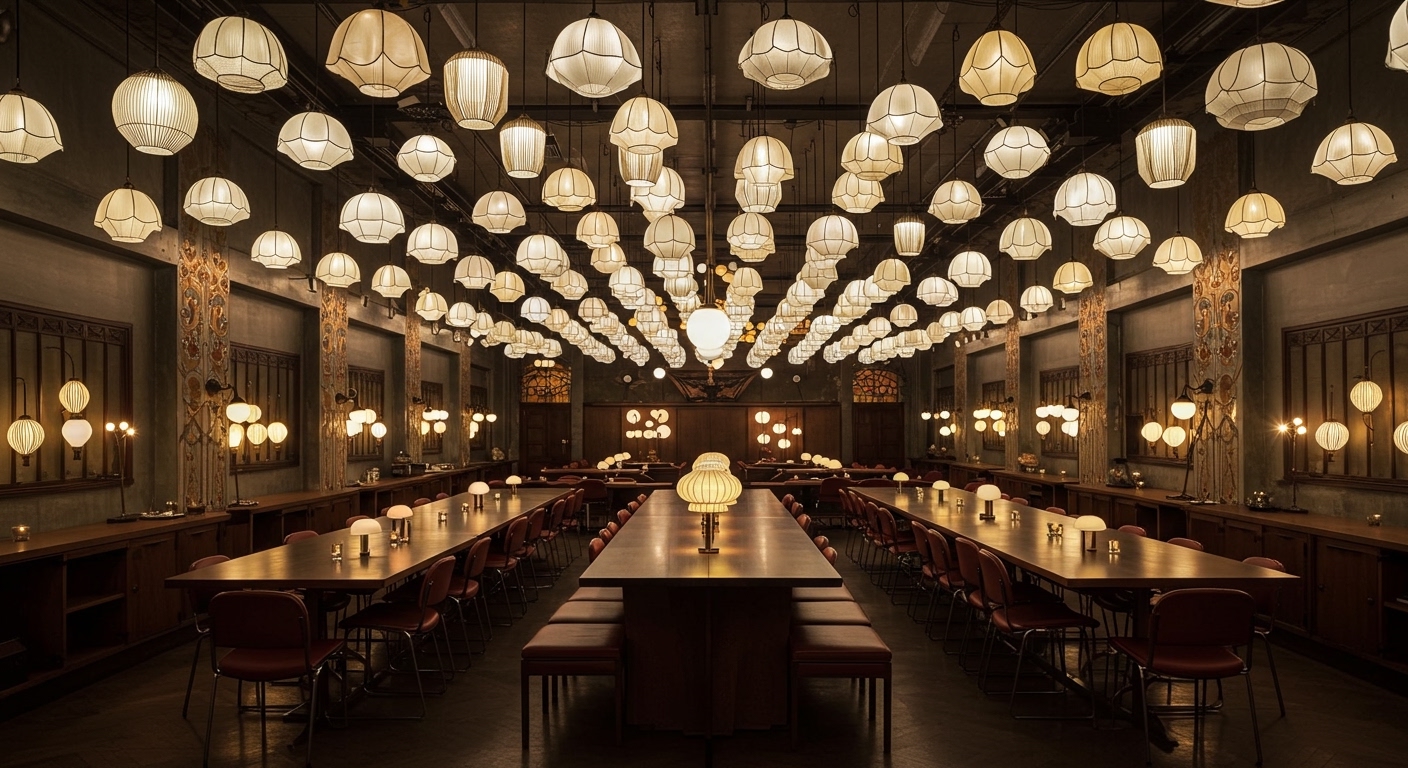
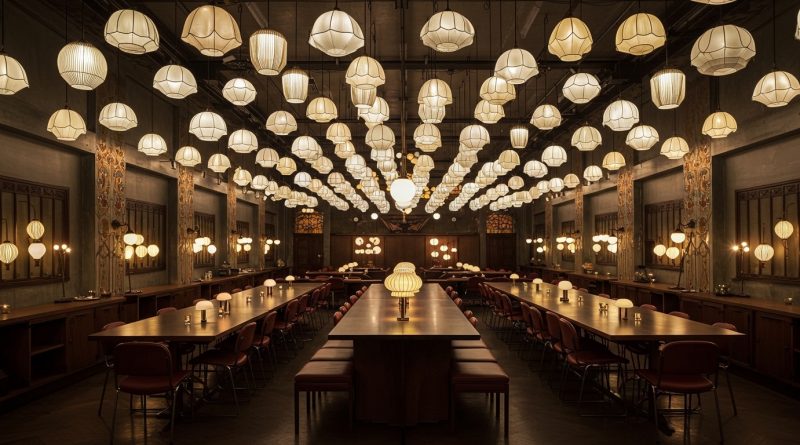
Tatjana von Stein’s design for The Dean Munich, blending Jugendstil with 1980s glamour across hundreds of bespoke lights and furnishings, demonstrates a deliberate construction of spatial tension.
This approach highlights a larger, often unarticulated pattern beyond singular stylistic trends: the deliberate manipulation of sensory and emotional states through precise material and aesthetic curation. While Julie Lasky critiques the “dopamine decor” label for its disingenuous marketing of superficial style as life-improving, the underlying drive for distinct, nuanced spatial experience remains. Ome Dezin’s renovation of a 1990s Hollywood Hills residence, incorporating iconic Frank Gehry and Ingo Maurer pieces, also exemplifies this by creating a considered dialogue between disparate design eras and material legacies.
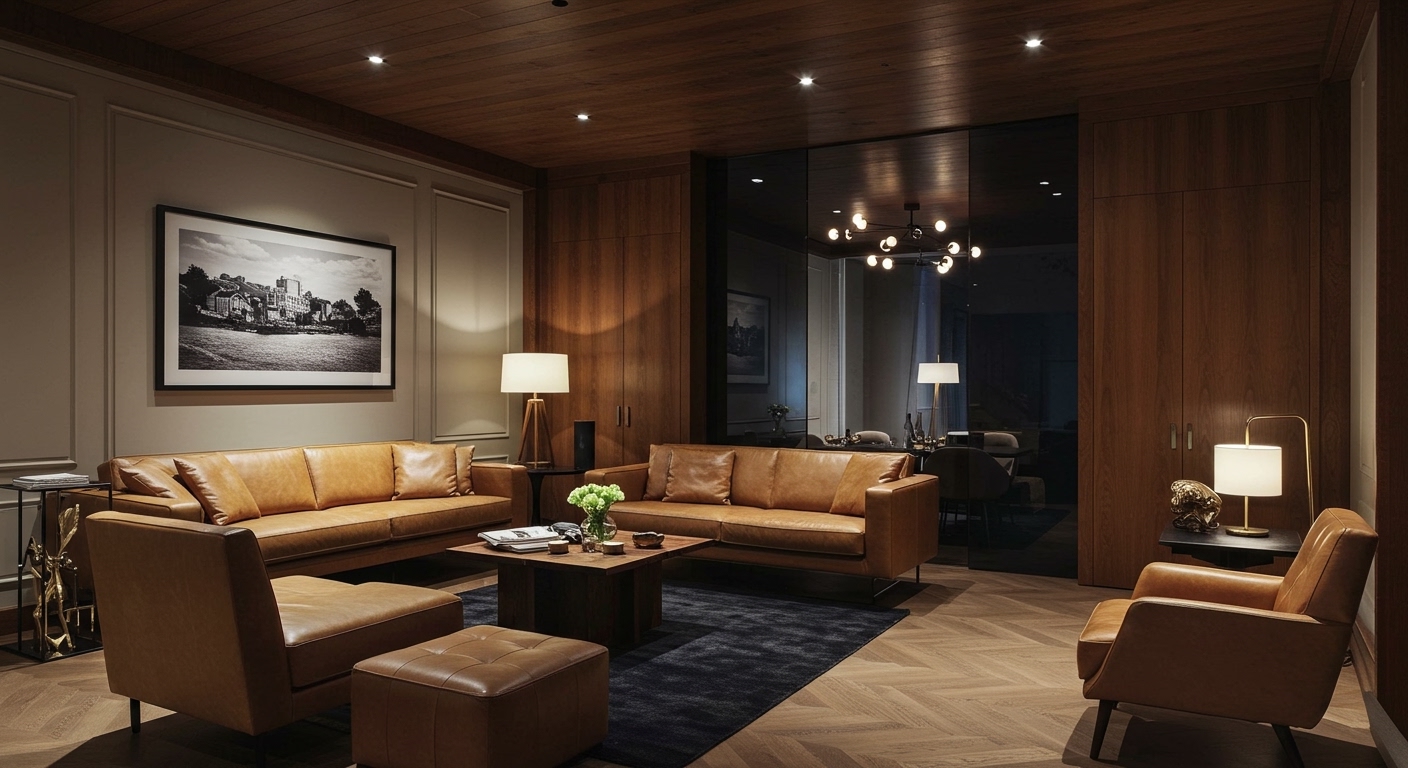
The conventional industry pursuit of “authentic” or stylistically pure environments often overlooks the inherent power of material friction. Genuine luxury design, however, thrives on a sophisticated, even dissonant, layering of historical and contemporary material languages. Tatjana von Stein’s methodology at The Dean Munich, which involved designing hundreds of bespoke lights and furnishings for the hotel’s 281 rooms and suites, exemplifies this by juxtaposing the curvilinear elegance of Jugendstil forms with the sharp, sometimes brash, linearity of 1980s glamour. This friction in materiality and form is not about creating a jarring experience, but about orchestrating a richer human flow. The tactile quality of surfaces—from the polished, reflective metals in the hotel’s three bars to the plush, deep-pile carpets throughout—guides the occupant’s pace and interaction, inviting closer engagement with distinct zones and fostering a deeper, more lasting impression than any singular aesthetic could achieve by itself.
This sophisticated material archaeology challenges the superficiality often associated with transient trend cycles. The appeal of “dopamine decor,” as critiqued by Julie Lasky, is less about its visual attributes or tactile qualities and more about its implied promise of an immediate, unearned emotional state—a quick fix for complex human needs. A truly refined interior cultivates emotional and physical experiences through carefully considered material encounters, which influence human behavior and perception more subtly and profoundly. By mid-2027, the luxury residential and hospitality sectors will pivot significantly towards designs that articulate specific, contrasting material narratives within a single space. This will emphasize how disparate tactile qualities generate complex spatial tension and direct human interaction, moving beyond overt stylistic imitation toward an in-depth understanding of material presence and its psychological effects.
The most significant opposing force to this nuanced approach is the pervasive demand for easily replicable, visually striking trends driven by social media platforms. This encourages designers and clients to prioritize immediate visual impact and broad appeal over the complex, often subtle, material dialogues that create enduring spatial experiences.
Interior professionals should, this week, select a current project and identify one specific material or finish that can be introduced to deliberately create tactile friction or historical counterpoint with existing elements, rather than seeking seamless integration. For example, consider pairing an unpolished, textured ceramic with a highly refined, planar metal surface in a small corner. Then, observe its impact on perceived spatial depth and occupant engagement.
TL;DR
Meaningful spatial tension emerges from sophisticated material friction, not superficial stylistic adherence.
Curated References



About this editorial — This piece was developed using AI-assisted research and curation across multiple industry sources. All analysis, opinions, and predictions represent the editorial perspective of JHDD. Sources are linked in the references section above.