JHDD Branding Report — 2026.08.19
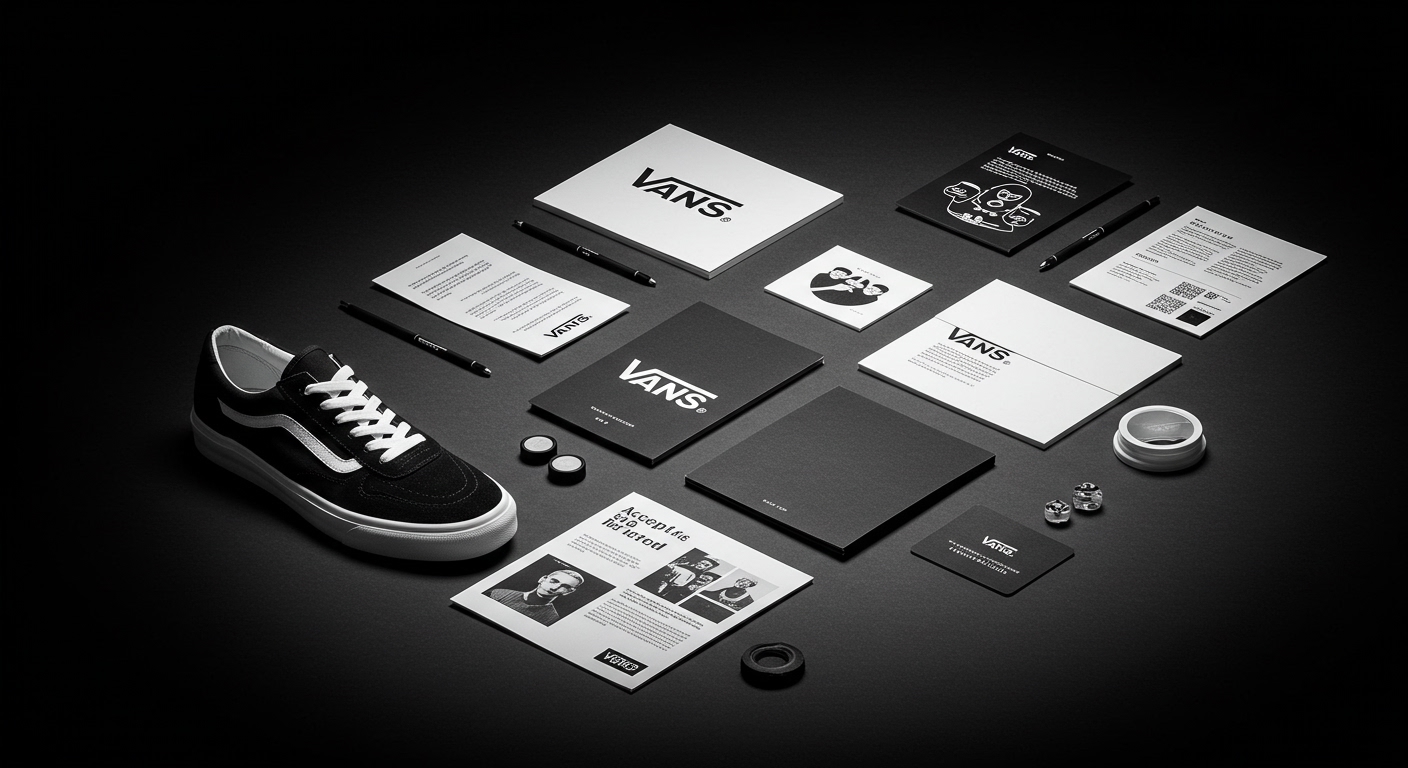
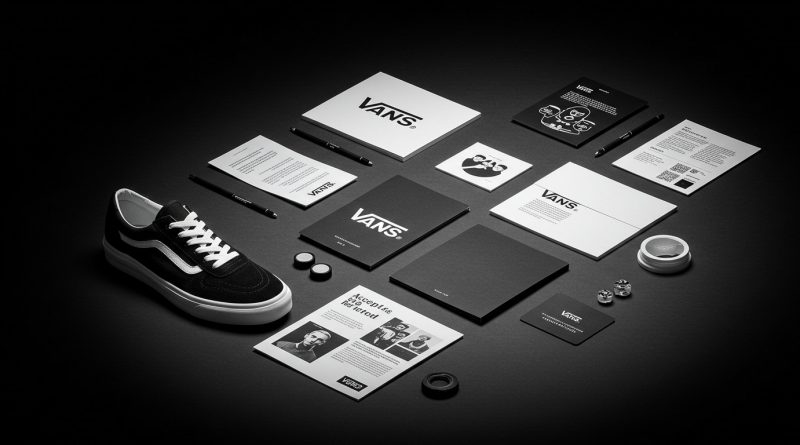
Accept & Proceed’s new brand identity for Vans exemplifies a strategy of maintaining the iconic three-hole plimsoll aesthetic without radical alteration.
A subtle yet persistent pattern connects several recent brand identity initiatives: a deliberate move away from the expectation of ‘bold disruption’ towards a focused preservation or sensitive enhancement of established brand equity. These projects are not about reinventing a brand for the sake of novelty, but rather discerning and reinforcing its inherent cultural signals and market positioning. This approach prioritizes deep understanding over performative transformation.
Consider Accept & Proceed’s work for Vans. Mainstream industry wisdom often suggests that brands, especially those with long histories, require periodic, overt reinvention to remain relevant or to capture new demographics. This often manifests as drastic visual overhauls, new logos, or entirely fresh messaging platforms. However, Accept & Proceed understood that Vans’ brand equity resides precisely in its well-loved, even worn-out, physical product and its consistent visual language. The choice to preserve and refine rather than overhaul contradicts the conventional impulse to declare a new direction; it recognizes that some brands are strongest when they lean into their authenticity, even if that authenticity is a sun-bleached shoe with holes. The cultural signal here is stability and realness, not constant evolution.
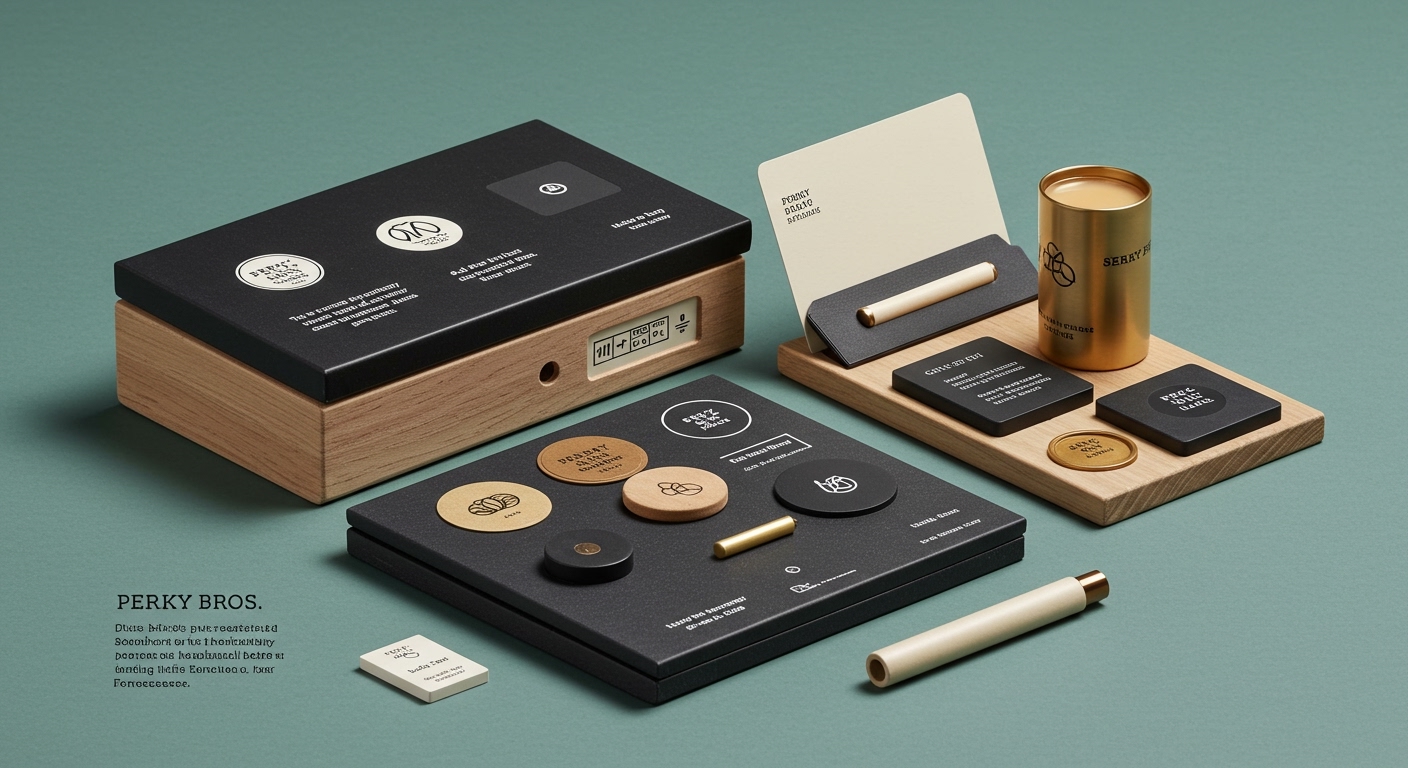
Similarly, Perky Bros’ identity for Southall emphasizes “restrained Southern hospitality” over “shouty branding.” The agency correctly identified that the resort’s brand equity is built on an understated, authentic experience, not a loud, attention-grabbing visual identity. This strategic restraint in visual identity systems signals a deeper understanding of market positioning, where genuine character outranks superficial flash. By mid-2027, more high-end experience brands will explicitly benchmark their success on the subtle integrity of their brand expressions rather than their outward ‘innovativeness’.
The primary force resisting this trend is often the internal pressure for visible change. Marketing departments, seeking clear differentiators or tangible ‘wins’ for quarterly reports, frequently demand identity shifts that are dramatic enough to generate headlines or justify agency fees. This short-term desire for novelty can overshadow a long-term strategy of safeguarding and nurturing existing, valuable brand equity.
A working Branding professional should immediately identify the two to three undisputed, non-negotiable equities that define their client’s or organization’s brand in the consumer’s mind. These are the elements that, if altered, would elicit a negative reaction from the brand’s core audience. This focus on identifying and protecting core equities must precede any discussion of brand evolution or visual identity updates, effectively shifting the strategic conversation from ‘what can we change?’ to ‘what must we preserve?’.
TL;DR
Successful branding increasingly relies on identifying and preserving core authentic equities rather than defaulting to disruptive reinvention.
Curated References



About this editorial — This piece was developed using AI-assisted research and curation across multiple industry sources. All analysis, opinions, and predictions represent the editorial perspective of JHDD. Sources are linked in the references section above.