JHDD Packaging Report — 2026.08.18
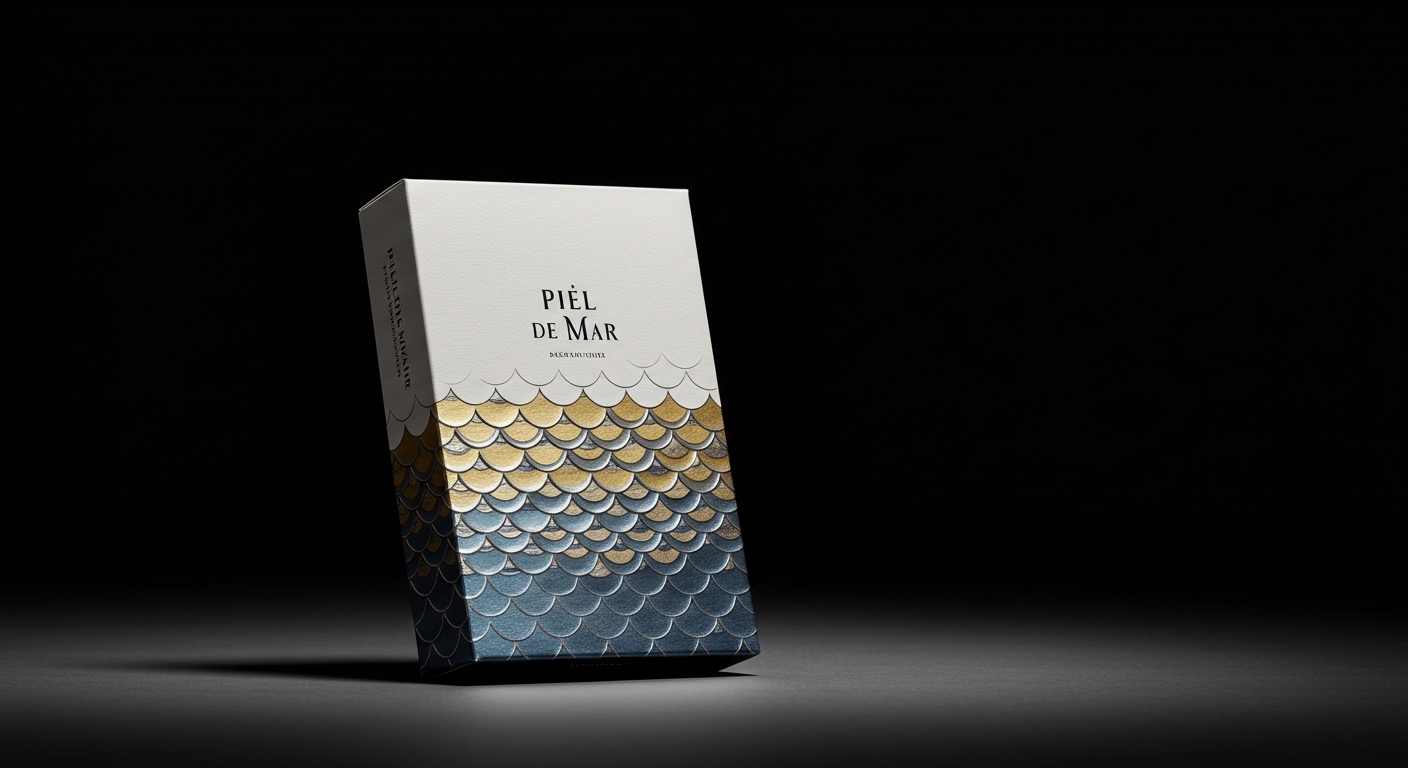
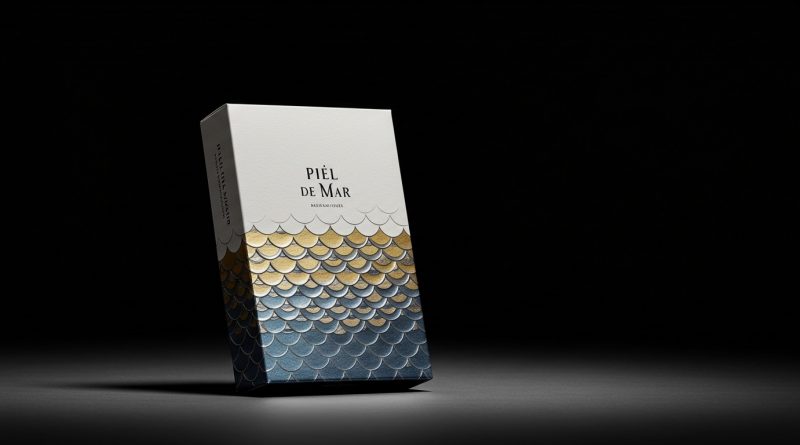
Piel de Mar’s wine label, designed to shimmer like fish scales with layered metallic foil and embossing, illustrates a growing desire for packaging that encourages physical interaction.
Across multiple sectors, brands are seeking to distinguish products through heightened sensory experiences. This ranges from Binaurale’s custom 3D-modeled globe caps for perfume, aiming for “contained maximalism,” to Vitruvius Pink Yuzu embracing “full volume pink” with vintage soda label energy. This pursuit of distinctiveness often prioritizes visual and tactile impact to capture attention and deepen engagement, but the foundational material choices underpinning these designs present a complex challenge for true sustainability.

The industry currently debates whether bold, maximalist design, often reliant on complex finishes, can align with sustainable principles. Conventional opinion frequently suggests that intricate tactile elements, such as Piel de Mar’s layered metallic foil, inherently complicate recycling due to material separation issues. This perspective, however, overlooks a crucial aspect: the power of deep sensory engagement to shift consumer perception of value and disposability. Brands like Piel de Mar are not merely adding surface decoration; they are crafting an object meant to be touched as much as read, fostering a potentially stronger emotional connection that could, in ideal scenarios, encourage reuse or more careful disposal, if the underlying materials are designed for circularity. The problem is not the “loudness” or “tactility” itself, but the lack of integrated thinking about material end-of-life from the initial design phase.
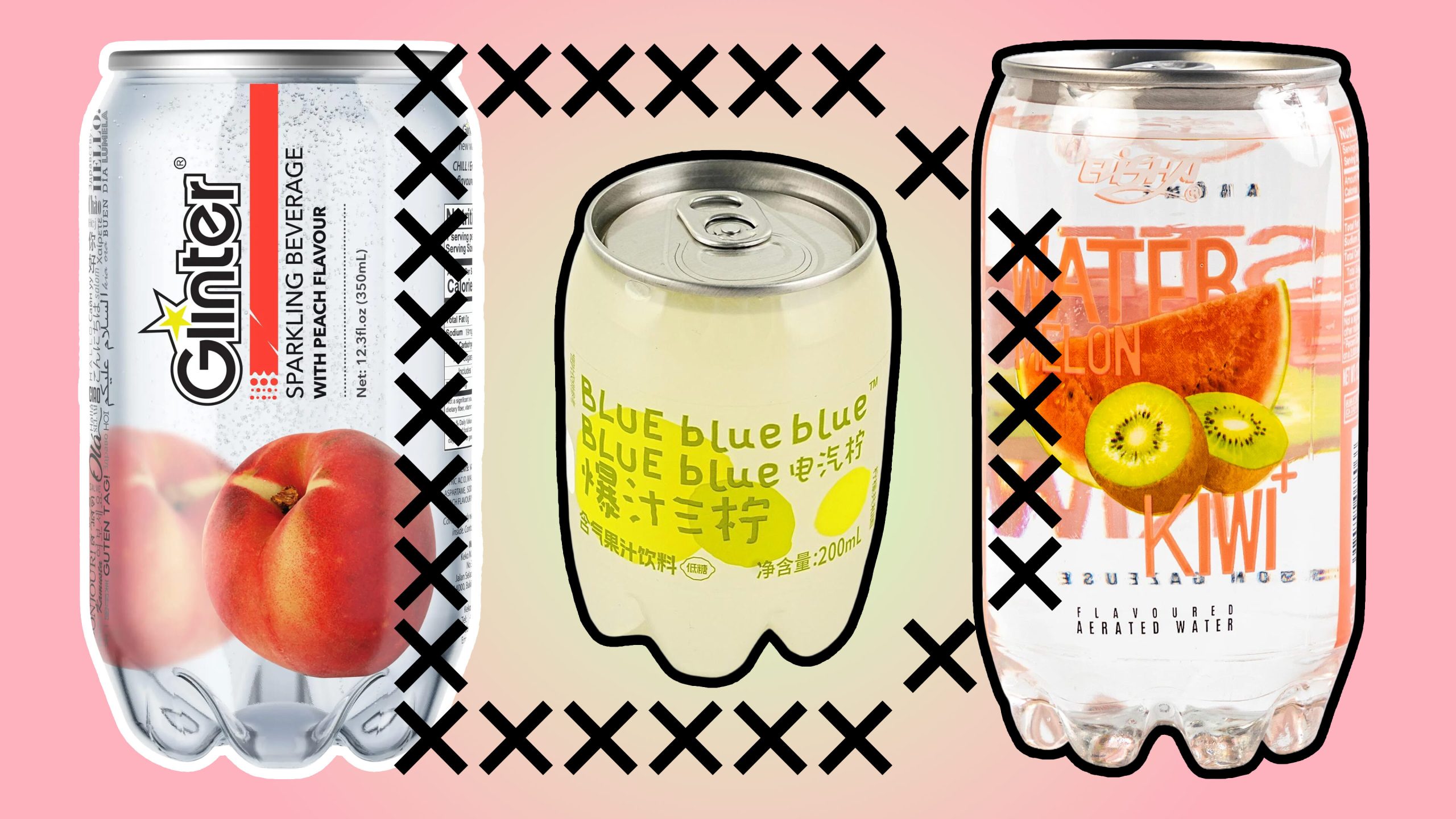
The “franken-can,” a hybrid plastic body with an aluminum top, exemplifies the disconnect when viral appeal or cost dictates material choices without considering recyclability. Its widespread use, popularized by brands such as BuzzBallz, highlights the industry’s struggle to balance immediate shelf impact with long-term material responsibility. This reliance on non-recyclable combinations undermines any claims of sustainable branding, regardless of aesthetic appeal. By mid-2027, the market will see an increased premium placed on multi-sensory packaging designs that use mono-material constructions or components verifiably designed for seamless separation and existing recycling streams. This will force designers to innovate how they achieve textural richness and visual complexity using fewer, more compatible material types.
The primary resistance to this integrated approach comes from the economic pressures of mass production and the established supply chains. Brands often prioritize lower unit costs and rapid market entry, leading to material specifications that are technically easier to produce but environmentally problematic. Additionally, the existing recycling infrastructure in many regions struggles with anything beyond basic material separation, further disincentivizing complex but truly circular material innovations. This creates a feedback loop where convenient, albeit unsustainable, material combinations persist.
A working packaging professional should this week initiate a comprehensive material audit for all new projects. This involves mapping every component, including adhesives, inks, and coatings, and verifying its compatibility with local recycling streams when combined, not just in isolation. Demand clear, third-party verified data from suppliers on composite recyclability, specifically addressing how multi-material elements will be separated and processed in current industrial facilities.
TL;DR
Packaging design must unify expressive sensory appeal with verifiable material circularity to avoid the pitfalls of superficial sustainability.
Curated References


About this editorial — This piece was developed using AI-assisted research and curation across multiple industry sources. All analysis, opinions, and predictions represent the editorial perspective of JHDD. Sources are linked in the references section above.