JHDD Branding Report — 2026.08.16
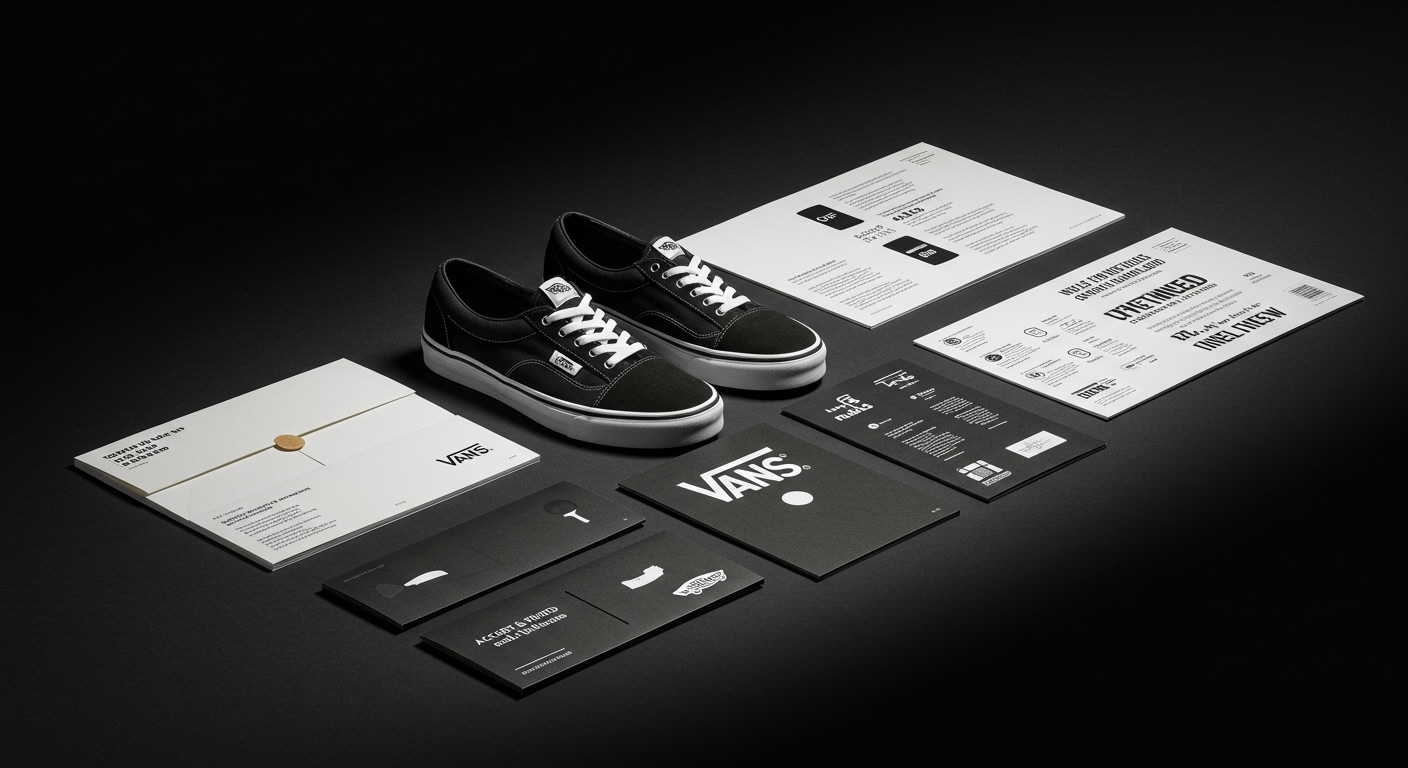
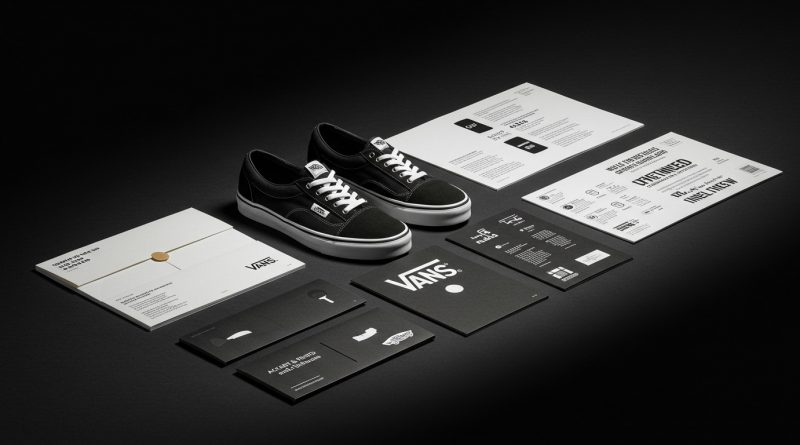
Accept & Proceed’s identity for Vans did not reinvent the beloved three-hole plimsoll brand; it understood its existing, worn-in equity.
These recent projects signal a collective re-evaluation of how brand equity is managed. The pattern emerging is not a call for wholesale disruption, but a strategic calibration of identity that either amplifies specific heritage, challenges established category tropes through deliberate contrast, or refines existing cultural signals rather than replacing them. This approach prioritizes deep resonance over superficial novelty, recognizing that enduring value often lies in what already exists.

Consider the work by All Purpose for Ancestrel, the UK’s first natural wine importer. Their “lurid” new identity deliberately ditches traditional wine clichés. This choice extends beyond aesthetics; it is a direct challenge to the visual language of an entrenched industry, signaling a distinct market positioning for a brand that carved out a new niche a decade ago. The mainstream industry often defaults to aspirational elegance or rustic authenticity when rebranding food and beverage products. Ancestrel’s approach, however, leans into an almost defiant counter-culture aesthetic, using visual identity to assert an alternative value system within the wine market.
This contradicts the conventional wisdom that brand evolution must always broaden appeal or align with perceived premium aesthetics. Instead, Ancestrel demonstrates that hyper-specificity and deliberate contrast can build formidable brand equity by fiercely appealing to a defined subculture. For many brands, chasing mainstream acceptance dilutes their initial, powerful resonance. Brands like Ancestrel prove that by mid-2027, the most effective visual identity systems for challenger brands will increasingly derive strength from highly distinct, even provocative, cultural signals that alienate some segments while deeply embedding loyalty in others.
The force resisting this focused authenticity is the market pressure from large conglomerates and legacy brands. These entities often prioritize broad demographic appeal and predictable returns, which incentivizes safer, more generalized visual identities and marketing strategies. Their immense advertising budgets can overshadow niche players, making it difficult for specifically targeted brands to achieve visibility if they do not conform to widely recognized aesthetic codes.
A working Branding professional should immediately scrutinize client briefs for unstated assumptions about market expansion or aesthetic conformity. Instead of automatically seeking to modernize or broaden, professionals should conduct deeper qualitative research into the specific subcultures or established loyalties a brand already possesses. Identify the core, non-negotiable cultural signals and visual assets that define the brand for its most fervent advocates, then develop strategies that amplify or subtly refine these elements, rather than discarding them in pursuit of a generic “new look.”
TL;DR
Effective brand evolution now prioritizes refining existing cultural signals and challenging category clichés over broad reinvention or generic appeal.
Curated References



About this editorial — This piece was developed using AI-assisted research and curation across multiple industry sources. All analysis, opinions, and predictions represent the editorial perspective of JHDD. Sources are linked in the references section above.