JHDD 3D Modeling Report — 2026.08.14
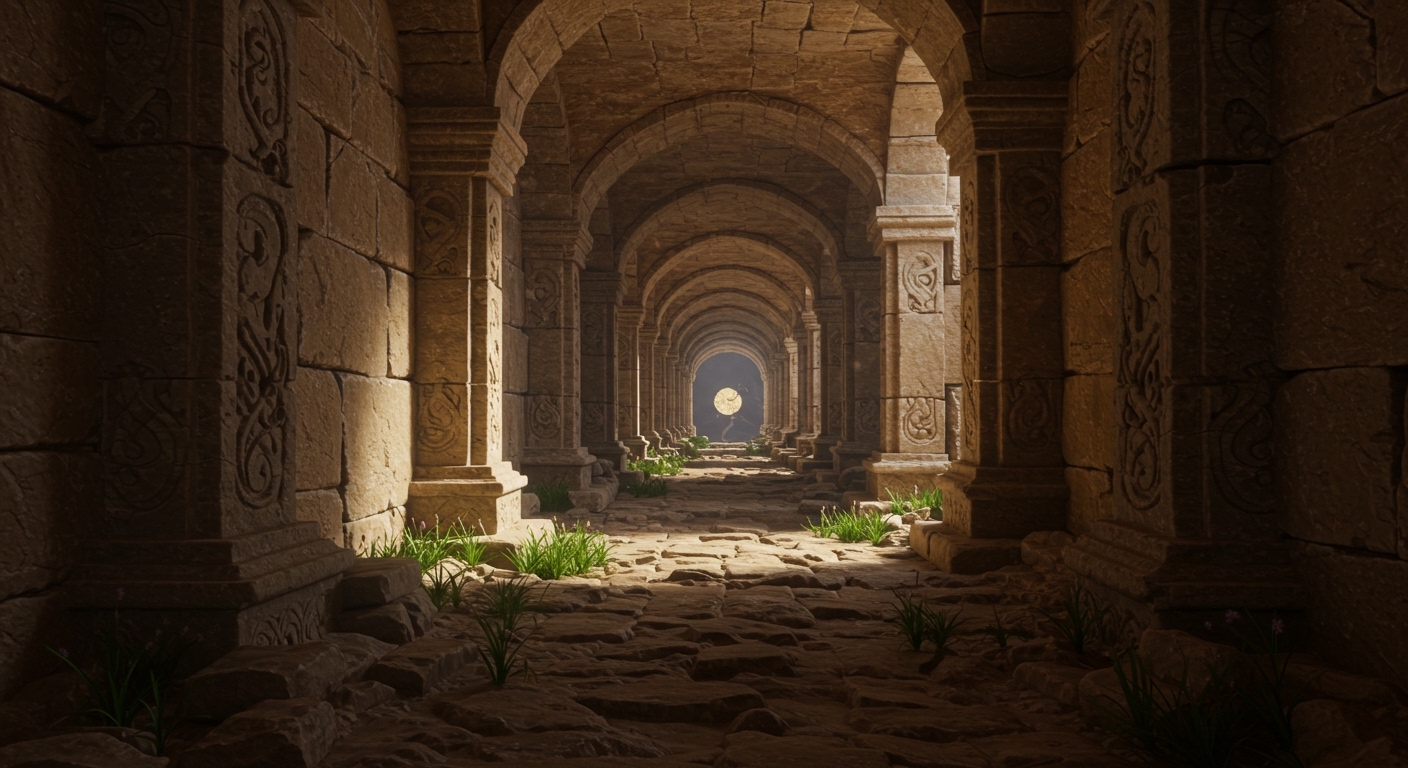
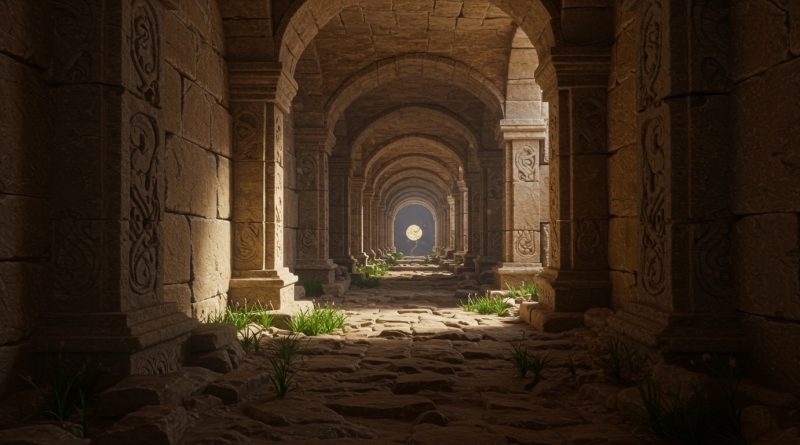
The recent breakdown of a Procedural Stone Passage built with a custom Houdini HDA in Unreal Engine 5 demonstrates a pivotal shift in environmental design.
These diverse examples, from intricate character rigging to real-time browser-based simulations and photorealistic environments, reveal a unifying emphasis on generative systems. The focus is moving beyond static asset creation to designing flexible frameworks that can adapt, react, and scale within virtual spaces. This underlying shift prioritizes dynamic content generation and interactive fidelity, regardless of the target aesthetic.
The creation of the Procedural Stone Passage using a custom Houdini HDA in Unreal Engine 5 exemplifies this evolution. The traditional approach to such a photorealistic scene would involve meticulous manual sculpting and texture work for each unique rock formation. However, this project showcases an intelligent system where a custom asset defines rules and parameters for generating complex, non-repeating geometry. This contradicts the mainstream industry’s increasing reliance on generalized AI content generation tools. While AI can quickly produce variations, the deliberate construction of a custom HDA reflects a deeper understanding of underlying geological processes and structural integrity, leading to more controllable and contextually aware outputs. This method ensures that the generated environment maintains specific artistic direction and structural coherence crucial for hyper-realism.
Conventional wisdom often posits that speed and volume are paramount, leading many studios to adopt black-box AI solutions for environment population. However, the true innovation lies in the architecting of procedural systems that offer precise control over every facet, from macro-level layouts to micro-surface details. Such systems facilitate not just realism but also adaptability for diverse lighting conditions and interactive elements within a virtual space. By early 2028, leading digital fabrication pipelines will prioritize artists who can engineer these highly parameterized, rule-based assets, making them directly adaptable for physical production without extensive remodeling.
The primary resistance to this methodology comes from entrenched production pipelines still heavily reliant on manual asset creation and one-off modeling. The initial investment in developing custom procedural tools or mastering advanced node-based workflows is often perceived as too high, favoring iterative manual adjustments over systemic, generative solutions. Furthermore, the immediate gratification offered by broad-stroke AI texture and model generation often overshadows the long-term benefits of deeply integrated, controllable procedural design.
A working 3D Modeling professional should immediately begin exploring declarative procedural authoring within tools like Houdini or Blender’s Geometry Nodes, focusing specifically on exposing parameters for runtime control. Rather than merely creating static models, the objective should be to construct “asset generators” capable of producing variations based on input data, lighting scenarios, or user interaction within a target engine like Unreal Engine 5. Understanding the mathematical and logical underpinnings of these systems will be more valuable than simply learning new software features.
TL;DR
The future of 3D modeling emphasizes creating adaptable procedural systems rather than individual static assets, requiring deep understanding beyond simple AI applications.
Curated References
About this editorial — This piece was developed using AI-assisted research and curation across multiple industry sources. All analysis, opinions, and predictions represent the editorial perspective of JHDD. Sources are linked in the references section above.