JHDD 3D Modeling Report — 2026.08.13
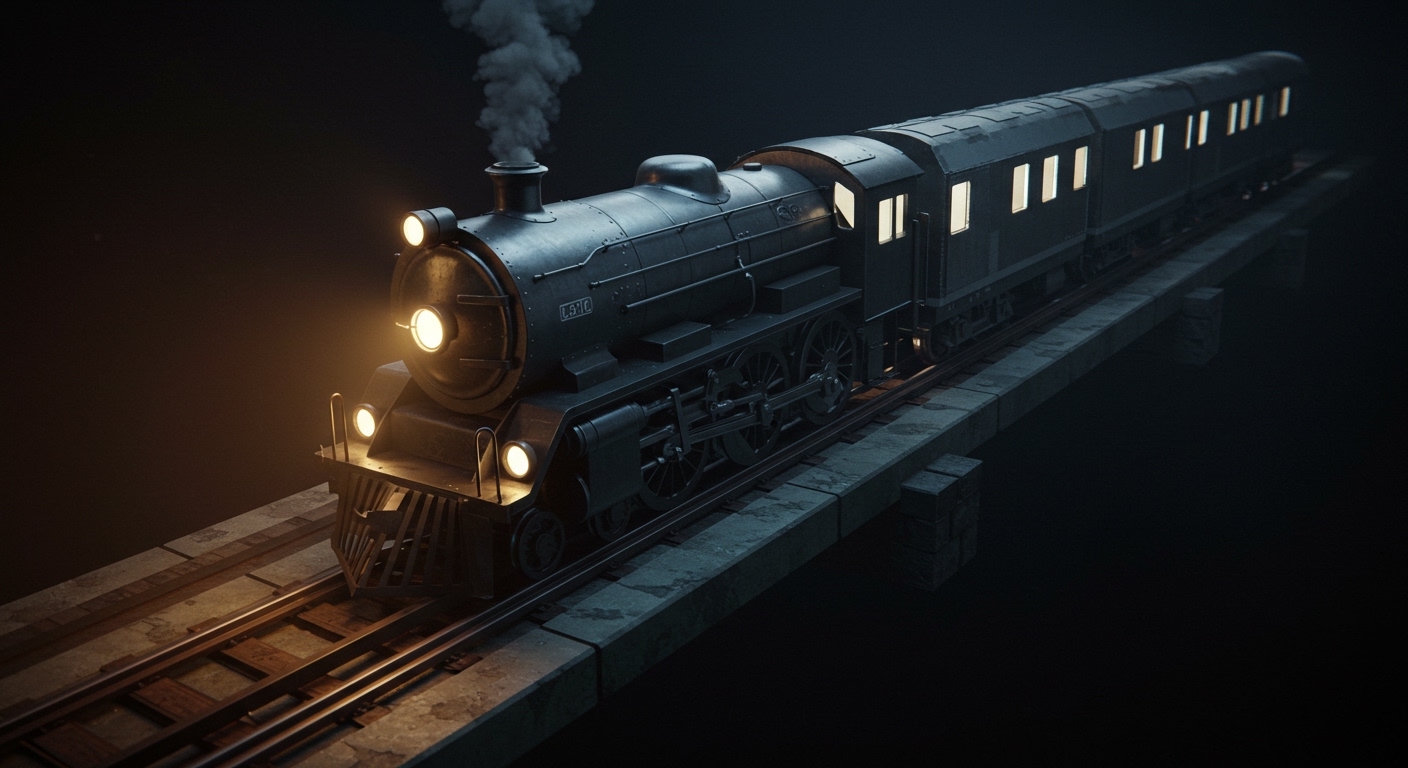
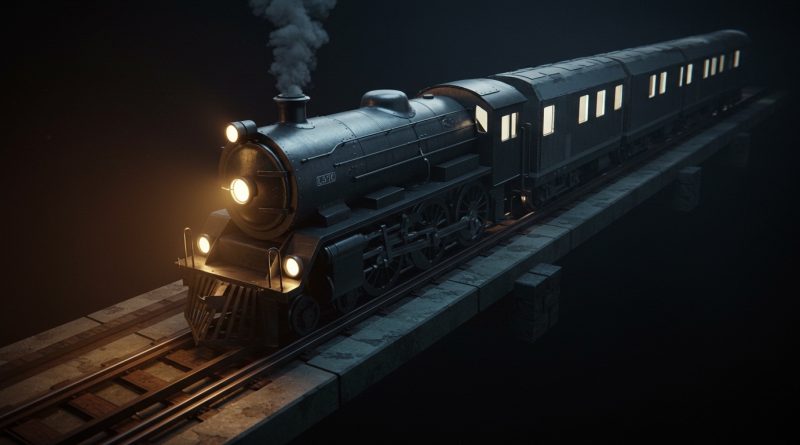
Seb van den Beemt’s Night Train animation, rendered in Unreal Engine, demonstrates a precise mastery of lighting that defines its fairytale aesthetic. This specific quality of light suggests more than simple replication; it conveys a distinct mood and atmosphere.
This animation, alongside the procedural 2D grass implemented in Jarl and the intricate 3D face wall inspired by manga artist Tsutomu Nihei, highlights a specific pattern. Artists are leveraging increasingly sophisticated tools and techniques to generate complex, high-fidelity digital assets and environments. This enables unprecedented detail and atmospheric depth, moving beyond manual asset creation towards building nuanced, reactive virtual realities through advanced procedural methods and dynamic lighting.
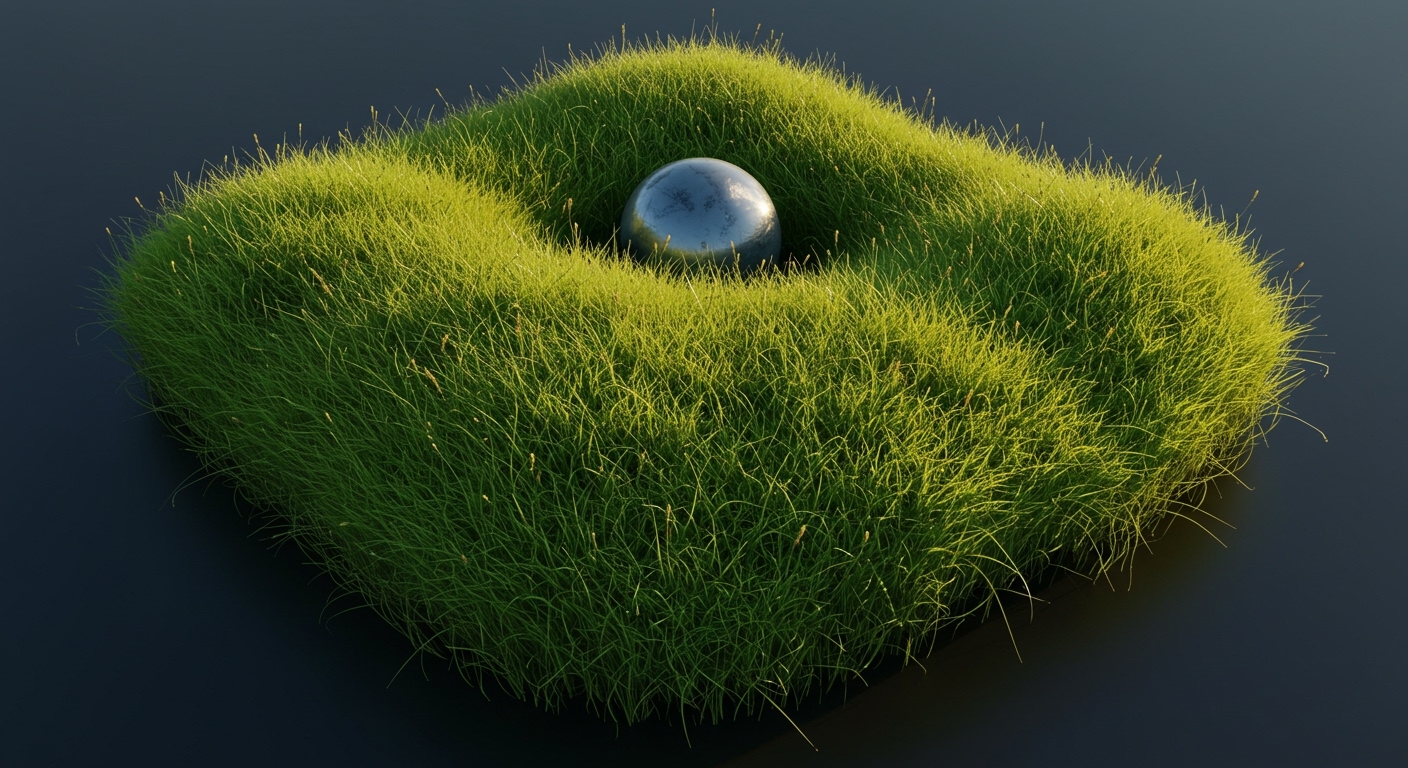
Consider the procedural 2D grass from Jarl. Mainstream industry opinion often emphasizes procedural generation primarily for scaling production or reducing manual workload on background elements. This perspective overlooks the deeper impact: these precise, GPU-compute driven methods are fundamentally redefining hyper-realism in digital environments. The aim shifts from merely replicating physical form to generating dynamic, environmental reactions and subtle textural variations that would be computationally impractical for manual artists to achieve at this level of fidelity. The goal is to create grass that interacts with virtual light and wind in a perceptually richer way, conveying a sense of living presence.
This refined approach, exemplified by Jarl’s procedural elements and MatPlus bringing Substance 3D Painter-inspired texturing directly into Blender, points towards deeper integration of generative processes into the core creative workflow. Within two years, studios will widely adopt pipelines where artists do not simply model and texture, but actively direct sophisticated generative algorithms to craft environmental details and material properties. This will extend beyond static elements to animating subtle changes in virtual spaces, making them respond dynamically to ambient conditions. These advancements will push the boundaries of virtual realism, not by identical replication of reality, but by allowing for a hyper-stylized and highly controllable version of it.
The primary resistance to this evolution is the immediate computational ceiling, starkly evident when the Blender scene inspired by Tsutomu Nihei, with its complex array setup, nearly crashed the artist’s PC. This technical bottleneck, combined with deeply ingrained pipeline methodologies emphasizing manual asset creation, slows widespread adoption. There also exists a resistance rooted in a preference for direct, hands-on sculptural control over algorithmic direction, as some artists perceive the latter as a compromise of their direct artistic agency.
A working 3D Modeling professional should immediately explore the advanced geometry nodes and procedural capabilities within their preferred software. Dedicate time this week to understanding how to direct complex array modifiers or build generative node setups to create intricate surface details, rather than relying solely on traditional poly-modeling. Pay particular attention to how these procedural elements interact with lighting, practicing non-destructive environmental generation within virtual spaces.
TL;DR
Procedural tools are fundamentally changing how artists achieve detailed, dynamic virtual spaces, moving beyond mere efficiency to new forms of controlled realism.
Curated References
About this editorial — This piece was developed using AI-assisted research and curation across multiple industry sources. All analysis, opinions, and predictions represent the editorial perspective of JHDD. Sources are linked in the references section above.