JHDD Interior Report — 2026.08.13
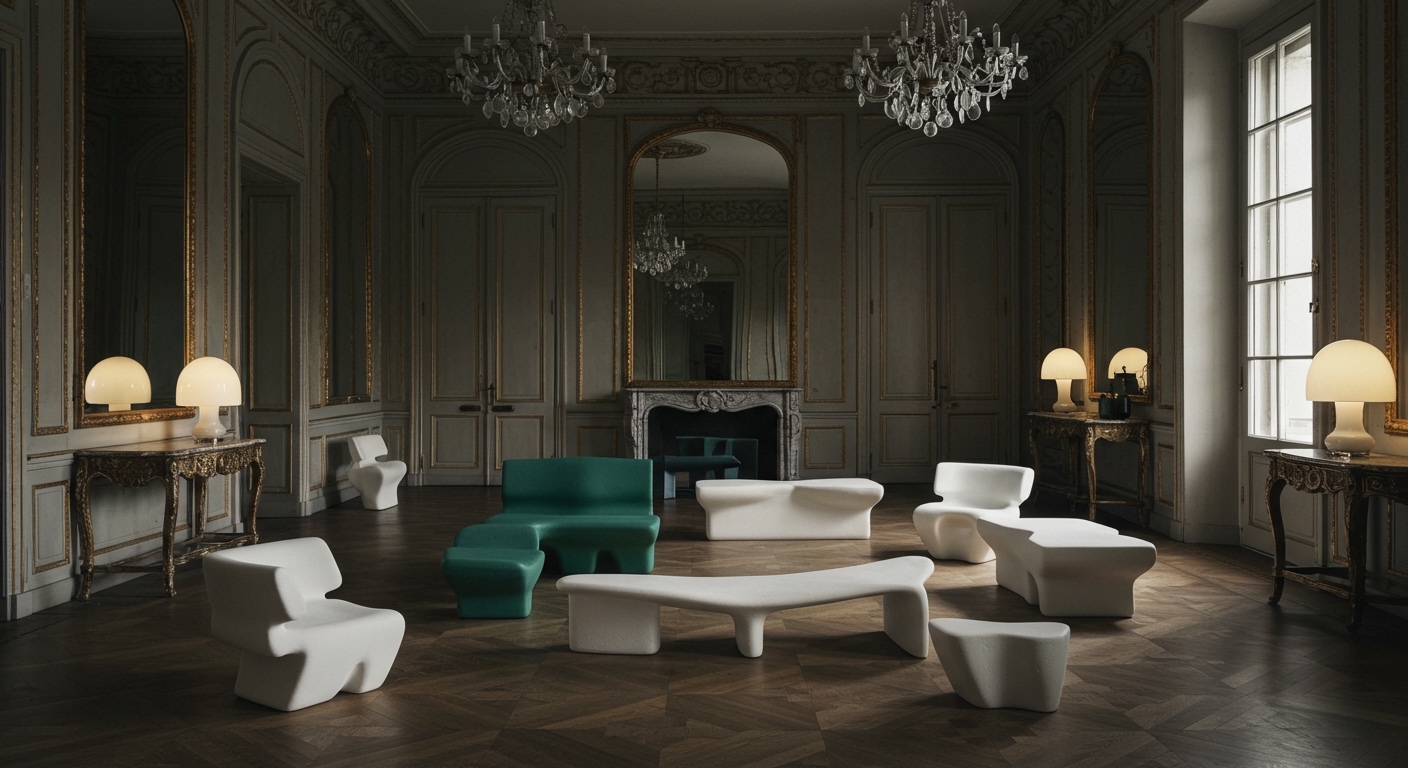
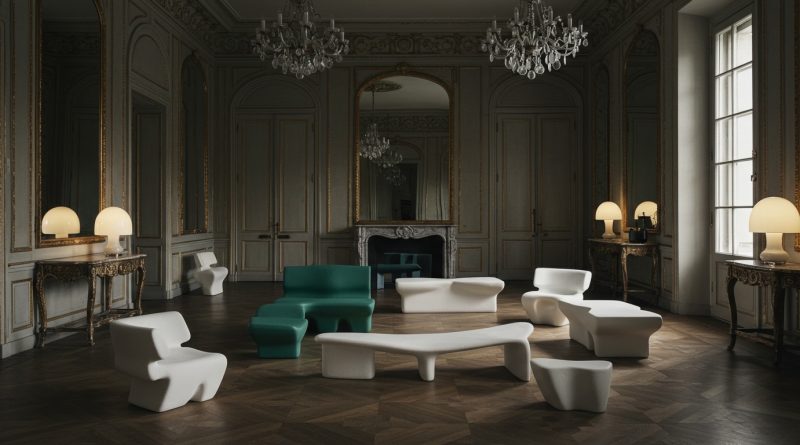
Nicolas Zanoni’s melted polystyrene furniture placed inside the ornate salons of Chateau de Spycker represents a current paradox in luxury design.
Across recent projects, designers are adapting existing structures and actively exploiting the friction generated by material and aesthetic disjunction. This isn’t about seamless integration; it is about a calculated dialogue between disparate elements. Whether through the deliberate rawness within a historic shell or the hyper-curated monochrome within a city’s fabric, the spatial tension created by these juxtapositions defines the user experience, demanding an engagement with both the new intervention and its context simultaneously.
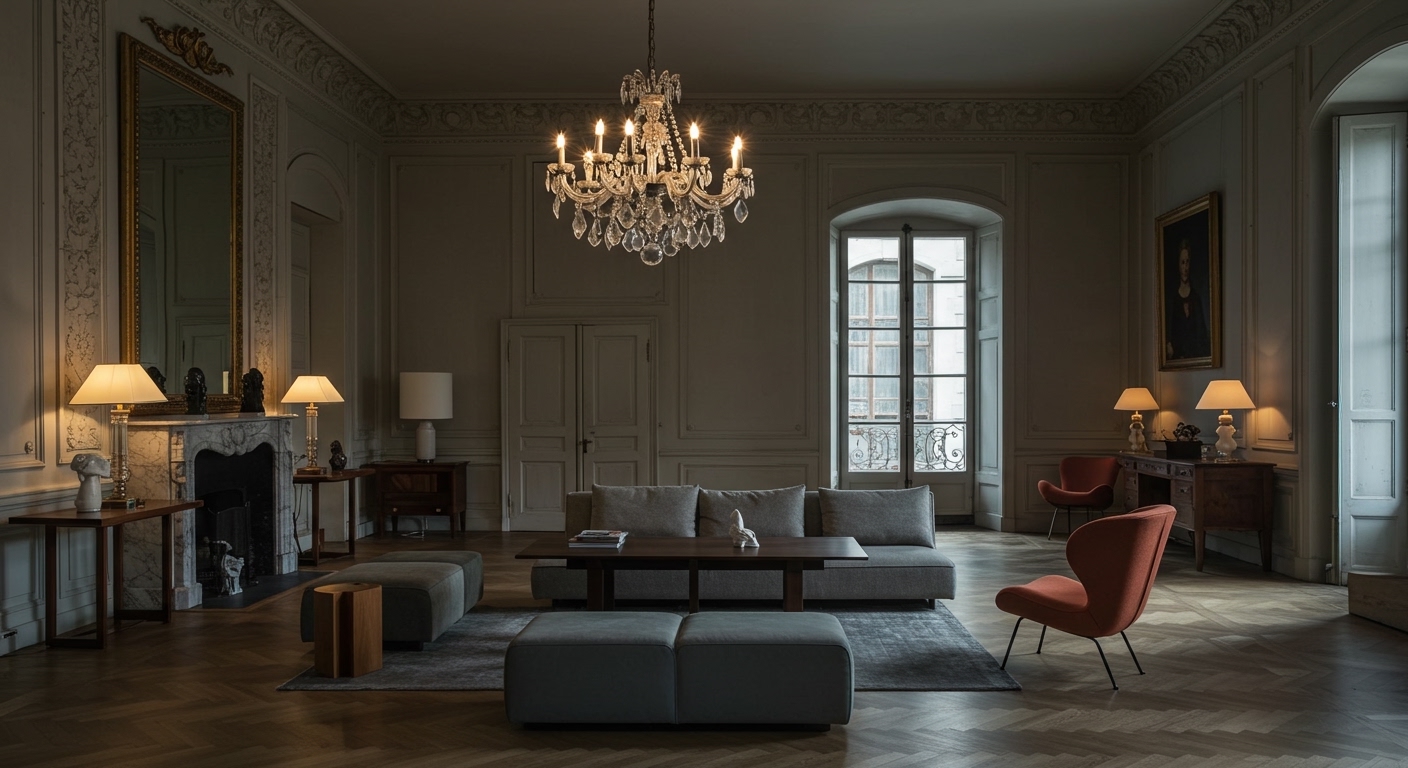
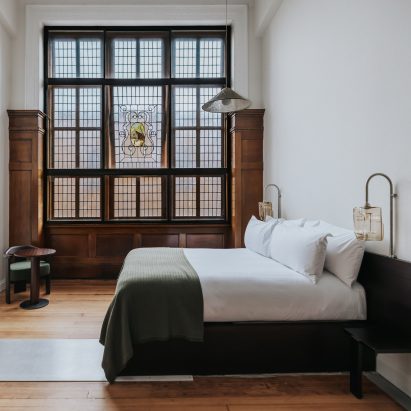
A-nrd’s design for the Arthouse Glasgow hotel exemplifies this approach through its raw, honest material palette within a 19th-century townhouse. While many in the industry might praise this as an authentic celebration of Glasgow’s industrial heritage, a closer look reveals a more sophisticated game. The “honesty” of raw materials – exposed brick, unfinished surfaces – can itself become a new form of curated artifice. It presents a desired narrative of unpolished reality, yet it is a deeply considered and expensive process to achieve this exact level of “rawness” in a controlled hospitality environment. The true innovation lies not in the material’s inherent honesty, but in how it challenges the expectation of pristine finish in luxury, compelling guests to reconsider what tactile quality signifies. The materials engage the senses in a direct, almost confrontational manner, altering the usual human flow through refined spaces by injecting a grounding, gritty texture.
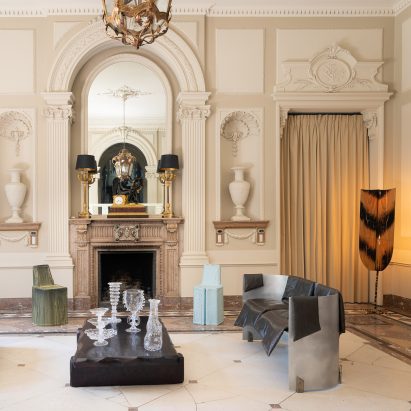
This approach contradicts the mainstream belief that luxury interiors must always aspire to polished perfection or historical fidelity. Instead, it suggests that true luxury now resides in the deliberate subversion of these expectations, inviting a more intellectual and sensory interaction with the space. The tactile experience of a carefully chosen raw surface, or the unexpected form of a contemporary piece like Alexander Kirkeby’s elaborate glass vessels against a neo-gothic backdrop, provides a deeper, more memorable engagement. By mid-2027, this calculated material tension will become a hallmark in high-end residential and hospitality commissions, with designers consciously integrating elements that challenge immediate comfort in favor of intellectual stimulation and nuanced sensory exploration.
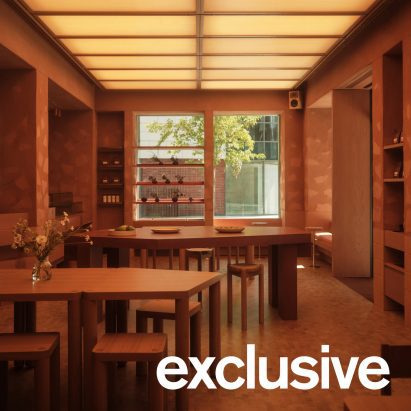
The opposing force to this trend is clearly observed in the commercial imperative behind hyper-branded environments such as the Skims London flagship store designed by Rafael de Cárdenas. The store’s voluptuous interiors and fleshy tones prioritize a monolithic brand immersion, where every surface and form reinforces a singular corporate identity. This strategy aims for immediate, unambiguous recognition and comfort through familiarity, effectively neutralizing any spatial tension or material dissent in favor of brand purity. This approach, while commercially effective for specific markets, works against the nuanced, multi-layered material narratives emerging elsewhere.
Interior professionals must critically assess every material and finish, evaluating its aesthetic contribution alongside the inherent tension or dialogue it creates with its surroundings. This means moving beyond standard mood boards to develop material narratives that intentionally play with contrast, texture, and light, considering how these elements will alter human perception and movement through a space. Specifically, before specifying a “raw” or “honest” material, designers should ask: what established expectation does this material subvert, and what new sensory experience does it actively cultivate beyond its visual appeal? This active questioning moves beyond superficial trends into meaningful design.
TL;DR
Contemporary luxury design now emphasizes deliberate material tension to create intellectual and sensory engagement rather than seamless integration.
Curated References


About this editorial — This piece was developed using AI-assisted research and curation across multiple industry sources. All analysis, opinions, and predictions represent the editorial perspective of JHDD. Sources are linked in the references section above.