JHDD Branding Report — 2026.08.12
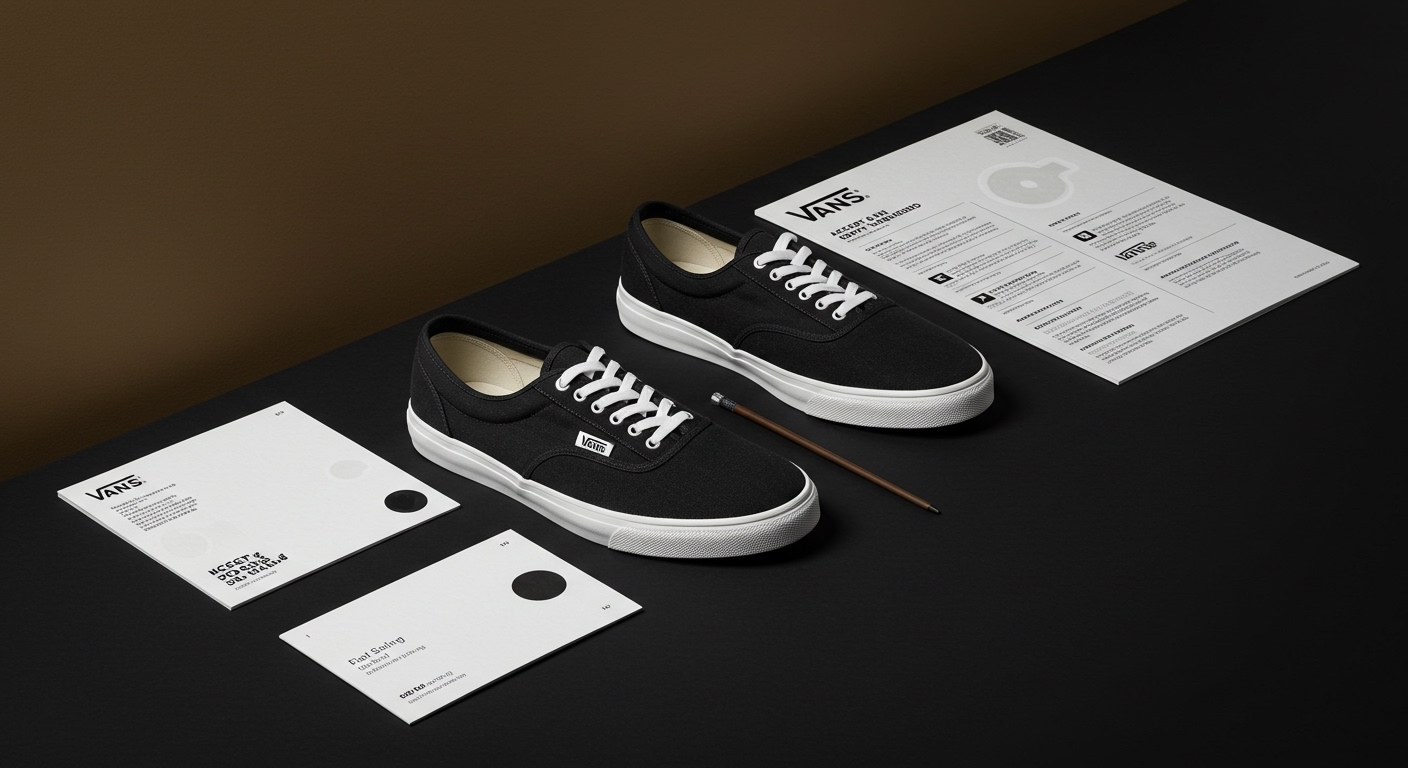
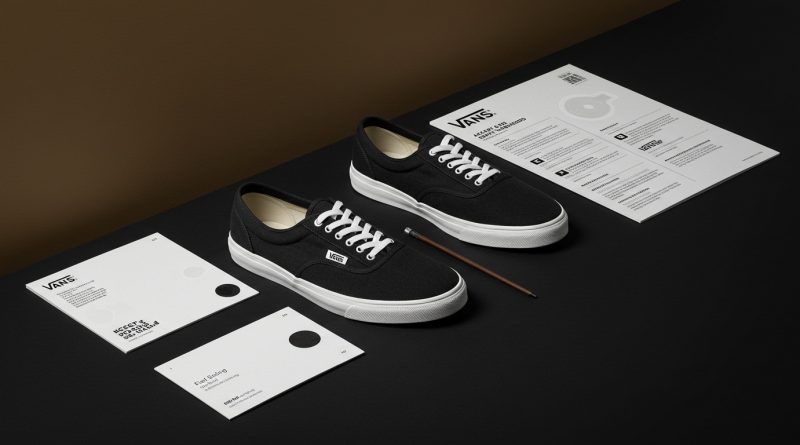
Accept & Proceed’s new brand identity for Vans subtly reinforces the classic three-hole plimsoll, highlighting a strategic shift in how brand equity is perceived.
The recent shifts for brands like Vans and Coca-Cola, alongside the disruptive approaches seen with Ancestrel and LenLen, point to a sophisticated understanding of brand evolution. Brands are either meticulously preserving and amplifying deeply embedded cultural signals or intentionally crafting identities that appear effortlessly distinctive, rather than striving for immediate, overt novelty. This pattern indicates a move away from the expectation of continuous, radical visual reinvention for its own sake.
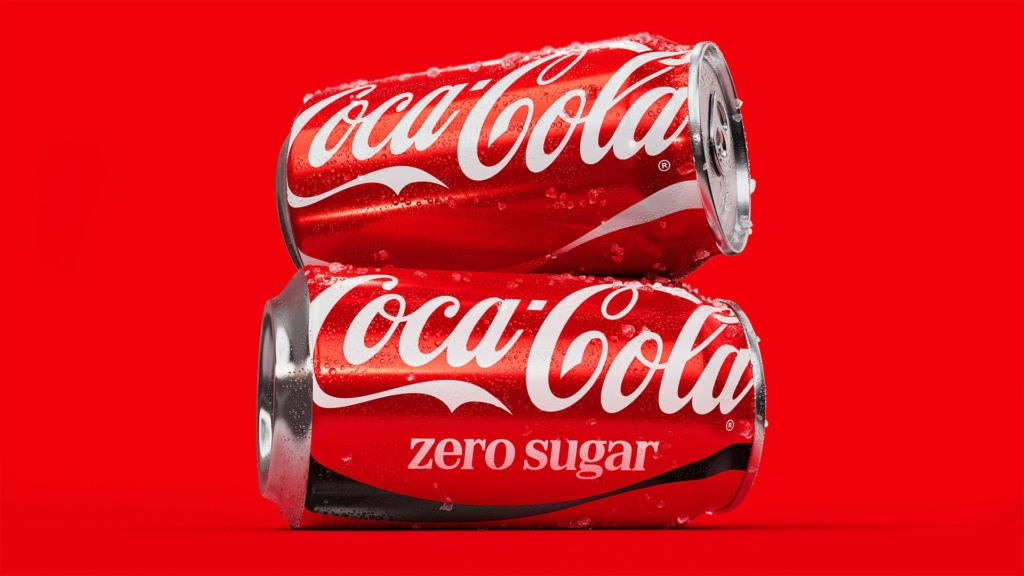
Mainstream industry opinion frequently advocates for significant rebrands every few years to maintain relevance and appeal to new generations. However, JKR’s work for Coca-Cola, where the brand “practically owns a certain combination of red and white; a specific sort of alliterative script serif type,” demonstrates that maintaining a near-invisible brand evolution can be a more powerful strategy for deep-seated brand equity. This approach suggests that a brand’s true strength lies not in its ability to adapt visibly to every passing trend, but in its capacity to remain a constant, reliable cultural touchstone. The perceived lack of overt change becomes a signal of unwavering authenticity, fostering a sense of enduring trust that constant visual updates risk eroding.
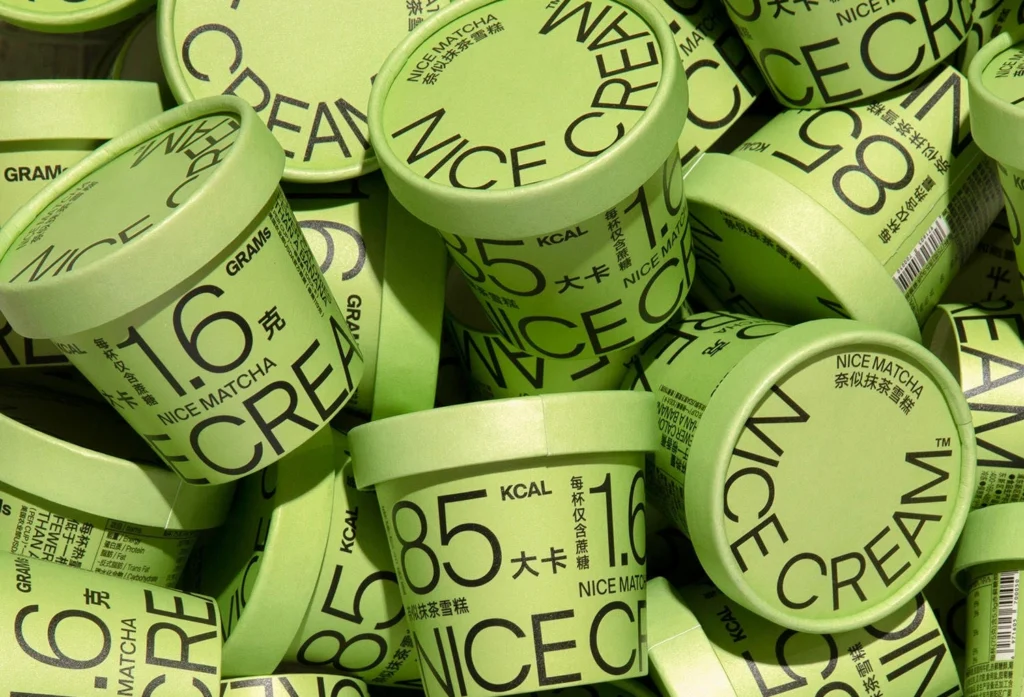
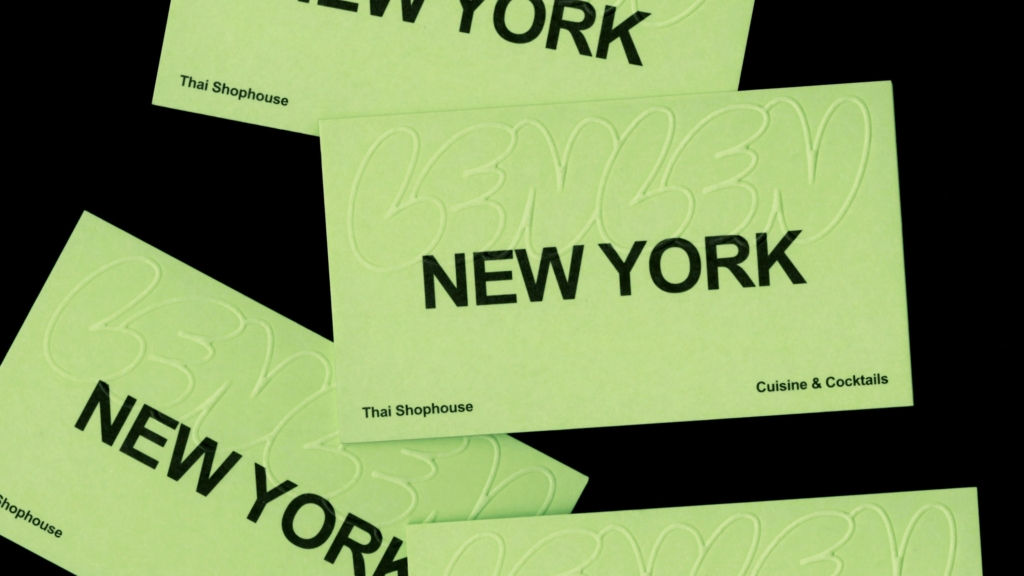
This method applies beyond heritage brands. For newer entities like Ancestrel, All Purpose’s “lurid new identity” strategically ditches established wine clichés, creating a distinctive visual language that carves out a unique market position without appearing to chase trends. The perceived effortlessness, as seen in Pentagram New York’s work for LenLen, which achieves “controlled chaos” without “trying too hard,” becomes a valuable cultural signal. It communicates confidence and a deep understanding of its own identity, rather than an anxious pursuit of external validation through visual novelty or superficial trend adoption. This calibrated approach to identity signals confidence, allowing brands to own unique space. By mid-2027, more brands will adopt a “brand-as-anchor” strategy, resisting overt redesigns unless the brand’s core purpose or fundamental cultural context shifts, recognizing that stable visual identity can be a competitive advantage.
The prevailing pressure from design agencies seeking high-profile, portfolio-worthy transformations, coupled with internal marketing departments often looking for visible campaign launch points, creates a significant opposing force. Additionally, the proliferation of digital design tools and readily available trend reports can create an illusion that constant visual refresh is both easy and necessary, fostering internal anxieties about perceived stagnation rather than a genuine strategic need to evolve.
Branding professionals should, this week, audit a client’s existing visual assets. The goal should not be to identify what needs changing, but rather to map the specific, deeply embedded cultural signals and visual equity that already exist. Identify the “Vans plimsoll” or “Coca-Cola red” in their brand’s current identity, and then define the strategic value of its continuity and how to amplify it, before considering any form of visual disruption. This approach grounds future identity decisions in existing equity, ensuring changes serve the brand’s long-term cultural positioning.
TL;DR
Effective brand strategy prioritizes amplifying existing cultural equity or authentically disrupting category norms over superficial visual reinvention.
Curated References

About this editorial — This piece was developed using AI-assisted research and curation across multiple industry sources. All analysis, opinions, and predictions represent the editorial perspective of JHDD. Sources are linked in the references section above.