JHDD 3D Modeling Report — 2026.08.11
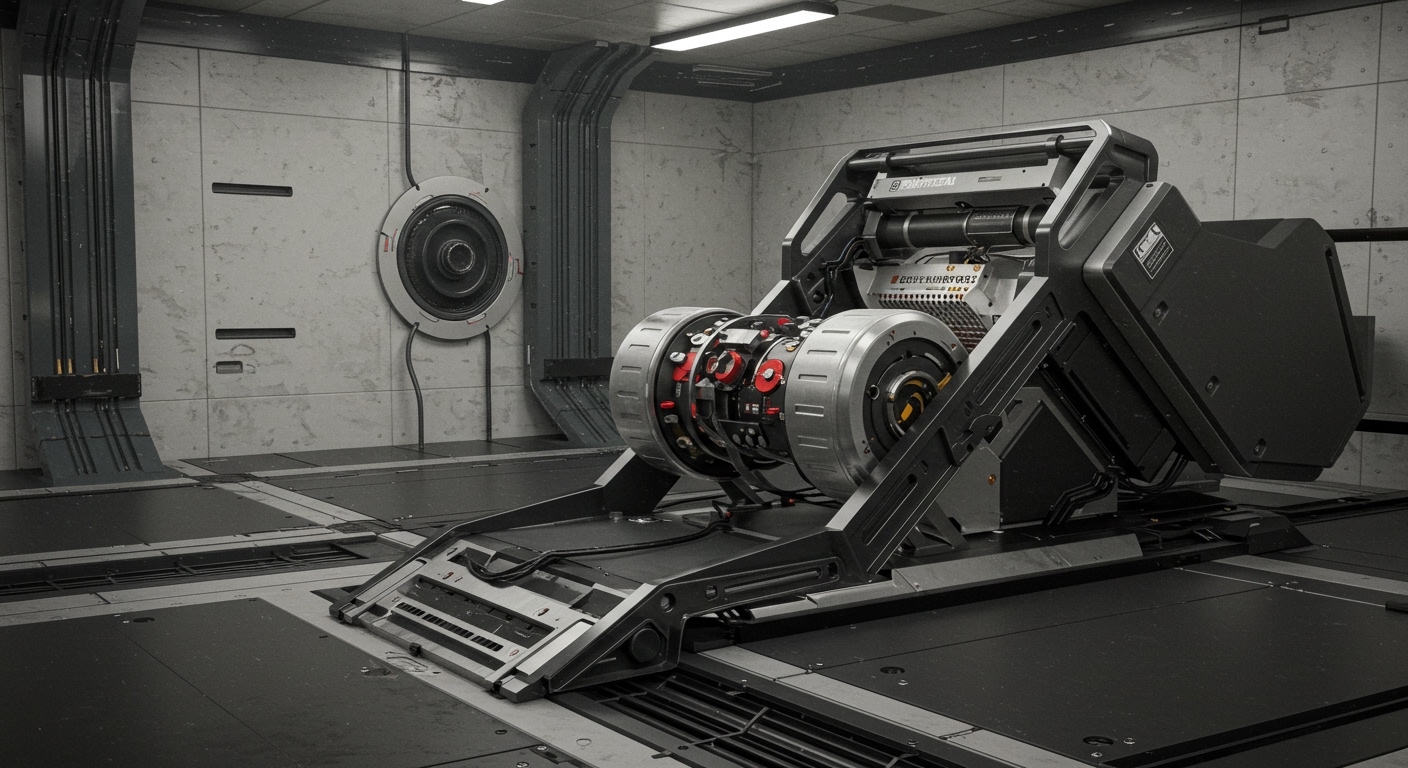
Antonio Lattanzio’s Box3D Integration for Unreal Engine 5, offered completely free and open-source, exemplifies a significant shift in digital content creation.
The convergence of free, robust engine plugins like Box3D and MableLink, alongside the immediate commercial success of titles like tinyBuild’s ReStory and community-driven projects such as Crementif’s Legend of Zelda VR mod, reveals a clear pattern. Advanced tools for virtual space construction, hyper-realistic rendering, and sophisticated procedural systems are no longer exclusive to large development houses. Instead, capabilities once requiring extensive R&D are now broadly accessible, allowing individuals and small teams to generate complex virtual worlds and highly immersive experiences with unprecedented speed and fidelity.

The mainstream industry frequently posits that ground-breaking hyper-realism and intricate procedural generation demand bespoke engine development or immense budgets. This perspective overlooks the profound impact of democratized toolsets. Consider the “Ori-Style 2D Water System in Unity,” which achieves its dynamic visual fidelity through “procedural generation, shader magic, some rendering gymnastics, and a bit of math for the ripples.” This sophisticated effect, once a signature of high-budget productions, demonstrates how accessible engines and shared knowledge now empower individual developers to tackle complex rendering challenges. The technical complexity involved, especially in lighting dynamics and material interactions, is now manageable for small teams by leveraging these widely available resources. The true bottleneck has shifted from resource scarcity to the creative and intelligent application of readily available technology.
The conventional wisdom that large-scale visual complexity is locked behind proprietary walls is eroding. The rapid adoption of free plugins and open-source solutions indicates a future where innovation flourishes outside traditional corporate structures. These tools dramatically lower the entry barrier for creating highly detailed virtual spaces, allowing for rapid iteration and experimentation with diverse aesthetic styles. By mid-2027, the visual benchmark for independent game titles and architectural visualizations will have dramatically risen, with hyper-realistic textures, advanced lighting dynamics, and procedurally generated environments becoming common. Expect independent studios to consistently deliver virtual spaces rivaling the visual quality of major productions from just a few years prior, particularly in areas leveraging advanced material graphs and procedural asset pipelines, further blurring the lines between amateur and professional output.
This accelerating trend faces resistance primarily from the ingrained operational inertia within larger, established studios. These organizations often operate with complex, proprietary pipelines that are slow to integrate or fully trust open-source alternatives. Perceived lack of formal vendor support, the substantial cost of retraining extensive teams, and strict internal security policies regarding third-party and community-developed solutions present significant hurdles to adoption. This resistance creates a widening gap between agile, innovative indie development and the slower, more cautious evolution of legacy systems.
A working 3D Modeling professional should immediately integrate open-source plugins into their workflow for evaluation. Instead of waiting for officially sanctioned updates, dedicate time this week to experimenting with tools like MableLink for seamless asset transfer between Maya, Blender, and Unreal Engine 5, or exploring specific procedural asset generation scripts shared on GitHub. Focus on understanding how these freely available resources can enhance interoperability and automate repetitive tasks, directly contributing to more efficient creation of complex virtual spaces and hyper-realistic assets.
TL;DR
Open-source and free tools are making high-end virtual creation accessible to everyone.
Curated References
About this editorial — This piece was developed using AI-assisted research and curation across multiple industry sources. All analysis, opinions, and predictions represent the editorial perspective of JHDD. Sources are linked in the references section above.