JHDD Architecture Report — 2026.08.11
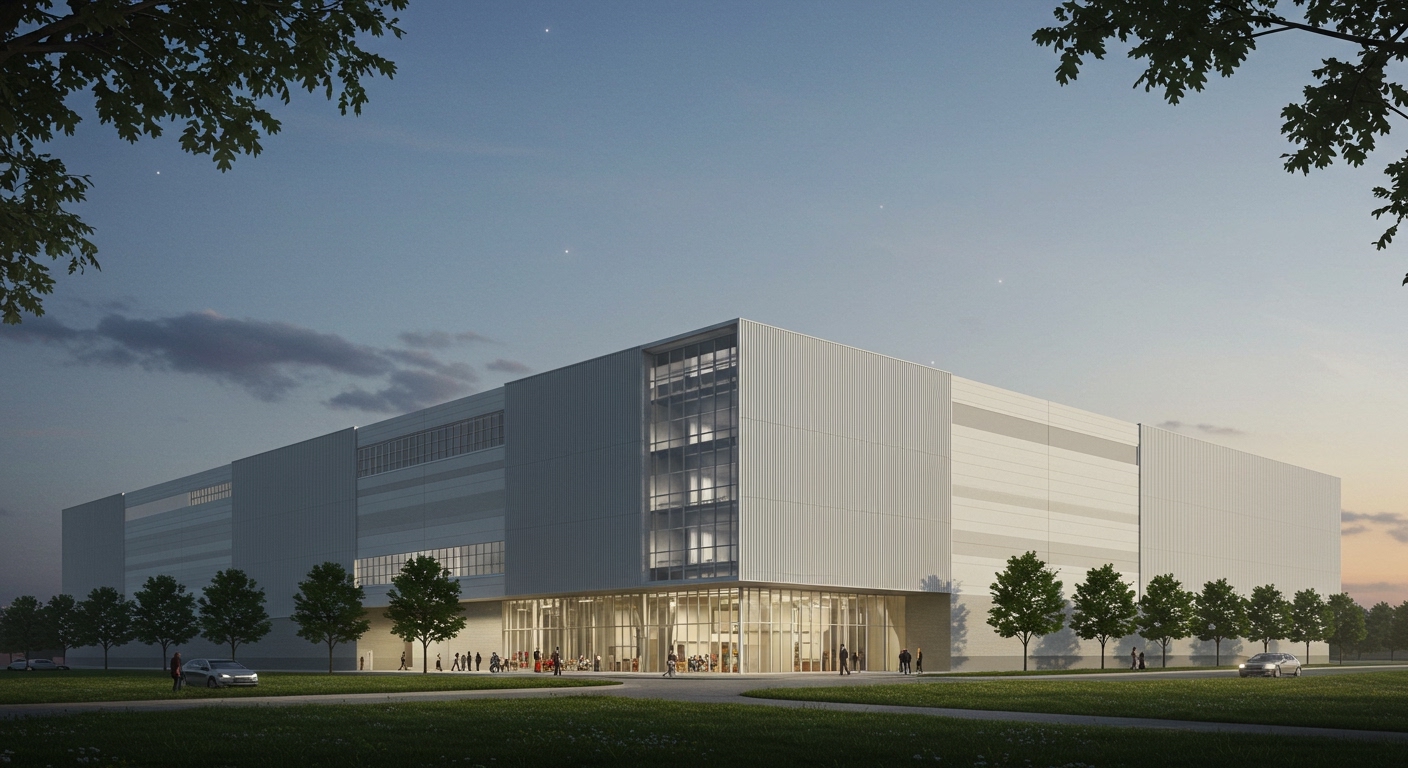
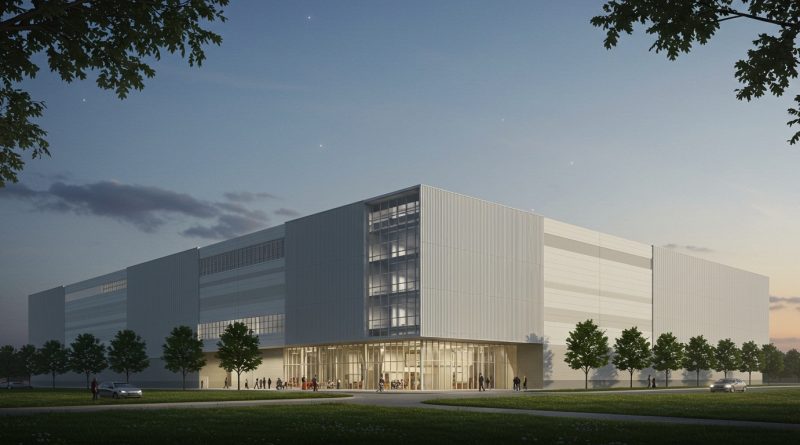
The planned Terafab factory in Grimes County, set to exceed 100 million square feet, exemplifies an architecture of pure quantitative ambition.
Across recent announcements, a distinct bifurcation in architectural intent has become apparent. On one side are projects that embrace extreme scale, technological replacement of labor, and a singular focus on industrial output. These developments push the boundaries of size and automation without clear regard for their broader environmental or civic integration. Conversely, other projects demonstrate a deep commitment to contextual sensitivity, material honesty, and active ecological contribution, often operating at a human-centric scale.

The proposal for Terafab by Elon Musk’s companies, SpaceX and Tesla, provides a stark example of this first tendency. Mainstream industry discourse often frames such immense industrial structures as symbols of progress and efficiency, necessary for technological advancement. However, an architect rooted in urban responsibility and material honesty views a 100 million square foot building not as a triumph of scale, but as an urban void. Such a structure fundamentally ignores principles of integrated urbanism, creating vast, single-function zones that consume land and resources at an irresponsible rate. Its material logic, focused on rapid deployment, risks prioritizing extractive processes over circularity or long-term ecological balance.
This pursuit of extreme scale, devoid of human or ecological consideration, represents a structural philosophy where the building becomes a mere container for industrial process, rather than a contributor to its environment. The sheer volume of materials required for a project of Terafab’s dimensions places immense pressure on supply chains and obscures the true embodied carbon footprint. By late 2028, the industry will confront more precise and legally binding requirements for embodied carbon reporting on projects exceeding specific size thresholds, moving beyond abstract sustainability claims to verifiable material accountability.
The primary opposing force to architectural responsibility in these contexts is not a lack of design capability, but rather the relentless drive of venture capital and market demand for immediate, maximal output. This economic pressure, often cloaked in the language of “innovation,” prioritizes speed and cost efficiency over long-term environmental stewardship, material lifecycle, or integrated urban planning. It values a single, colossal factory for chip manufacturing over a network of smaller, more integrated facilities that could foster local economies and distributed ecological benefits, akin to the localized regenerative approach of the HAIN Vineyard Facilities.
Architecture professionals must advocate for detailed material transparency in every project, regardless of scale. This week, architects should begin integrating specific deconstruction clauses into project contracts, requiring detailed plans for material recovery and reuse at end-of-life. This ensures that buildings are designed not just for their operational phase, but for their entire material lifecycle, anticipating future adaptation and regeneration.
TL;DR
Contemporary architecture is divided between hyper-scaled industrial ambition and the imperative for ecological and urban integration.
Curated References



About this editorial — This piece was developed using AI-assisted research and curation across multiple industry sources. All analysis, opinions, and predictions represent the editorial perspective of JHDD. Sources are linked in the references section above.