JHDD Web Design Report — 2026.08.09
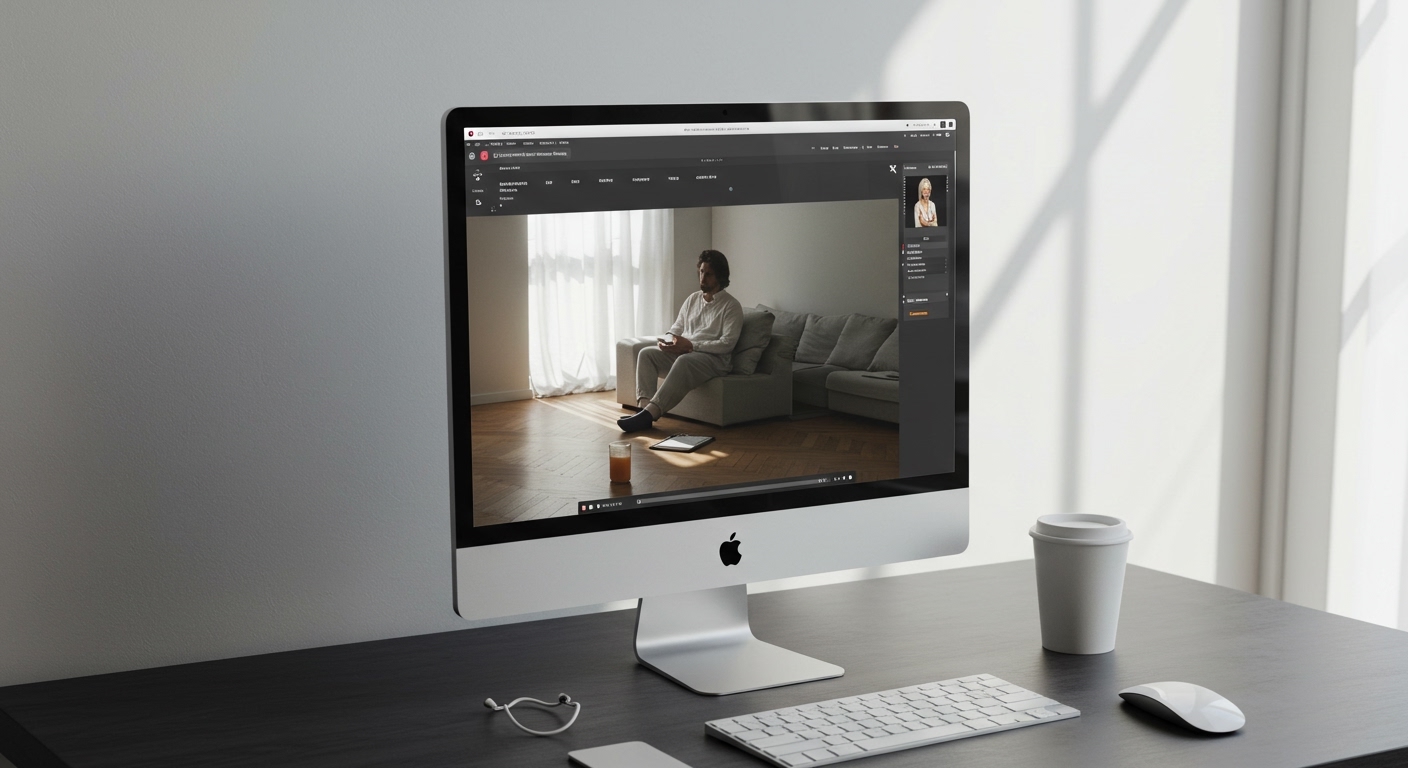
Chems.Studio’s “quiet, flexible digital framework” for its film-led website signals a profound reorientation in front-end craft. This measured approach, prioritizing a calm user experience over overt theatrics, represents a broader industry undercurrent towards precision and foundational understanding.
Underpinning these varied efforts is a shared commitment to deep understanding of web fundamentals, intentional design, and a meticulous approach to implementation. Whether it is the granular exploration of the HTML dialog element’s nuances on CSS-Tricks, PX PUSH building its site around an “old, always-on machine” beneath a modern stack, or the “tiny WebGPU and TSL experiment” in Garden Anomaly, the common thread is a focused engagement with the underlying mechanics of the web. These projects demonstrate a drive to master individual components and technologies, using them with purpose rather than merely adopting the latest framework.

Chems.Studio exemplifies a growing trend towards deliberate, understated craft on the web. Its film-led website, constructed with a “quiet, flexible digital framework,” prioritizes an experience rooted in content and context. This design philosophy directly addresses the often-overlooked performance overhead of excessive motion or complex, opinionated frameworks. The emphasis on flexibility and quietude suggests a respect for the user’s focus and the content’s integrity, influencing layout choices that are clean and adaptive, and typography that serves legibility and atmosphere without demanding attention. The project shows that sophisticated web experiences do not inherently require aggressive animation or bespoke component libraries; they require thoughtful application of standard features.
This focus on fundamental integrity, seen also in the granular exploration of the dialog element, stands in opposition to the prevailing industry narrative that champions speed of delivery above all else, often at the expense of deep understanding or long-term maintainability. Mainstream opinion frequently equates “modern” with heavy client-side rendering and complex JavaScript-driven animations for every interaction. However, the true craftspeople recognize that optimal performance and user experience often derive from a judicious use of browser primitives and a deep understanding of CSS layout capabilities. This approach, while seemingly slower in initial setup, ultimately yields more resilient, performant, and accessible outcomes. By mid-2028, this focus will inevitably lead to a resurgence of component architecture built primarily on native browser features and lighter, purpose-built JavaScript where absolutely necessary.
The persistent allure of rapidly deployed, feature-rich frameworks and the immediate demands of project deadlines often overshadow the value of foundational exploration. Project managers prioritizing aggressive timelines and developers accustomed to abstracting away browser specifics through large libraries frequently resist this meticulous, standards-first approach. The 2026 State of CSS survey results, while highlighting new features, also implicitly reveal ongoing gaps in the widespread, deep understanding of existing CSS capabilities, suggesting a continuous tension between adoption of new syntax and mastery of fundamentals.
A working web design professional should dedicate time this week to thoroughly explore a core browser primitive, like the HTML dialog element or a specific CSS layout module. Understand its full capabilities, its accessibility implications, and how it can be styled and manipulated with minimal JavaScript, then apply that knowledge to refactor an existing component or build a new one.
TL;DR
Crafting excellent web experiences now demands deep engagement with foundational web technologies and deliberate design choices.
Curated References
About this editorial — This piece was developed using AI-assisted research and curation across multiple industry sources. All analysis, opinions, and predictions represent the editorial perspective of JHDD. Sources are linked in the references section above.