JHDD 3D Modeling Report — 2026.08.08
BR1: INFINITE reportedly pays players real cash for in-game achievements.
The current landscape reveals a consistent tension between the intrinsic value of virtual assets, the systems designed to monetize them, and the established legal frameworks governing their creation and deployment. This tension is not about the mere existence of digital goods, but about the control, ownership, and accessibility of digital experiences that increasingly mimic or influence physical reality.
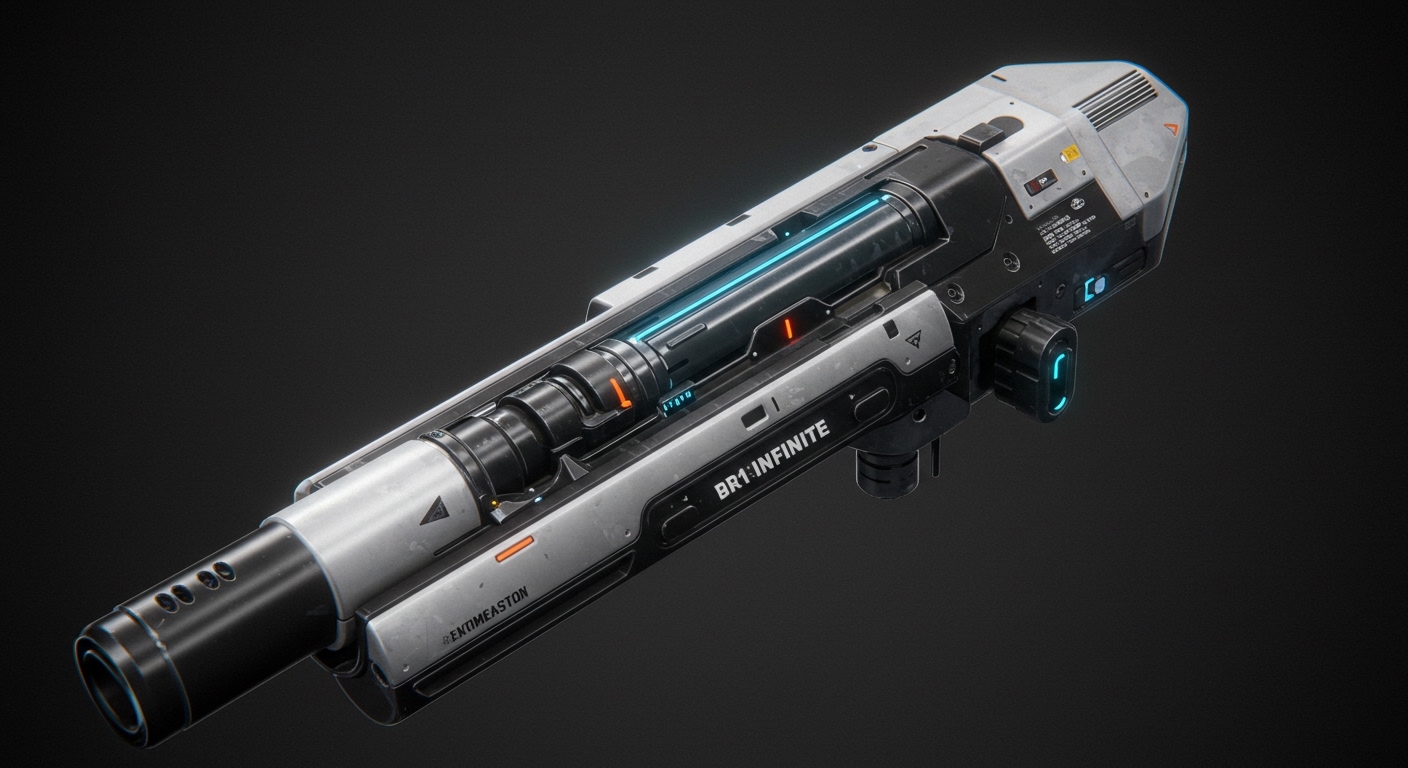
The mainstream industry narrative often posits that the pursuit of hyper-realism and ever-more complex virtual spaces is paramount for engagement and value. This view, however, overlooks a critical aspect: the administrative burden and friction such complexity often introduces into virtual spaces. BR1: INFINITE, which aims to create a high-stakes, real-money economy, illustrates this. Its promise of real cash for eliminations, loot, and skill points to a future where virtual spaces are directly linked to tangible financial outcomes. Such a model demands robust infrastructure, advanced anti-cheat measures, and seamless server performance for hyper-realistic environments to maintain integrity. Yet, the limited spots and PC requirement for BR1: INFINITE, alongside player complaints regarding access to Tom Clancy’s Game, suggest that the underlying systems supporting these high-value, high-fidelity virtual economies are still fragile. Access is not guaranteed, and the perceived value of an experience can be severely undercut by technical limitations or administrative hurdles, regardless of graphical sophistication.
A common opinion holds that the more photorealistic a virtual space, the more immersive and inherently valuable it becomes. This perspective is incomplete. The rapid virality of the low-poly Blender animation of the Milk Face Kitten, for instance, demonstrates that creative expression, cultural resonance, and accessibility can generate immense engagement without demanding cutting-edge realism or complex lighting simulations. In fact, an overemphasis on hyper-realism can inadvertently create barriers, escalating production costs and technical demands that limit broader participation and dynamic evolution within virtual spaces. The crucial determinant for virtual space longevity and adoption will not solely be visual fidelity, but rather the seamless integration of functional procedural elements that drive dynamic interaction, secure asset management, and robust, equitable access. Effective lighting dynamics are key here; not necessarily about replicating reality, but about creating legible and responsive environments. By early 2028, the most successful virtual economies will prioritize seamless procedural generation of dynamic content and transparent, real-time lighting mechanics, enabling broader participation and lower entry barriers for creators and users alike, rather than static, pre-rendered hyper-fidelity.
The most significant opposing force against the fluid integration and independent valuation of digital assets comes from established intellectual property holders and traditional governance structures. Japan’s repeated requests to the US Government to cease using Pokémon, Naruto, and Mario IPs in political content without permission highlight this conflict. These entities seek to maintain strict control over their brands and visual identities, often seeing unsolicited digital recontextualization as dilution or infringement. This legal and political friction complicates the autonomous development of virtual economies and prevents the organic evolution of digital culture, as it forces new virtual content into pre-existing, often rigid, frameworks of ownership.
This week, a 3D Modeling professional should dedicate time to developing a procedural generation toolkit for environmental assets, specifically focusing on a flexible node-based system for dynamic moss, rust, or urban decay. This involves experimenting with real-time lighting interaction, ensuring that procedural elements react authentically to varying light sources and shadows without pre-baked maps. This approach directly equips them to contribute to virtual spaces that prioritize adaptability and dynamic realism over static, pre-rendered hyper-fidelity.
TL;DR
The future of virtual spaces prioritizes dynamic procedural systems and accessible interaction over static hyper-realism, challenging traditional IP control.
Curated References
About this editorial — This piece was developed using AI-assisted research and curation across multiple industry sources. All analysis, opinions, and predictions represent the editorial perspective of JHDD. Sources are linked in the references section above.