JHDD Interior Report — 2026.08.06
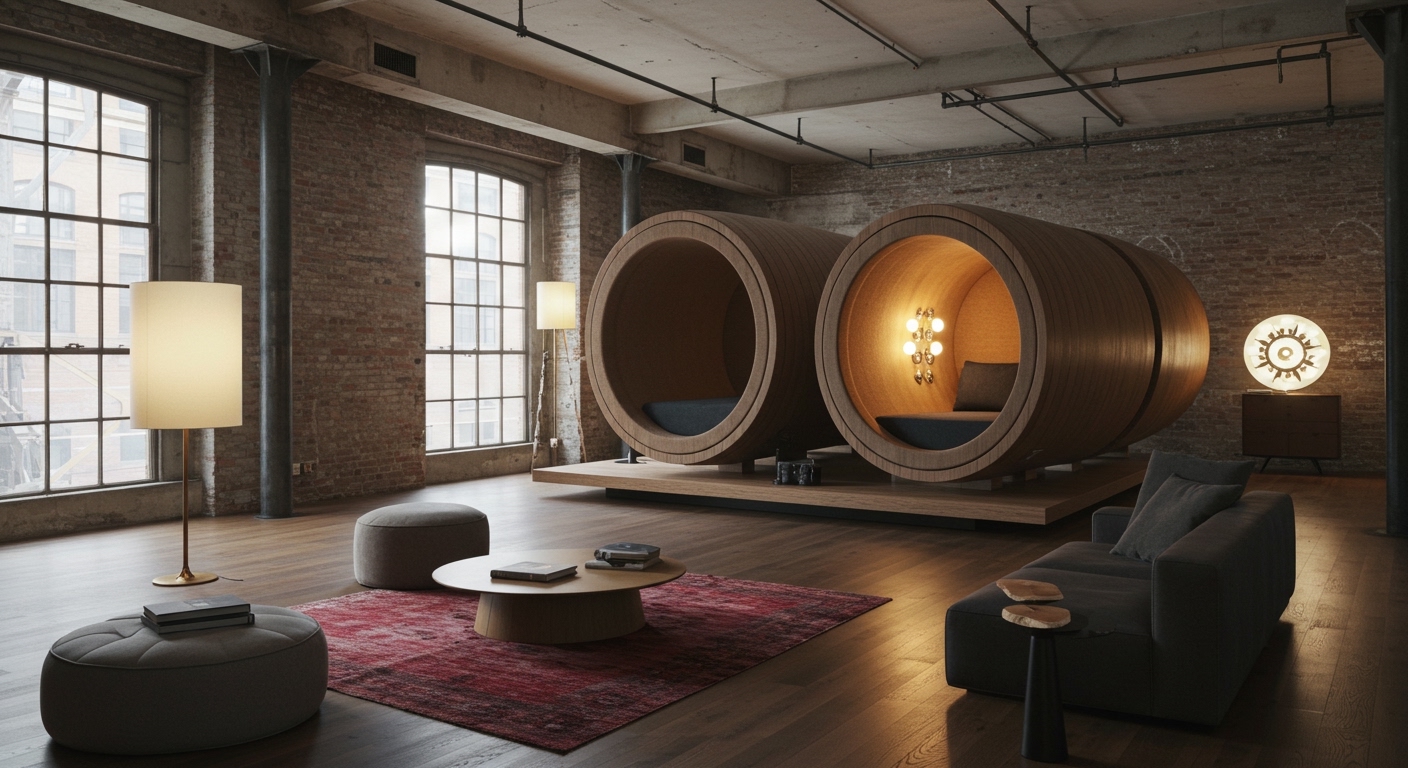
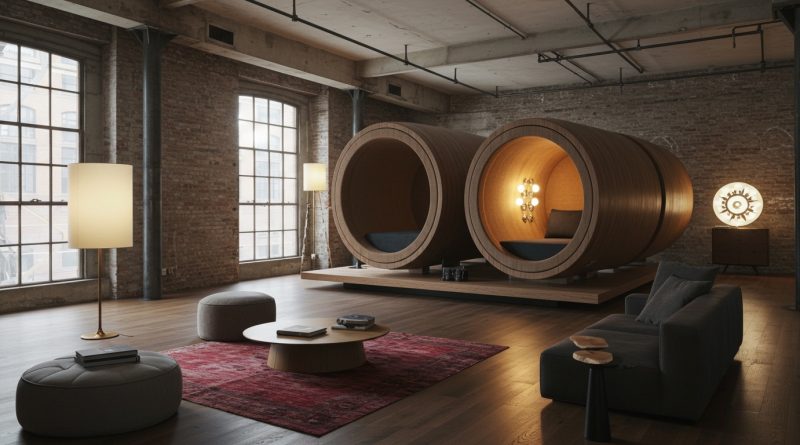
Studio Vural’s renovation of a New York loft introduced “pods in a box” into a former herring canning factory.
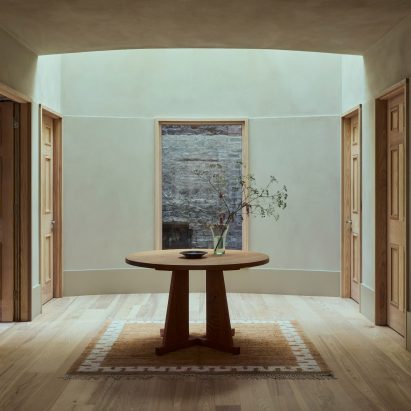
This detailed insertion, alongside Asca Studio and Relief Gallery’s use of tactile materials in the Ómós guesthouse, and Taylor Knights’ “reveal rather than replace” philosophy at Contraband Coffee, points to a common commitment. Across diverse projects, designers are engaging with an existing structure’s history and inherent material qualities, making these elements central to the new spatial narrative. This is not simply about preservation, but about activating forgotten textures and forms within a contemporary luxury context.
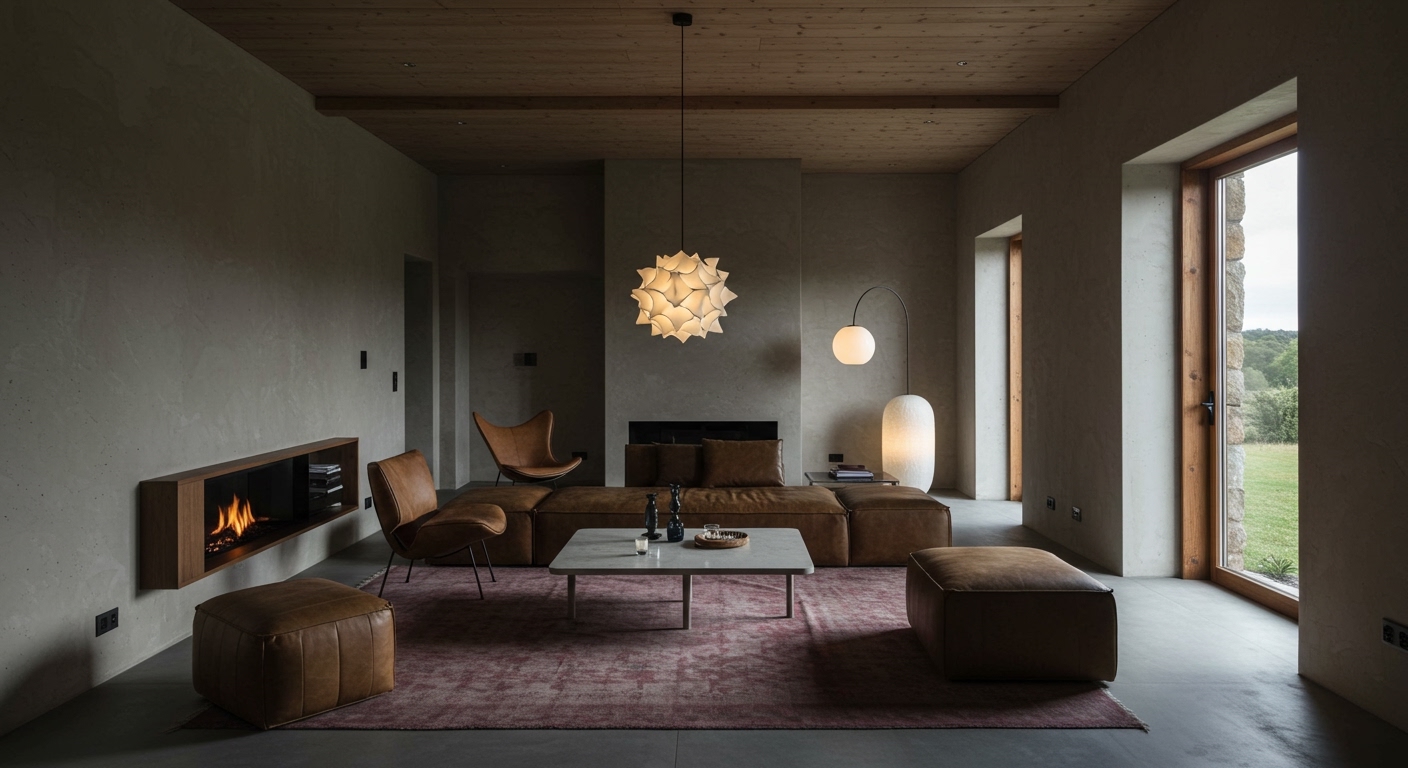
Consider Taylor Knights’ approach for Contraband Coffee, where a stripped-back interior featuring concrete surfaces and timber joinery highlights sustainable production practices. This emphasis on revealing the underlying rather than imposing new is often celebrated as authentic. However, a critical perspective acknowledges this can be a double-edged sword. Mainstream industry opinion frequently lauds such raw aesthetics as inherently honest. Yet, without precise spatial tension and a sophisticated understanding of tactile quality, a “stripped-back” interior can merely feel unfinished or stark, lacking the necessary warmth and human comfort expected in a luxury environment. It demands exceptional skill to ensure concrete remains inviting, or that exposed timber contributes to human flow rather than creating a rigid pathway.
The true mastery lies in elevating these raw elements beyond their utilitarian origins. This requires a deep consideration of how light interacts with irregular surfaces, how acoustics are managed in exposed volumes, and how natural patinas evolve under daily human contact. The current trend of “revealing” will mature into a more intentional and integrated layering of old and new. Within two years, expect to see new material technologies developed specifically to simulate and enhance the aging processes of traditional materials, providing the desired historical depth and tactile richness without compromising modern performance standards.
This considered approach faces significant resistance from commercial pressures favoring rapid project turnovers and the prevailing market demand for sleek, flawless surfaces. Many developers and product manufacturers still prioritize generalized aesthetic appeal and ease of maintenance, often achieved through synthetic materials and standardized modular elements that bypass complex, site-specific material engagement.
A working Interior professional should implement a detailed archaeological survey of existing site materials and construction methods at the project’s outset, not just for structural integrity but to identify unique material characteristics and their potential contribution to the final design’s tactile and atmospheric qualities. This moves beyond schematic planning to deep material forensics, informing a truly integrated design language.
TL;DR
The most compelling interiors are now defined by what they carefully choose to reveal, rather than what they completely reinvent.
Curated References


About this editorial — This piece was developed using AI-assisted research and curation across multiple industry sources. All analysis, opinions, and predictions represent the editorial perspective of JHDD. Sources are linked in the references section above.