JHDD 3D Modeling Report — 2026.08.05
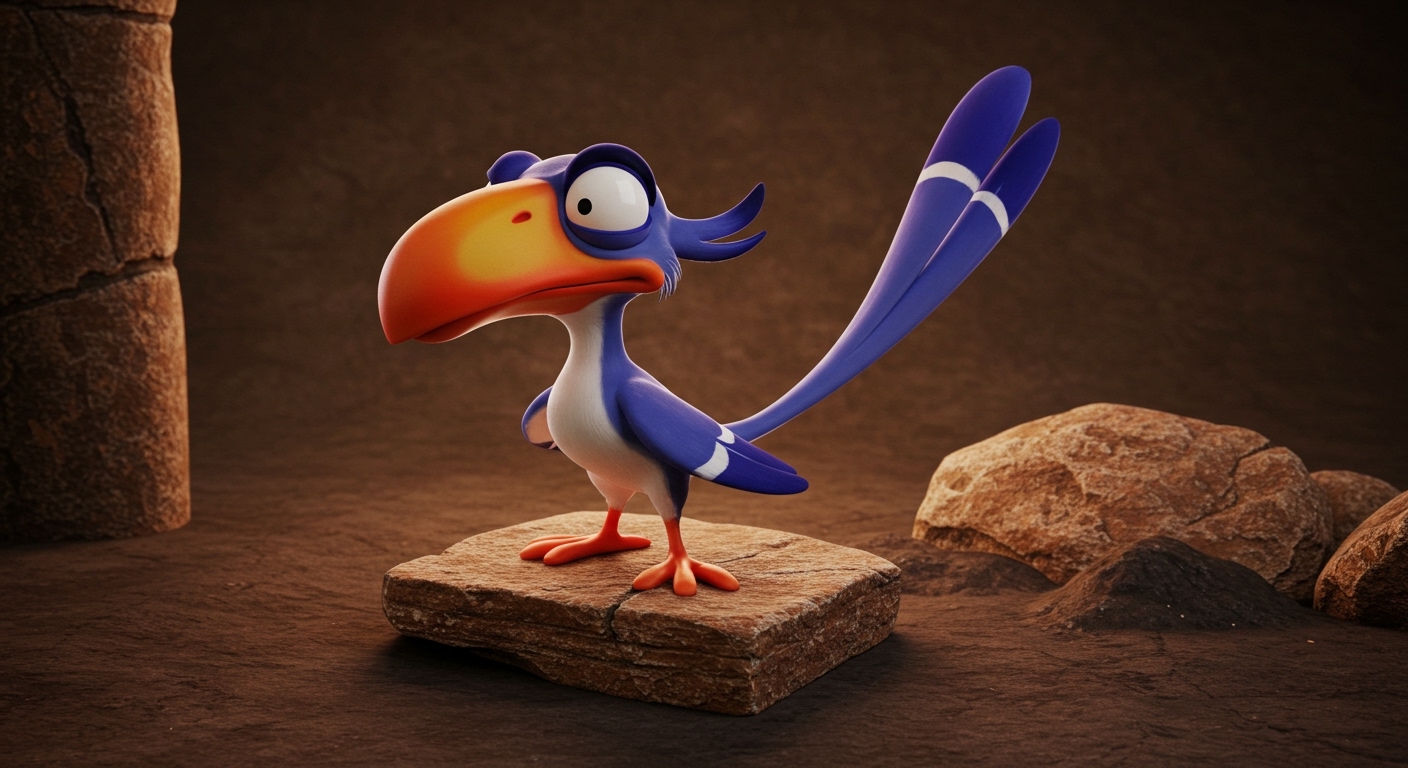
Juan Carlos CR’s stunning 3D recreation of Zazu from The Lion King demonstrates a pursuit of intricate fidelity in character representation.
These recent projects, from the intricate “RCA Cable Hydra” to Kay Hilman’s stylized animated film NOXIOUS, illustrate a consistent evolution in how digital artists leverage procedural generation and precise lighting. The common thread is not simply the choice of realism or stylization, but the increasingly sophisticated methods employed to achieve highly specific visual goals within virtual spaces, often blurring the lines between manual craftsmanship and automated systems. This extends even to the “Demon Robot” project, where advanced modeling inadvertently produced an unexpected aesthetic outcome.
thatgamecompany, with its work on Sky: Children of the Light and the underlying Beyond Engine, offers a compelling case study. Their comprehensive visual development, including Figma workflows for collaborative design, emphasizes a holistic approach to virtual space creation. This studio’s methodology demonstrates that true innovation in 3D art is not measured solely by polygon count or photorealistic texture detail. Mainstream industry opinion often equates advanced 3D art with hyper-realism, pushing for assets that mimic physical reality as closely as possible. This view overlooks the profound impact of meticulously crafted stylized immersion. The perceived “quality” of a virtual environment, especially one designed for sustained engagement, depends more on aesthetic consistency, emotional resonance through light, and intelligent procedural systems than on superficial fidelity to the real world. By mid-2028, leading creative studios will integrate AI-driven procedural lighting systems that adapt dynamically to user input and narrative progression, ensuring a consistent emotional tone without manual artist intervention for every scenario.
The primary opposing force to this sophisticated, intentional design approach is the pervasive demand for rapid asset generation for generic virtual environments, often driven by platform builders and inexperienced clients. This demand frequently prioritizes quantity and perceived “completeness” over aesthetic integrity, leading to the proliferation of generic, uninspired assets that lack unique character or cohesive visual language. The drive to populate “metaverse” experiences quickly often results in reliance on stock asset libraries and default engine settings, hindering the development of distinctive virtual spaces.
A working 3D Modeling professional should dedicate focused time this week to experimenting with the procedural node graphs in Blender or a similar DCC. The objective should be to build a material or a lighting setup that can dramatically shift its aesthetic properties – from hyper-realistic metallic sheen to stylized, diffused glow – by adjusting only three exposed parameters. This practice cultivates a deeper understanding of dynamic material and light behavior, moving beyond static asset creation towards adaptable, intelligent visual systems.
TL;DR
Advanced 3D artistry now demands deeply integrated procedural systems and precise lighting for deliberate stylistic immersion over generic realism.
Curated References
About this editorial — This piece was developed using AI-assisted research and curation across multiple industry sources. All analysis, opinions, and predictions represent the editorial perspective of JHDD. Sources are linked in the references section above.