JHDD Typography Report — 2026.08.05
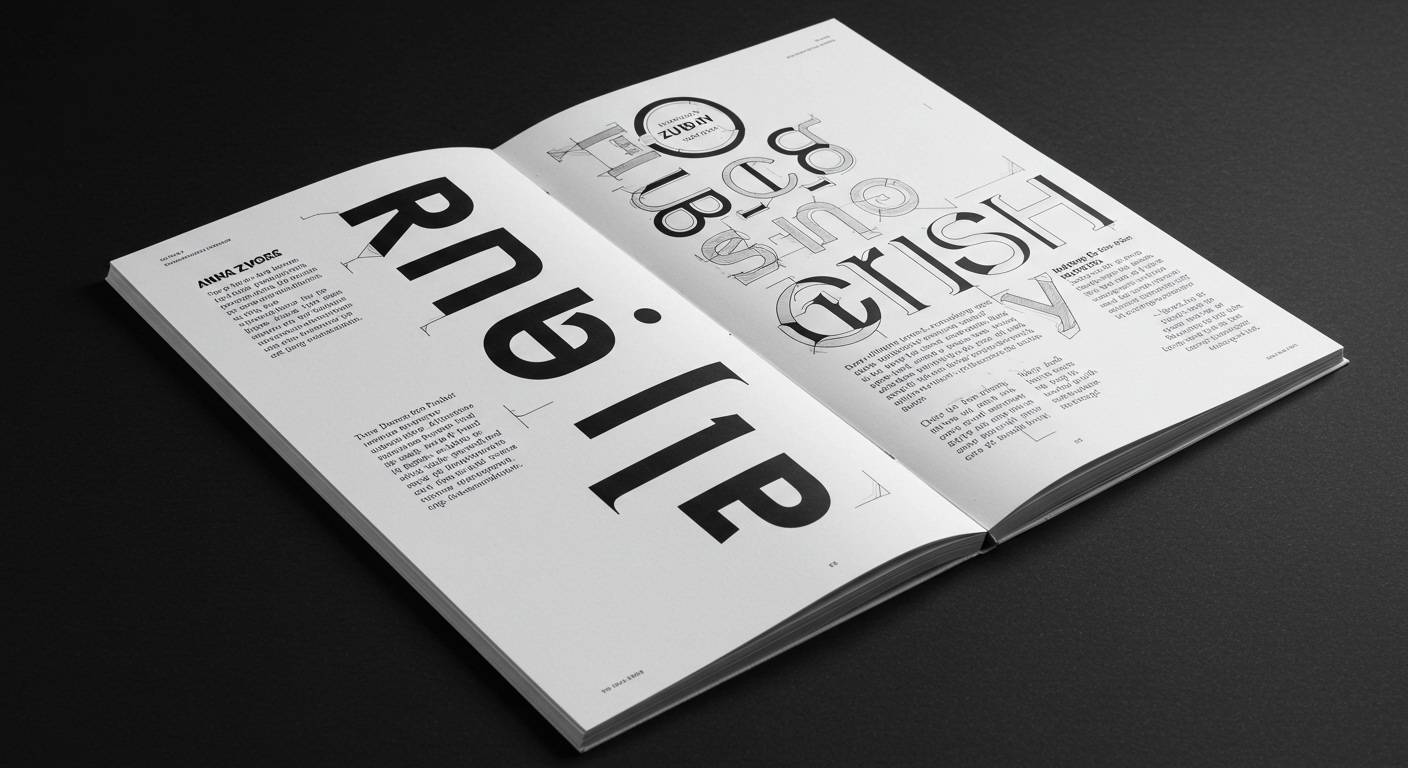
Jayna Zweiman, co-founder of the Pussyhat Project, centers her creative fulfillment on building joyful human connection. This focus highlights a broader shift in design intent, where outcomes extend beyond mere utility or aesthetic appeal.
A specific pattern connects recent design endeavors: a conscious move away from communication solely as information transfer towards an immersive, holistic experience. Whether fostering community, revitalizing language through unconventional means, or crafting visual worlds for music, the emphasis is on comprehensive engagement. Typography in this context often operates not just to ensure legibility but as a foundational element shaping the entire perceptual environment. The “whole” that Thonik describes as mattering to their clients increasingly involves an affective and sensory integration of text and image.
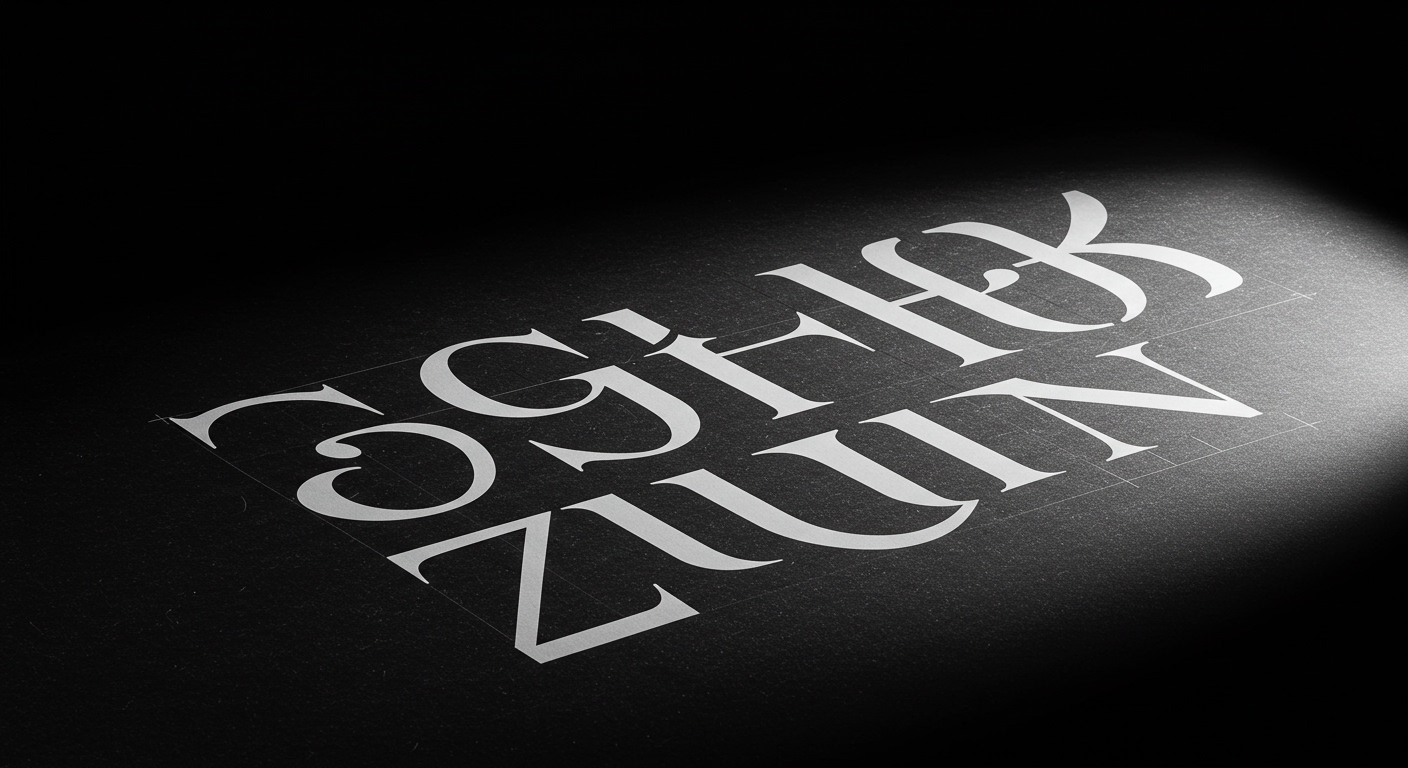
Pianist Sofiane Pamart’s collaboration with designer Adrien Beaujeant for his album “Movie” provides a clear example. Their creation of “immersive visual worlds” for score books challenges the conventional hierarchy where legibility is paramount for musical notation and accompanying text. In mainstream typography, the clarity of a letterform or the precise alignment within a grid system typically serves the swift and unambiguous decoding of information. However, Pamart and Beaujeant’s approach suggests a different value: conceptual letterforms and dynamic grid systems that contribute to an emotional or atmospheric texture, rather than strictly facilitating reading speed. This contradicts the prevailing industry opinion that type’s primary role is always transparent information delivery, asserting instead that its expressiveness can be the core message itself. These visual compositions transform text into an experiential component, where the grid dictates rhythm and visual weight as much as it defines spatial organization. By mid-2027, design education programs will likely introduce specialized modules focusing on typographic composition for synesthetic and immersive experiences, distinct from traditional editorial design.
This evolving emphasis on experiential typography faces resistance from deeply entrenched practices within editorial design and publishing. The historical imperative for optimal legibility, particularly in high-volume information dissemination and educational materials, remains a powerful counterforce. Many legacy type foundries and software developers continue to prioritize the efficiency and neutrality of their products, assuming a user base that values speed and ease of reading above all conceptual or emotional overlays. Grid systems in these environments are often rigid containers for content, designed to ensure consistency and minimize cognitive load, rather than serving as a canvas for interpretive visual narrative.
A working Typography professional should explore using grid systems not as static frameworks, but as dynamic compositional tools that guide the reader’s eye and emotional engagement through a narrative structure. This involves experimenting with how micro-typographic adjustments, such as nuanced kerning and leading, can create visual textures and pacing within a spatial layout, treating letterforms themselves as sculptural elements rather than uniform characters. The objective shifts from maximum legibility to maximum experiential impact.
TL;DR
Typography is moving towards conceptual, immersive experiences, prompting designers to re-evaluate legibility and grid application.
Curated References
About this editorial — This piece was developed using AI-assisted research and curation across multiple industry sources. All analysis, opinions, and predictions represent the editorial perspective of JHDD. Sources are linked in the references section above.