JHDD Packaging Report — 2026.08.05
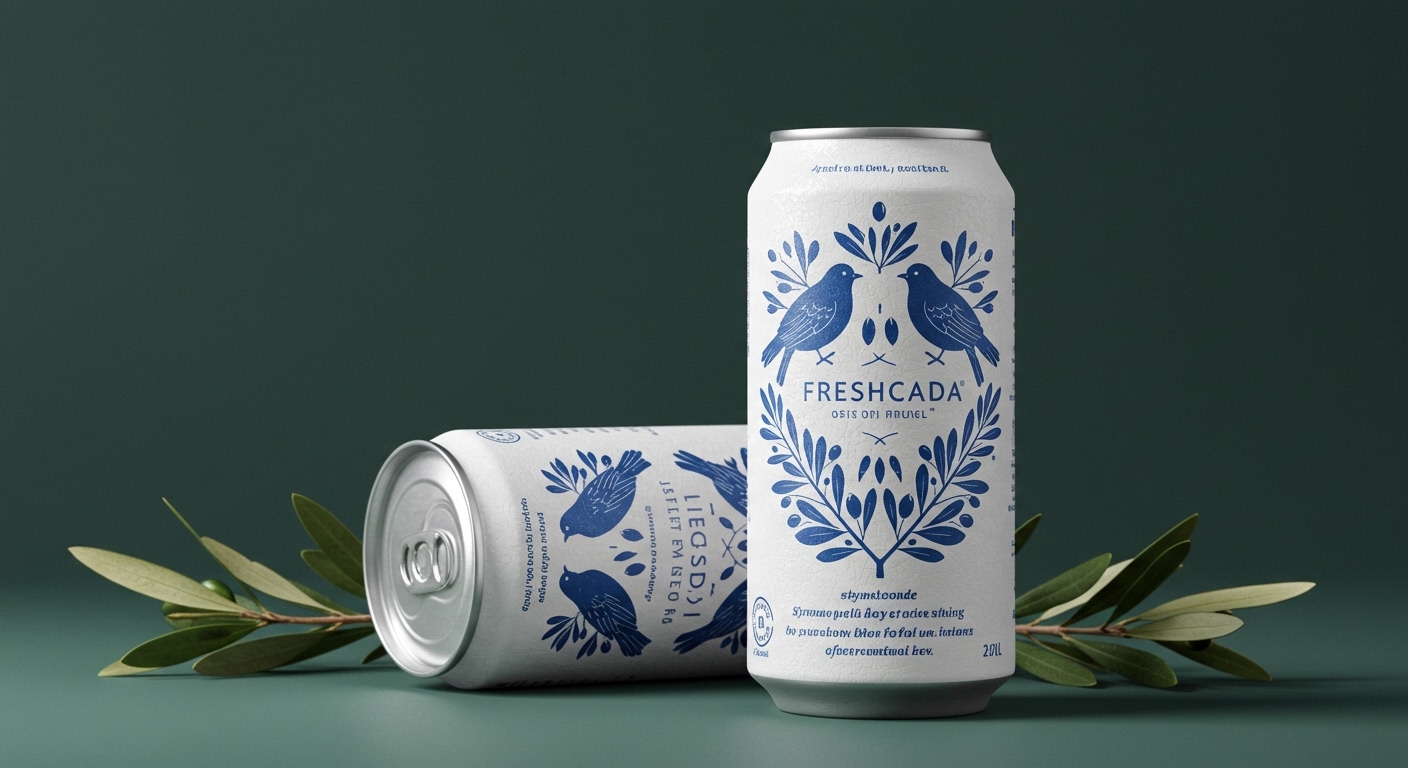
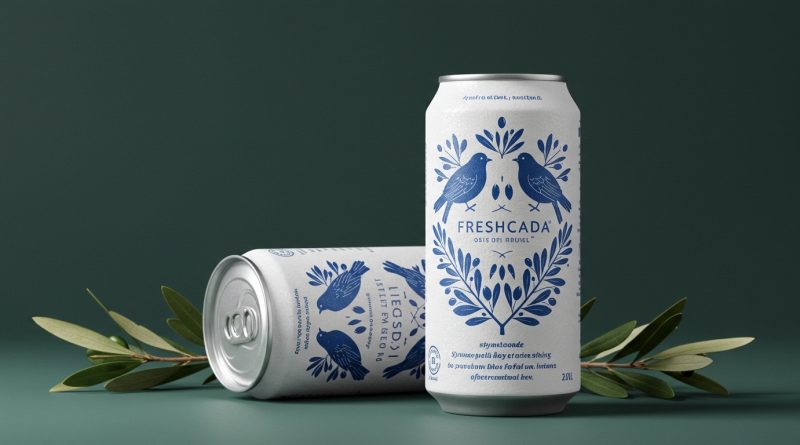
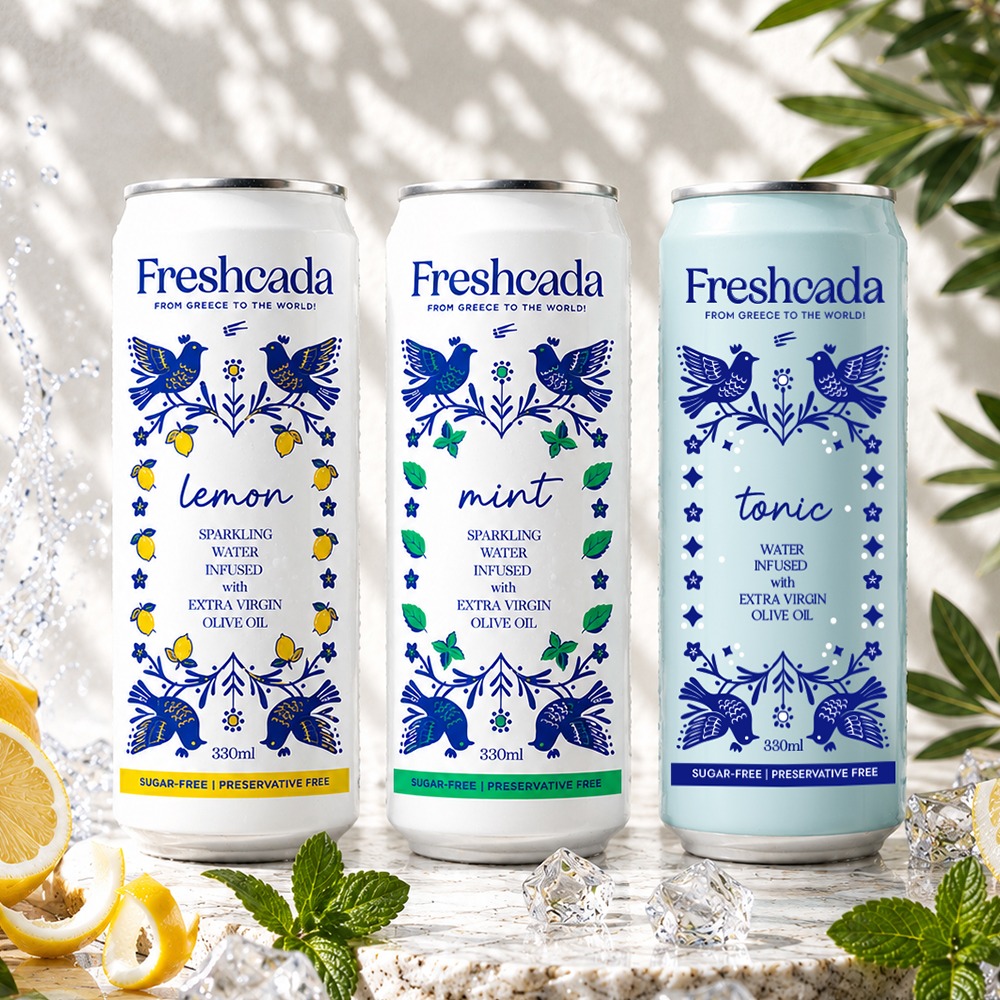
Freshcada’s symmetrical blue birds and olive branches on a crisp white can show a deliberate shift in how functional beverages communicate.
These diverse product stories reveal a collective pivot away from category-standard visual cues. Brands are embracing specific, often handcrafted aesthetics that transform packaging into a tactile or visual object of desire, extending its lifecycle beyond the immediate consumption moment. This shift is not about subtle differentiation, but about bold, almost art-like declarations that demand attention on the shelf and invite longer interaction in the home, moving beyond a container’s purely functional role.
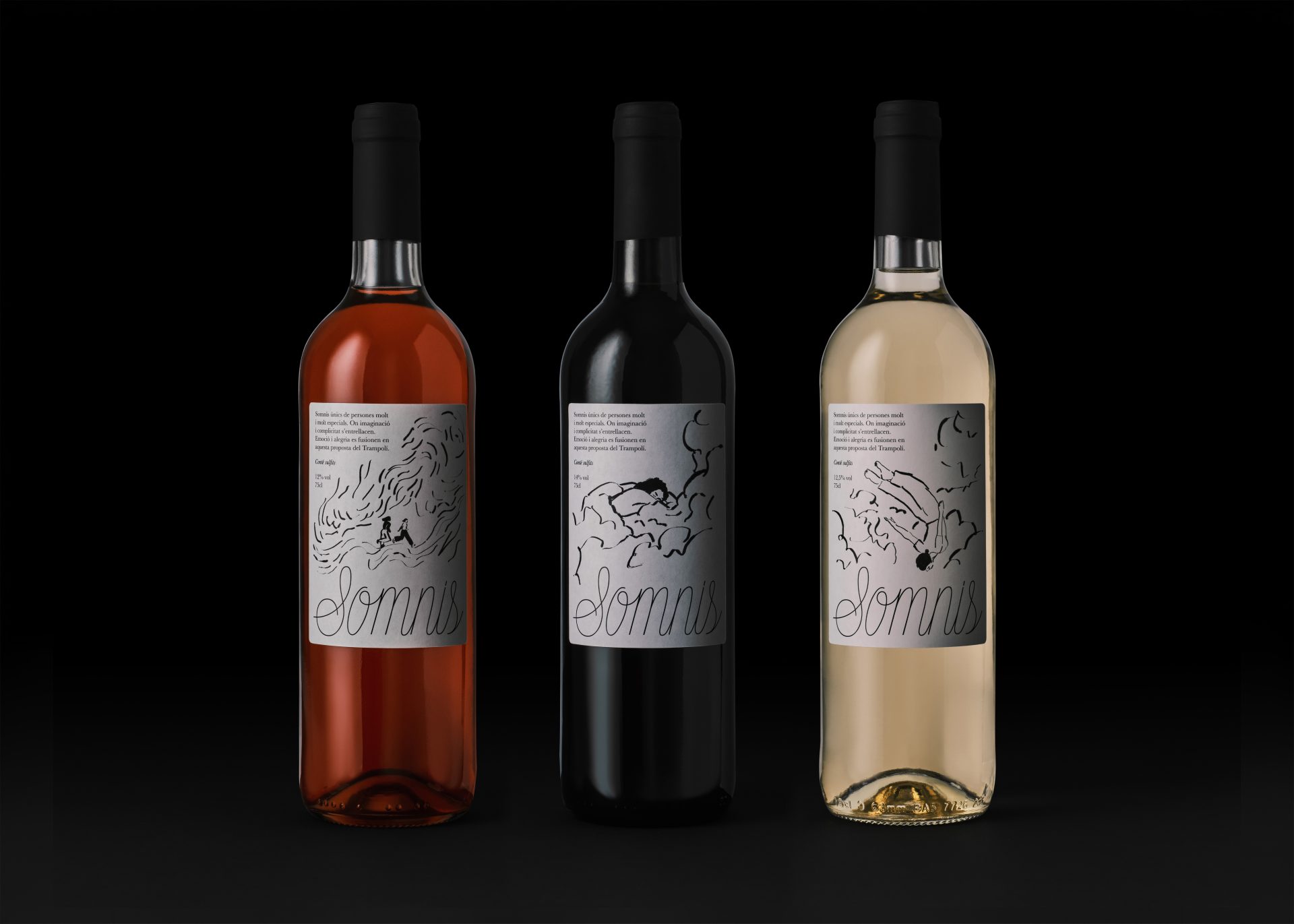
Estudi Jordi Masdeu’s approach for Somnis wine labels exemplifies this trend, featuring loose, sketchbook-style ink illustrations that create a deeply personal and dreamlike narrative. While conventional wisdom in wine packaging often steers towards either stark minimalism or historical opulence to convey quality, Somnis deliberately chooses an intimate, almost vulnerable aesthetic. This contradicts the industry’s often risk-averse pursuit of ‘safe’ design that appeals broadly, suggesting instead that genuine distinctiveness comes from embracing deeply specific visual storytelling. The “small, honest story” on each bottle transcends mere branding; it encourages a sensory connection and elevates the product to a collectible item. This personal narrative fosters a connection that makes the packaging itself worth retaining, thereby extending its useful life and contributing to a circular material flow by elevating the object’s perceived value.
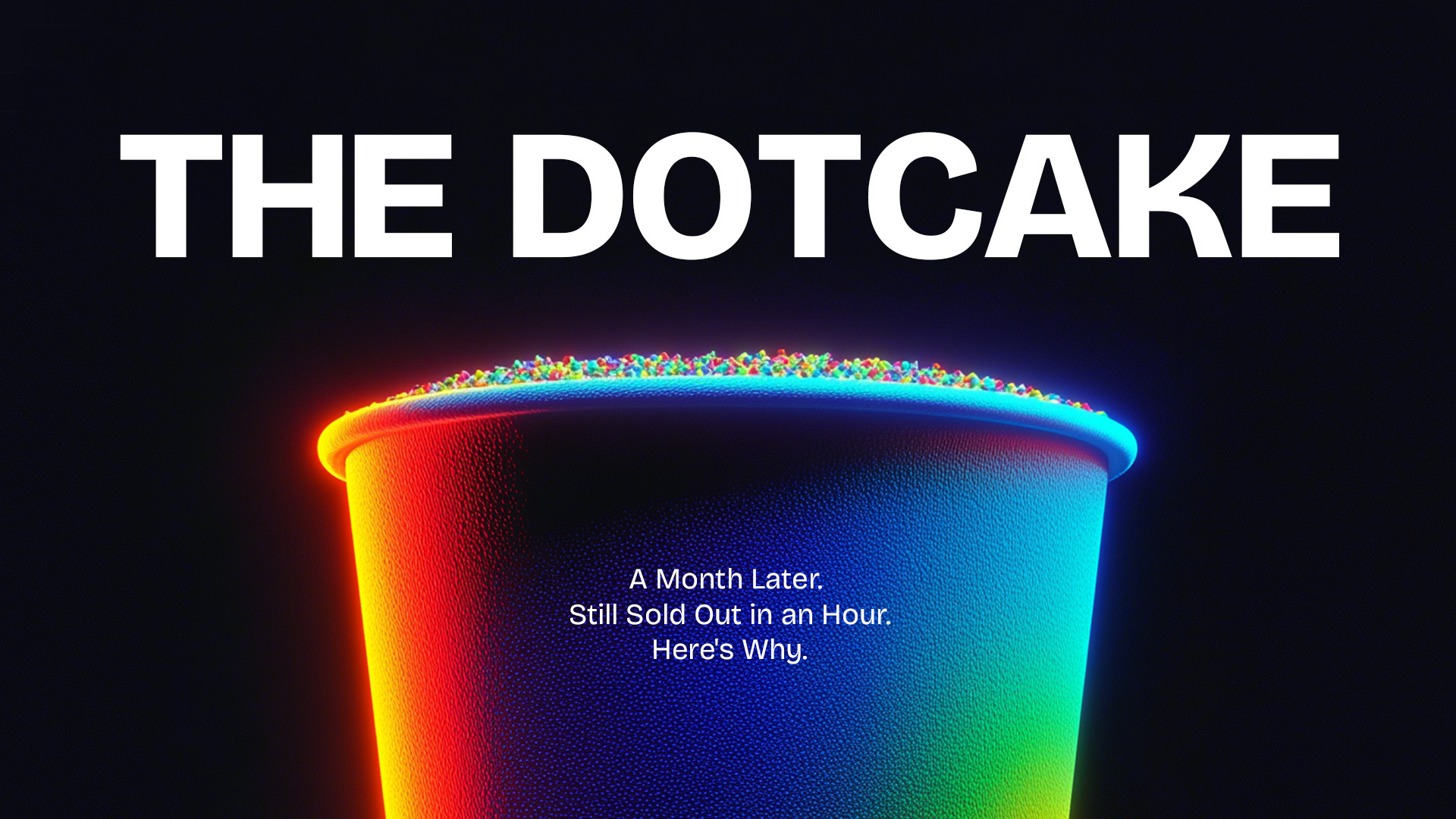
This trend toward highly individualized, art-forward packaging, often with a tactile or narrative emphasis, signifies a fundamental re-evaluation of shelf impact. The “viral” nature of products like The Dot Cake, while not explicitly detailed in its packaging, points to consumer appetite for uniqueness that extends beyond the product itself. Packaging that acts as an art piece or a story container, rather than just a protective shell, inherently builds a stronger emotional bond. This creates a longer retention cycle for the physical packaging, making it less likely to be immediately discarded. By mid-2028, packaging professionals will observe a measurable increase in consumers actively collecting or repurposing packaging designed with strong narrative and tactile value, pushing brands to invest in this ‘second life’ utility.
The primary opposing force to this trend remains the relentless drive for cost optimization and perceived efficiency in mass production. Standardized forms, generic material choices, and templated graphic applications continue to dominate large segments of the industry, often dictated by procurement teams prioritizing unit cost over brand resonance or consumer engagement. These practices often fail to account for the indirect value generated by packaging that transcends its initial function.
Packaging professionals must integrate narrative and tactile workshops into their initial design sprints, moving beyond traditional mood boards. They should specify bespoke artistic commissions and embrace structural elements that invite interaction, even if it means slightly higher unit costs, ensuring the packaging itself becomes an active part of the product’s story and post-purchase utility.
TL;DR
Packaging that tells a story and engages the senses makes products irresistible and extends the package’s life cycle.
Curated References

About this editorial — This piece was developed using AI-assisted research and curation across multiple industry sources. All analysis, opinions, and predictions represent the editorial perspective of JHDD. Sources are linked in the references section above.