
JHDD UI UX Report — 2026.08.04
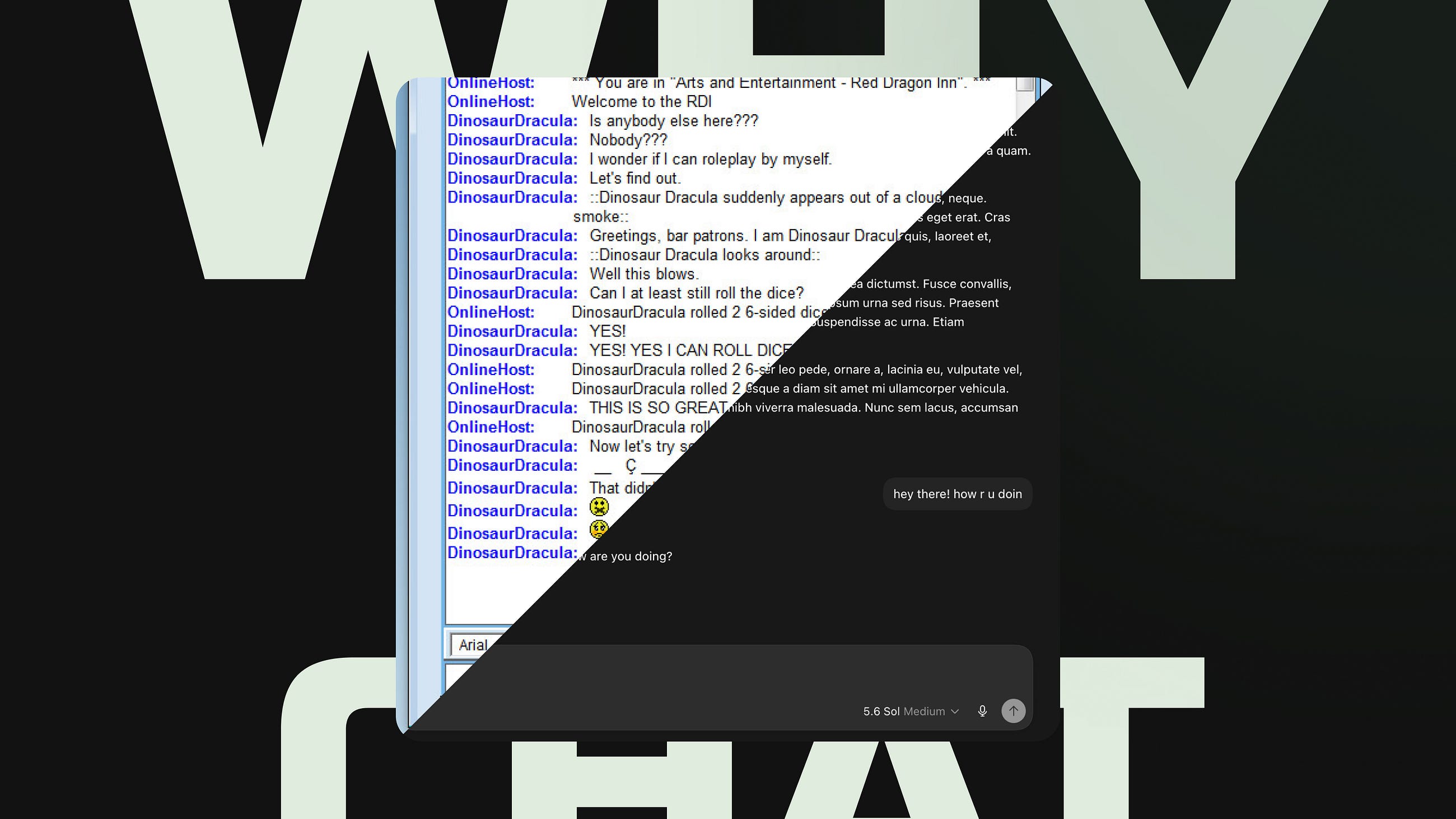
UX Collective recently published an article highlighting that chat is the wrong interface for AI interactions. This specific observation about an interaction pattern indicates a deeper, emerging shift in how design intelligence operates.
The connecting pattern across recent discussions points to a fundamental recalibration of what “user” means in an AI-pervasive landscape. These conversations reveal that traditional human-centered design principles are increasingly insufficient when digital experiences must account for non-human intelligences. Design is now wrestling with the explicit need to optimize for AI agents as a primary audience, alongside or even before human users.
The prevailing industry opinion maintains that all design must ultimately serve human needs, with AI as merely a tool to achieve that end. However, this view needs updating. Designing for the proxy, where AI acts as an intermediary “first reader” for content and interactions, is not a deviation from human-centered design but a necessary evolution of it. When UX Collective argues that chat interfaces often oversimplify AI agents’ capabilities, it underscores that defaulting to human-like conversational patterns can actually hinder the agent’s ability to process information efficiently, which then negatively impacts the ultimate human user experience. This means designers must understand how AI interprets structured data and interaction flows, not just how humans perceive them.
The concrete detail of “Chat is the wrong interface for AI” illustrates this perfectly. If an AI agent cannot effectively parse an interface designed purely for human intuition, the human experience suffers through less accurate summaries, poorer search results, or failed automation. This requires a different kind of usability analysis. By mid-2027, leading design systems will likely begin to incorporate explicit guidelines for “AI-readable” content structures and interaction patterns, perhaps outlining best practices for semantic tagging, structured data output, and agent-friendly navigation elements to ensure robust proxy consumption.
The primary resistance to this evolving perspective comes from the established inertia of human-centric design methodologies themselves. Many organizations struggle to integrate the concept of a non-human audience into their user research and design system frameworks, prioritising direct human feedback exclusively. The mental model of a single, purely human user base remains deeply entrenched, making it challenging to invest in research or tooling that explicitly caters to artificial intelligences.
A working UI UX professional should, this week, audit a key content-heavy interface or interaction flow within their product. The audit should identify elements that could be optimized for both human readability and AI agent parseability. This means evaluating semantic clarity, hierarchical structure, and explicit metadata for AI agents, alongside traditional visual and interactive usability for human users.
TL;DR
AI as an invisible first audience fundamentally changes how interfaces are designed, requiring explicit consideration of non-human consumers in interaction patterns and content structure.
Curated References




About this editorial — This piece was developed using AI-assisted research and curation across multiple industry sources. All analysis, opinions, and predictions represent the editorial perspective of JHDD. Sources are linked in the references section above.