JHDD 3D Modeling Report — 2026.07.31
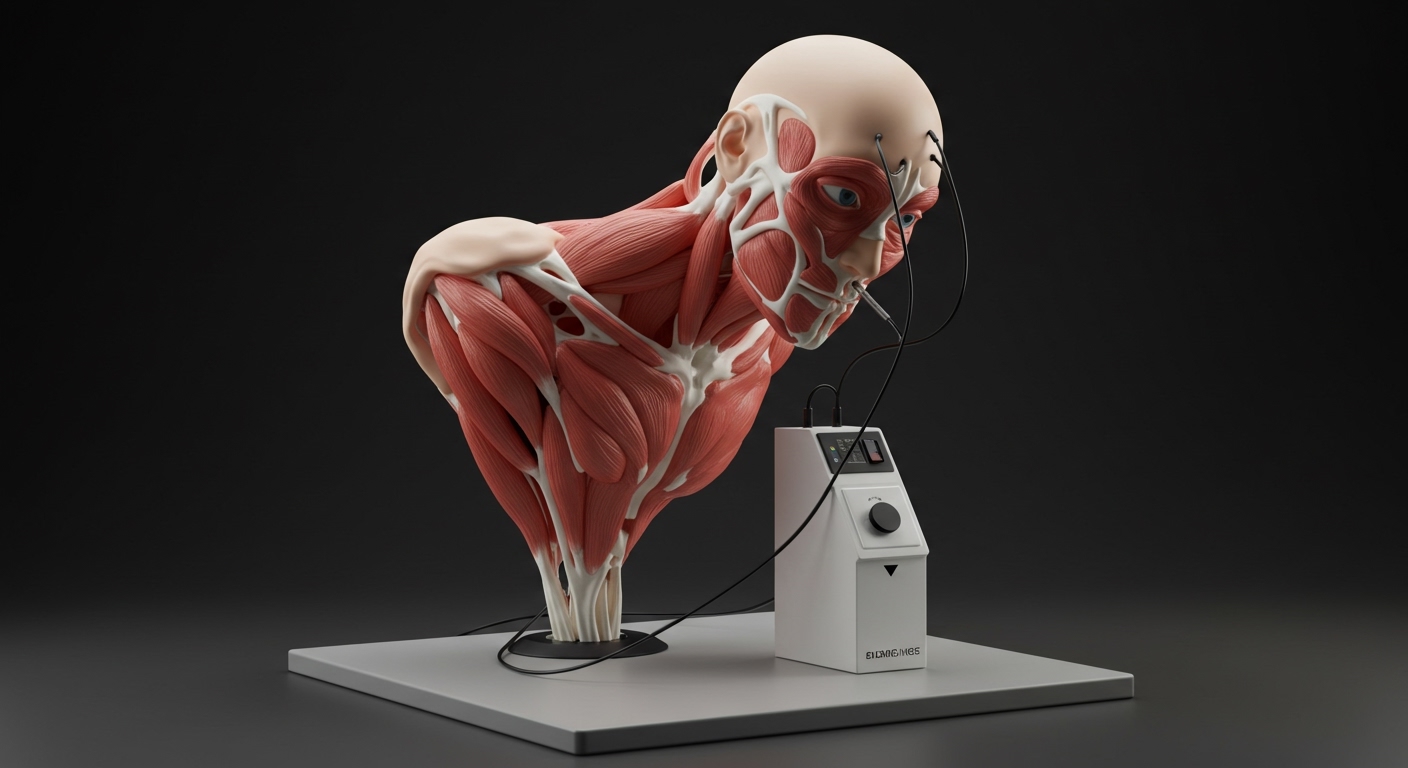
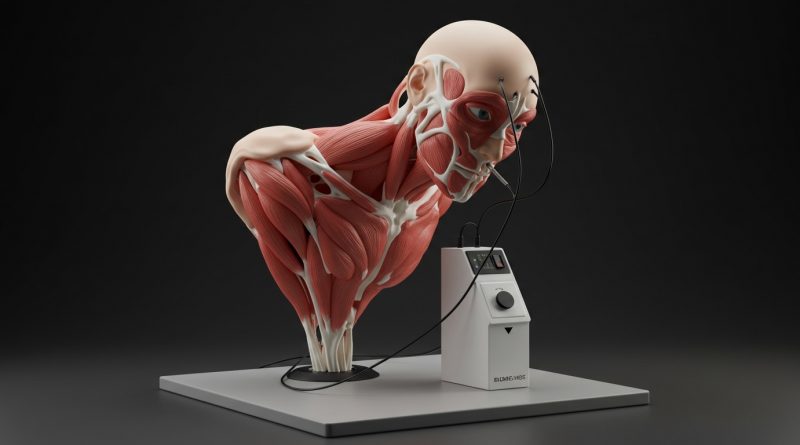
Cartesian Caramel has made its synthetic muscle printing setup freely available for Blender users. This concrete act highlights a broader, less discussed pattern across recent developments.
The unifying thread is the increasingly sophisticated and democratized computational control over digital assets. This control manifests in tools that generate highly specific, context-rich digital assets, extract nuanced detail from existing media, or imbue virtual spaces with advanced visual fidelity. Crucially, these advancements underscore the rising importance of accurate digital interpretation, not just visual output.
The industry’s conventional wisdom often champions hyper-realism as the pinnacle of digital creation, exemplified by Larian’s gruesome CGI work in their Divinity Trailer. However, this focus on raw visual fidelity misses a more profound shift. The democratized access to powerful generative and extractive tools, such as the open-source Textract for effortless texture extraction and perspective correction, means that achieving photorealism is becoming less of a unique artistic differentiator and more of a baseline technical capability. True innovation is increasingly found in the intelligent application of these tools, whether it is pushing the boundaries of realism or, contradictorily, mastering alternative aesthetics like Gen1Recomp’s voxel transformation of classic Pokémon games. The ease of generating detailed assets and environments means the skill shifts from merely creating polygons to defining systems and managing data relationships that yield rich, interpretable results. By mid-2027, the procedural generation of entire environmental assets, including complex lighting scenarios, will be largely automated within mainstream design software, shifting focus from manual mesh creation to defining semantic scene parameters and art-directing algorithmic outputs.
The primary resistance to this evolution comes from established production pipelines and the inherent inertia of major studios. These entities often remain heavily invested in bespoke, manual asset creation models, prioritizing traditional craftsmanship over integrated procedural systems. This often creates a disconnect between the rapid capabilities of new tools and their practical implementation within existing team structures, hindering the adoption of more efficient and creatively expansive workflows.
A working 3D Modeling professional should immediately commit to mastering procedural asset generation within their preferred software. This week, specifically, professionals should dedicate time to building at least three entirely procedurally generated materials using node-based systems, ensuring they dynamically respond to lighting changes without manual adjustment.
TL;DR
The democratization of advanced procedural tools makes intelligent data generation and interpretation the new frontier for digital fidelity, surpassing raw hyper-realism.
Curated References
About this editorial — This piece was developed using AI-assisted research and curation across multiple industry sources. All analysis, opinions, and predictions represent the editorial perspective of JHDD. Sources are linked in the references section above.