JHDD Branding Report — 2026.07.31
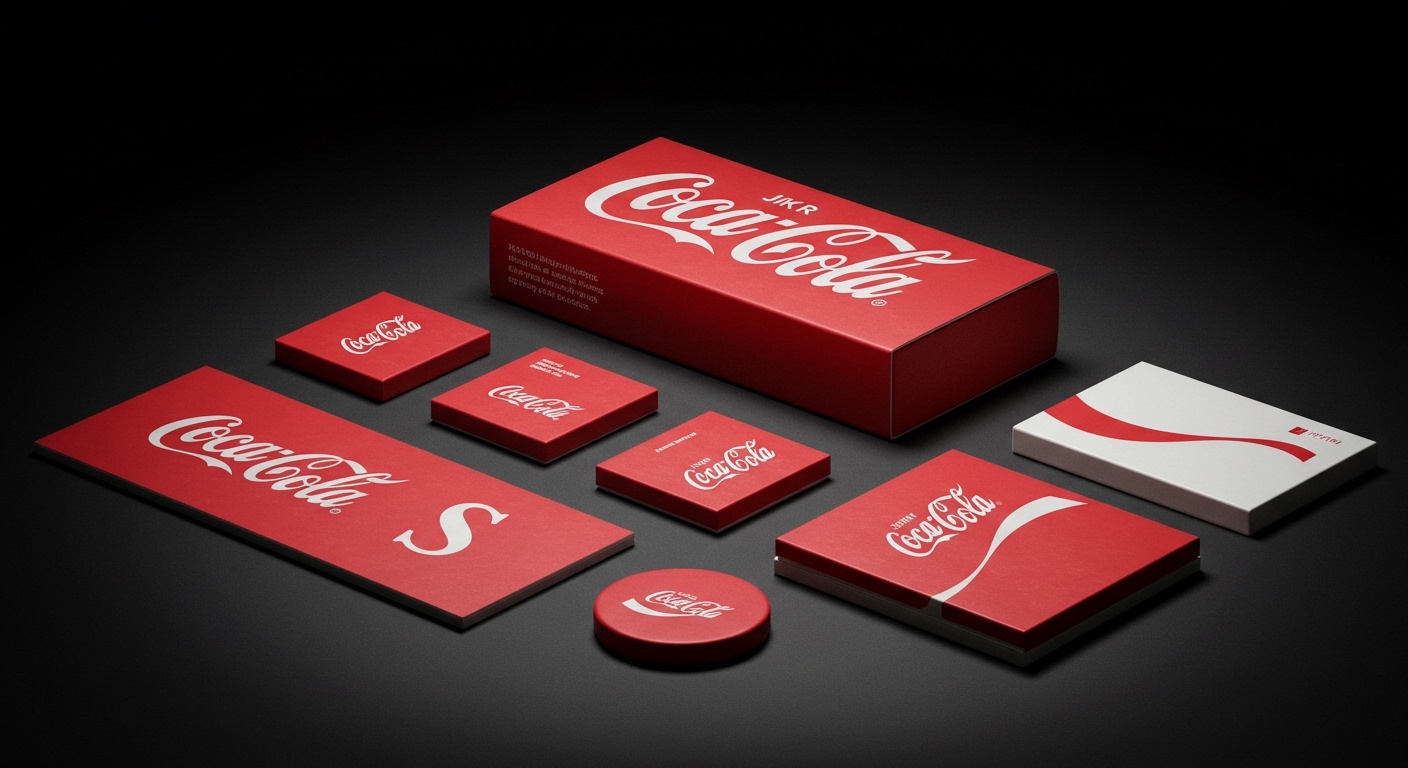
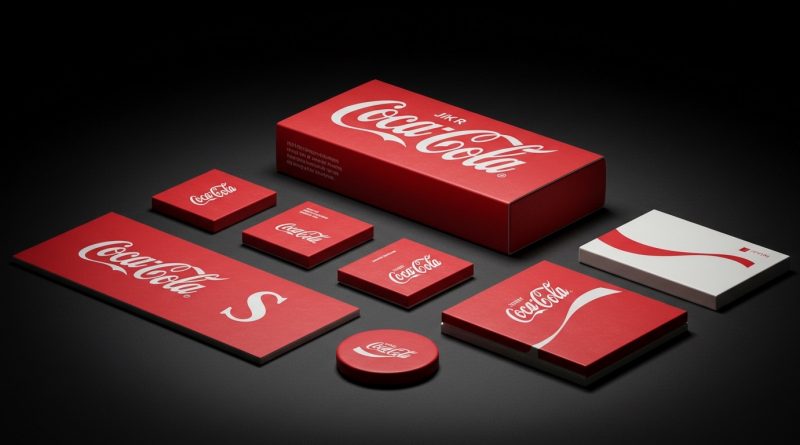
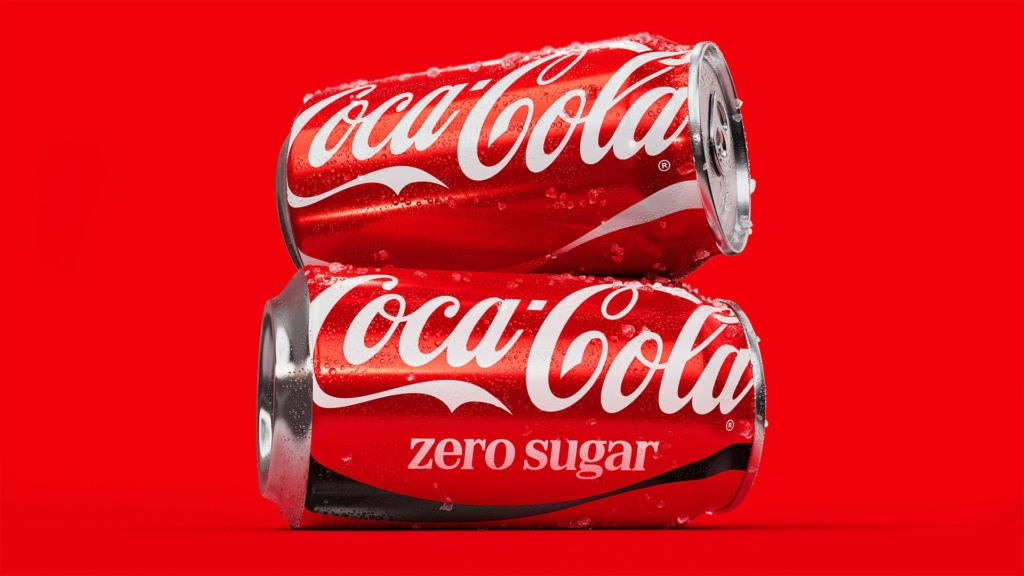
JKR’s approach to Coca-Cola’s identity updates demonstrated a strategic restraint, preserving its iconic red and white script.
All these examples, from JKR’s subtle evolution for Coca-Cola to Makebardo’s illustrative rescue of E11VN’s challenging name, highlight a specific strategic shift. Brands are increasingly navigating a complex space where their core identity must adapt to new cultural and technological contexts—like AI or emerging categories such as vegan meat—without sacrificing critical equity or perceived authenticity. The unifying pattern is a deliberate tension: between honoring heritage and embracing innovation, between clear commercial messaging and coded cultural signals, or between established norms and emerging visual aesthetics. This is not about reinvention for novelty, but about precise calibration in defining and visually manifesting a brand’s fundamental reason for being.

The work by Koto for Stack Overflow provides a potent case study for this dynamic. Mainstream industry wisdom often dictates that with the pervasive rise of AI tools, a platform built primarily on human-sourced knowledge like Stack Overflow should aggressively reposition itself as an AI-powered solution or risk irrelevance. This conventional perspective, however, misses a crucial cultural signal from its core user base. Programmers, a key demographic, rely on Stack Overflow precisely for human-verified, peer-to-peer insights—a direct and valuable counterpoint to the often opaque or generalized outputs of generative AI. Koto’s strategy, by giving Stack Overflow a renewed “reason to exist in the age of AI,” implicitly leaned into this human-centric value proposition, rather than attempting to compete directly on AI functionality. The brand’s enduring value lies in its community of “actual real life people,” transforming what might seem like a limitation into a primary differentiator.
This focus on human-centric authenticity, even within the technology sector, contradicts the prevailing industry rush towards AI integration as the immediate and primary driver of brand relevance. It demonstrates that for many brands, the most valuable equity today resides in distinguishing themselves from the algorithmic, rather than simply integrating with it. Furthermore, the subtle “museum-modernity” aesthetic adopted by 20(Something) for the civic software platform Open Point, with its enigmatic text-laden t-shirts, exemplifies how brands are now signaling cultural belonging as much as, if not more than, overt product features. This layered approach indicates a future where visual identity systems communicate nuanced cultural affiliation and values, sometimes even through deliberate ambiguity, building significant, hard-to-replicate equity. By mid-2027, more brands will adopt visual codes that deliberately feel “off-message” to external observers but are deeply resonant to their intended communities.
The primary opposing force to this nuanced, culturally specific branding is the entrenched corporate impulse for immediate, universally legible clarity and broad appeal in brand communications. Marketing departments, often driven by short-term sales metrics and a fear of misinterpretation by a general audience, resist ambiguity or niche cultural signals. This resistance typically manifests as a preference for generic “best practices” and easily digestible messaging over distinct, culturally coded visual systems that might not immediately explain the product or service to every casual observer.
Branding professionals should conduct a deep dive into the cultural context and specific community values of their target audience, moving beyond demographic profiles to ethnographic insights. Instead of asking what messages resonate, ask what visual or stylistic signals authentically embody the shared identity and aspirations of the core user base, even if those signals seem counter-intuitive or understated from a traditional marketing standpoint.
TL;DR
Brands build lasting equity by precisely navigating the tension between heritage and new contexts, often by leaning into nuanced cultural signals rather than overt messaging.
Curated References



About this editorial — This piece was developed using AI-assisted research and curation across multiple industry sources. All analysis, opinions, and predictions represent the editorial perspective of JHDD. Sources are linked in the references section above.