JHDD Branding Report — 2026.07.30
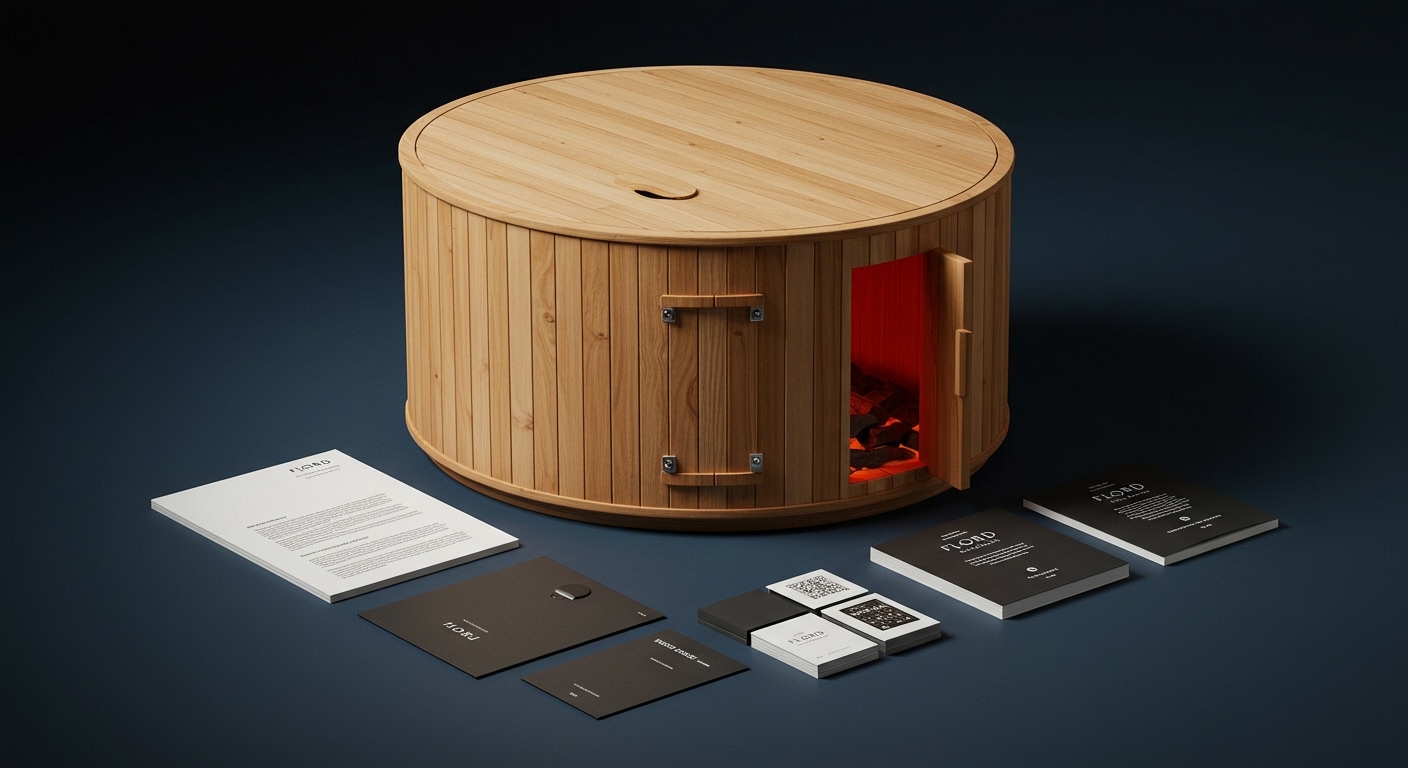
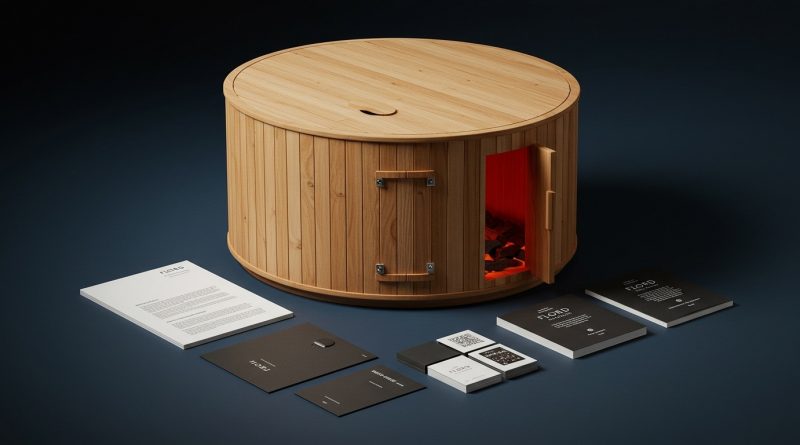
DutchScot’s branding for the Fjord sauna and cold plunge experience avoids conventional wellness tropes by positioning the offering between architecture, hospitality, and outdoor recreation.
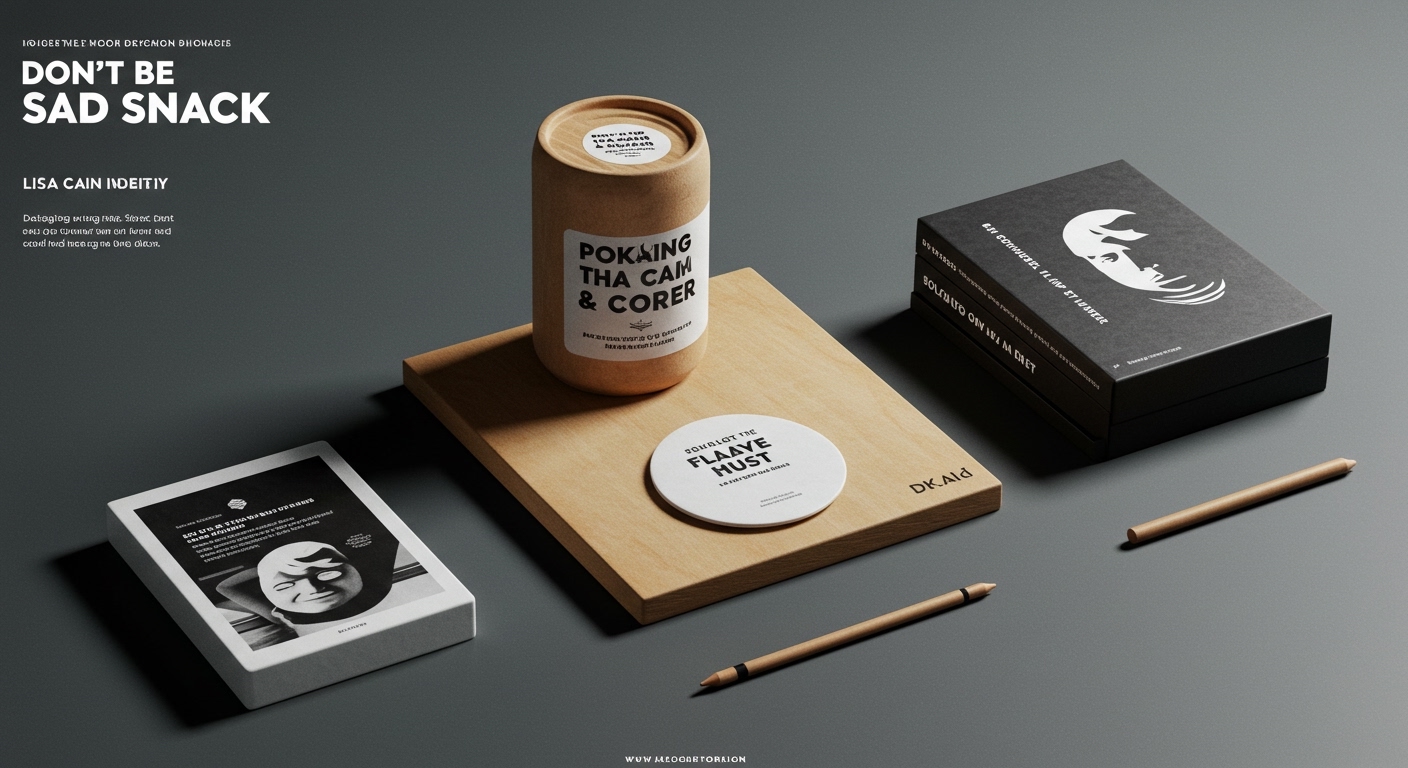
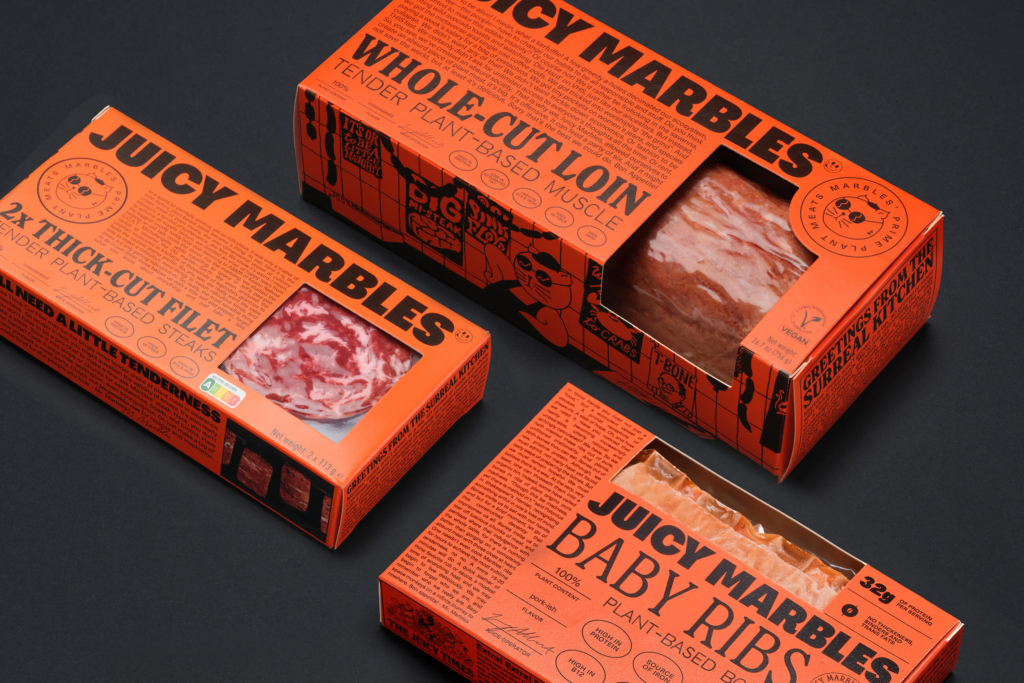
This nuanced approach is visible across several recent projects, where brands seek to define their presence by deliberately resisting established category aesthetics or common market narratives. The thread connecting these efforts is a rejection of homogenous brand signaling in favor of a more specific, sometimes challenging, yet ultimately more authentic expression. This involves either leaning into utility, embracing textual clarity, or navigating complex cultural perceptions, such as how vegan meat brand Juicy Marbles opted for an identity that Lisa Cain described as potentially leading to “sad snack” perceptions, rather than typical cheerful food branding.
Consider Koto’s work for Stack Overflow. When artificial intelligence can generate code snippets and instant answers, Koto’s strategy provides the programmer forum with a renewed “reason to exist.” Conventional wisdom in branding often dictates a constant pursuit of innovation and future-forward aesthetics, especially for tech platforms seeking to appear cutting-edge. However, Stack Overflow’s brand equity is explicitly rooted in the human element—the shared wisdom of “actual real life people” who have “been there and done that.” The new identity reinforces this foundational trust and community, rather than trying to compete directly with AI on speed or novelty. It signals reliability and practical, peer-validated knowledge, elements AI currently struggles to replicate with genuine authority.
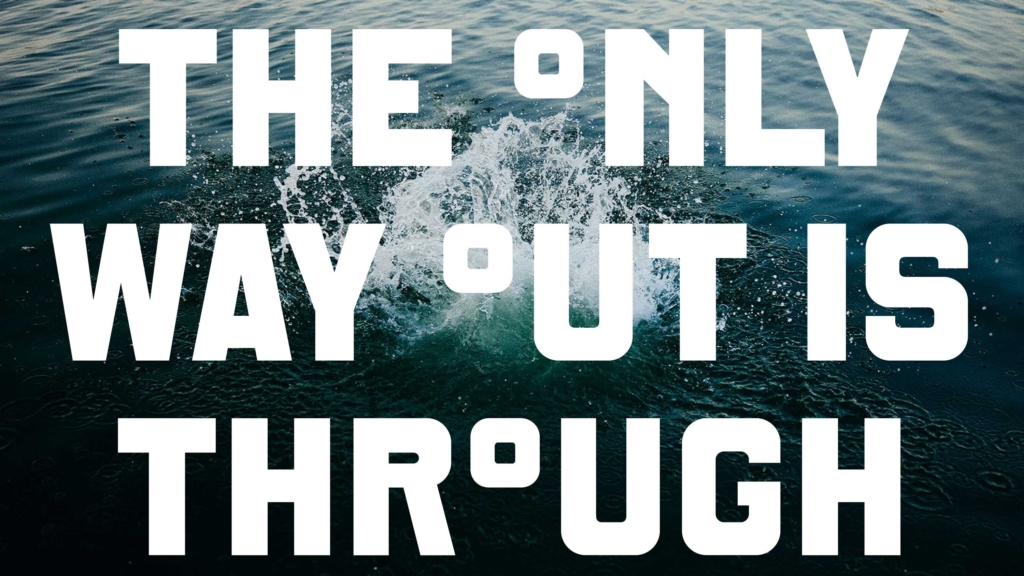
This focus on human-centric utility and clear communication over purely technological advancement or aspirational lifestyle imagery presents a counter-narrative to the prevailing industry trend of designing for a perpetually optimized, frictionless future. While many brands aim for an abstract, universally appealing aesthetic, others are finding strength in directness, such as the described trend of t-shirts emblazoned with “a tonne of text.” This visual honesty, sometimes bordering on an anti-design aesthetic seen in 20(Something)’s identity for Open Point, prioritizes information and function. For many audiences, particularly professionals or those seeking unvarnished authenticity, clarity and proven value resonate more deeply than elaborate brand narratives. By early 2028, more B2B and professional platforms will pivot their visual identity systems to emphasize tangible human value and transparent functionality, clearly differentiating themselves from rapidly evolving AI tools.
The primary opposing force is the entrenched habit of category mimicry, driven by risk aversion and a desire for immediate, unambiguous market recognition. Brands, and the agencies serving them, often default to visual and verbal cues that are already proven within their sector, fearing that divergence will confuse consumers or alienate investors. This conservative approach is reinforced by the perceived efficiency of established brand archetypes and design patterns.
Branding professionals should conduct “anti-competitor” audits. Instead of merely analyzing what direct competitors do well, identify what they all do similarly and explore what a brand could gain by deliberately diverging from those common signals, focusing on unspoken user frustrations or emerging cultural values.
TL;DR
Brands are finding strength by deliberately rejecting common category signals and emphasizing distinct human or functional value.
Curated References

About this editorial — This piece was developed using AI-assisted research and curation across multiple industry sources. All analysis, opinions, and predictions represent the editorial perspective of JHDD. Sources are linked in the references section above.