
JHDD UI UX Report — 2026.07.28

Will Sertório’s photographic series “Five to nine,” depicting designers’ lives outside of their professional personas, points to a quietly intensifying struggle within product design.
Across multiple reports, a specific pattern emerges: the pursuit of hyper-efficiency in digital product development often inadvertently displaces or obscures foundational human labor, creating new points of failure and complexity. This ranges from the unacknowledged information architecture gaps that destabilize AI systems to the optimized, yet forgettable, nature of many contemporary websites. What appears as a streamlined process frequently offloads complexity to unseen organizational seams or pushes critical thinking onto human users in new ways.
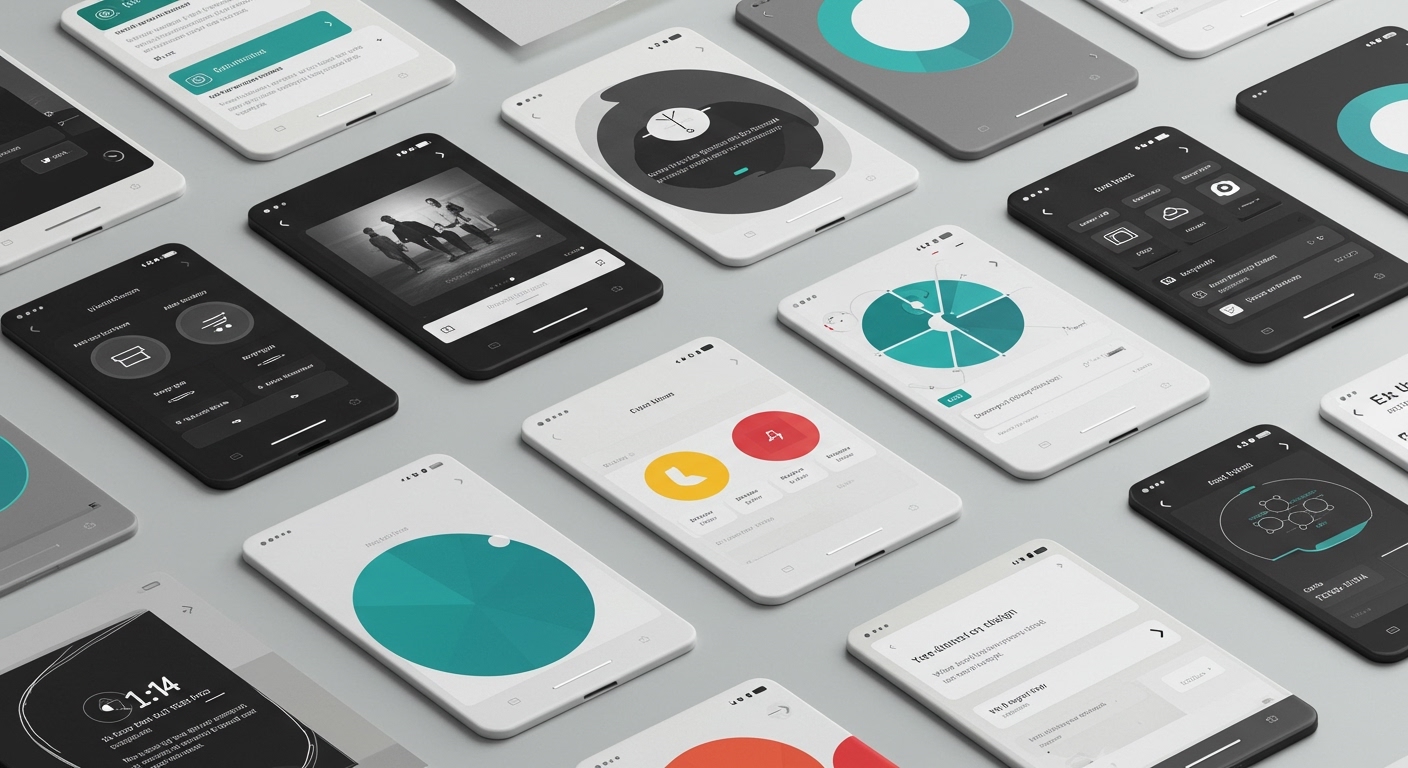
Mainstream industry opinion frequently frames artificial intelligence as a technology primarily designed to automate repetitive tasks, thereby “freeing” designers for higher-level creative work. This perspective, however, overlooks a critical shift. The reality is that generative AI, far from reducing the need for fundamental human input, paradoxically exacerbates the demand for meticulous, labor-intensive foundational design work. Companies like Figma, through integrations such as the Stills Figma plugin, push for seamless content insertion. Yet, as Patrick Neeman notes, understanding AI training model usage is crucial, implying a new cognitive load on designers to evaluate provenance and bias. The problem of AI hallucinations, wrong answers, and poor retrieval, as detailed in discussions around information architecture, directly traces back to the lack of human alignment on naming and arrangement, not merely a technical AI deficiency. This suggests that AI does not eliminate the drudgery of foundational work but instead makes its absence catastrophically visible, demanding more rigorous human intellectual investment rather than less. By mid-2027, leading design system vendors will be compelled to incorporate robust, transparent auditing tools for AI-generated assets and content within their platforms, enabling designers to trace origins and verify model biases directly.
The opposing force against this essential foundational work is the relentless, short-term pressure to ship features and meet conversion targets. Companies prioritize visible new functionality and immediate business metrics, often at the expense of the slower, more intricate work of aligning organizational vocabulary or establishing robust information architectures. These pressures manifest as the “small delay that makes a brainstorm actually storm” as discussed by Hiroshi Sato, where even minor friction in rapid-fire processes can be seen as an impediment, leading to shallow, unexamined solutions rather than deeply considered ones.
A working UI UX professional should, this week, identify one significant inconsistency in nomenclature or categorization within their product’s content or navigation. This means observing how different teams or features refer to the same concept. After identifying this inconsistency, the professional should propose a single, agreed-upon term or structure to relevant stakeholders, directly addressing the semantic misalignment that AI systems, in particular, struggle with.
TL;DR
The drive for efficiency and AI integration highlights the urgent, often neglected, need for foundational human intelligence in design systems and information architecture.
Curated References


About this editorial — This piece was developed using AI-assisted research and curation across multiple industry sources. All analysis, opinions, and predictions represent the editorial perspective of JHDD. Sources are linked in the references section above.