JHDD Packaging Report — 2026.07.28
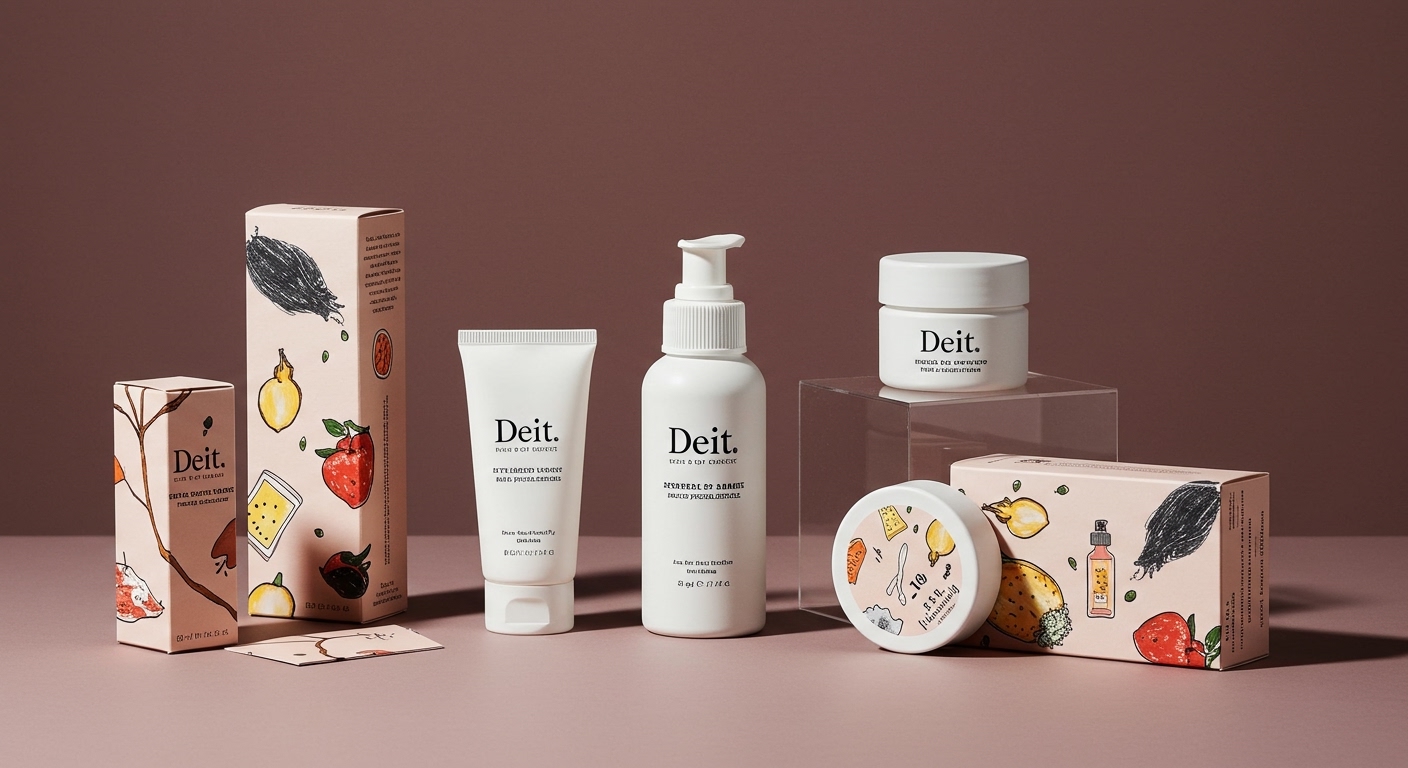
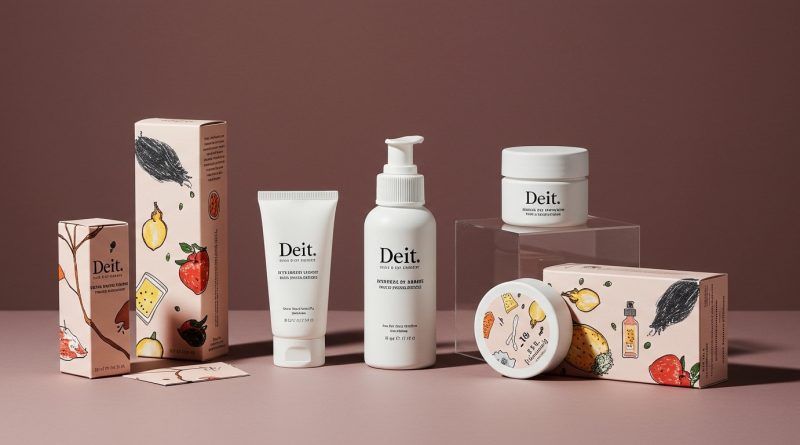
Deit’s packaging, reimagined by Faena, features painterly ingredient illustrations that trade clinical performance for something akin to a fruit stand. This shift reflects a broader, unspoken evolution in how brands communicate value, particularly within the wellness and beverage sectors. Designers are increasingly moving away from overt health claims or aggressive shelf shouting towards nuanced sensory experiences that build connection through sophistication and authenticity.
This emerging pattern indicates a strategic pivot from declarative branding to evocative design. Rather than relying on explicit health lectures or loud calls for attention, brands like Deit and Free Soul, redesigned by Ragged Edge with giant vertical wordmarks, are opting for a refined aesthetic that suggests quality and a more holistic approach to well-being. This understated confidence is a stark contrast to the traditional, often visually busy, approach common in these categories, where clear iconography and benefit-led statements have long dominated.
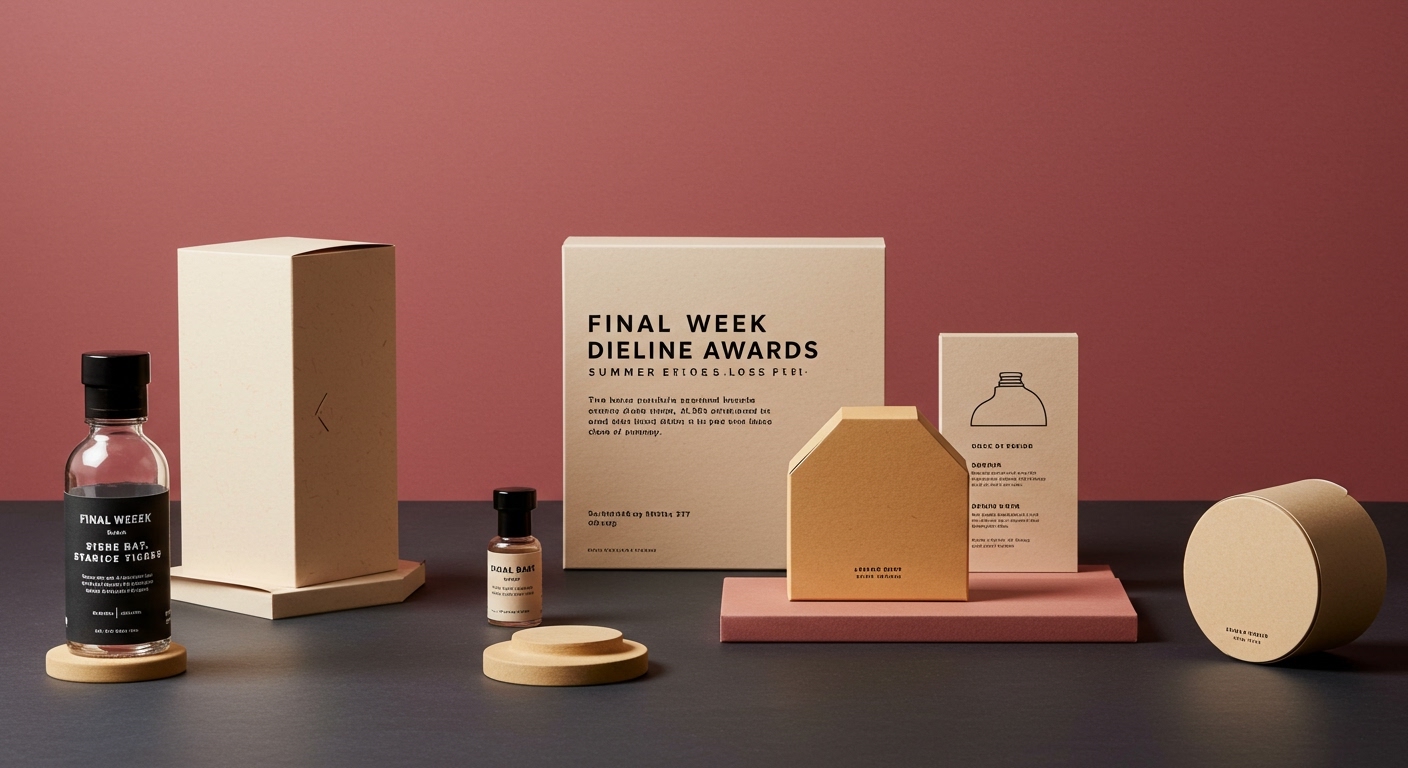
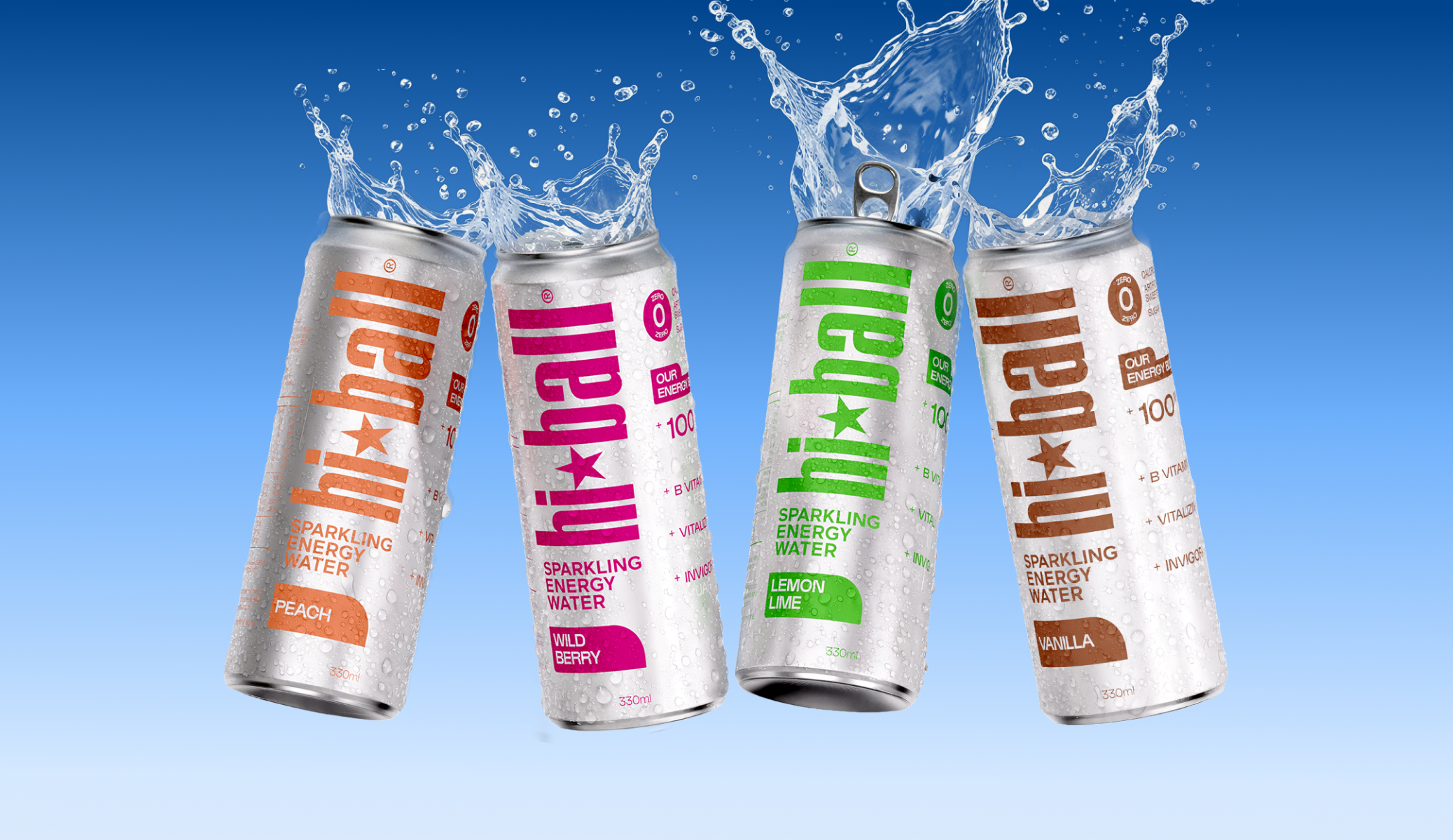
A common industry belief holds that packaging in highly competitive categories like wellness and energy drinks must scream its benefits or shout for attention with bright colors and bold claims to capture fleeting consumer interest. This perspective often prioritizes immediate visual pop over deeper engagement. However, this view overlooks a critical shift in consumer perception. Today’s consumers, increasingly discerning, equate understated design and sophisticated tactile qualities with genuine quality and trustworthy efficacy. For example, Hi-Ball’s new design, stripped down and standing out by embracing quiet simplicity, achieves significant shelf impact precisely because it does not resort to loud graphics. Its refined presentation suggests a premium experience that elevates the product beyond mere functionality, implying a thoughtful approach to both product and packaging.
This subtle approach, prioritizing perceived quality through design and material choice, cultivates a more lasting relationship with the consumer. The unboxing experience, often overlooked in the race for shelf visibility, becomes a crucial touchpoint for solidifying this perception. Brands that invest in textures, debossing, or even the weight and feel of sustainable materials implicitly communicate attention to detail and a respect for the user. It is predicted that by early 2028, leading CPG brands in the premium lifestyle segment will have standardized specifications for bespoke tactile finishes and minimal, naturally-textured packaging materials, effectively using the physical interaction as a primary branding channel.
However, this sophisticated shift is not universally embraced. The “Pink Drink Industrial Complex,” exemplified by Starbucks, Dunkin, and Blank Street, continues to prioritize mass appeal through vibrant, often artificial, color trends and the instant gratification of a “little treat.” This segment thrives on rapid trend cycles and visual novelty, often sacrificing material innovation or subtle tactile branding for widespread, Instagrammable recognition. These brands represent the prevailing force resisting a move towards understated elegance, relying instead on high-frequency visual stimulation and volume.
Packaging professionals should immediately evaluate their current material specifications for tactile properties. This week, select one upcoming project and explore replacing a standard glossy or matte finish with a soft-touch coating, a textured paper stock, or incorporating subtle debossing on key graphical elements. This action can begin to integrate sensory experience as a core brand attribute, moving beyond purely visual shelf impact.
TL;DR
Packaging is evolving from overt claims to subtle sensory experiences that build trust and communicate refined quality.
Curated References



About this editorial — This piece was developed using AI-assisted research and curation across multiple industry sources. All analysis, opinions, and predictions represent the editorial perspective of JHDD. Sources are linked in the references section above.