
JHDD UI UX Report — 2026.07.27
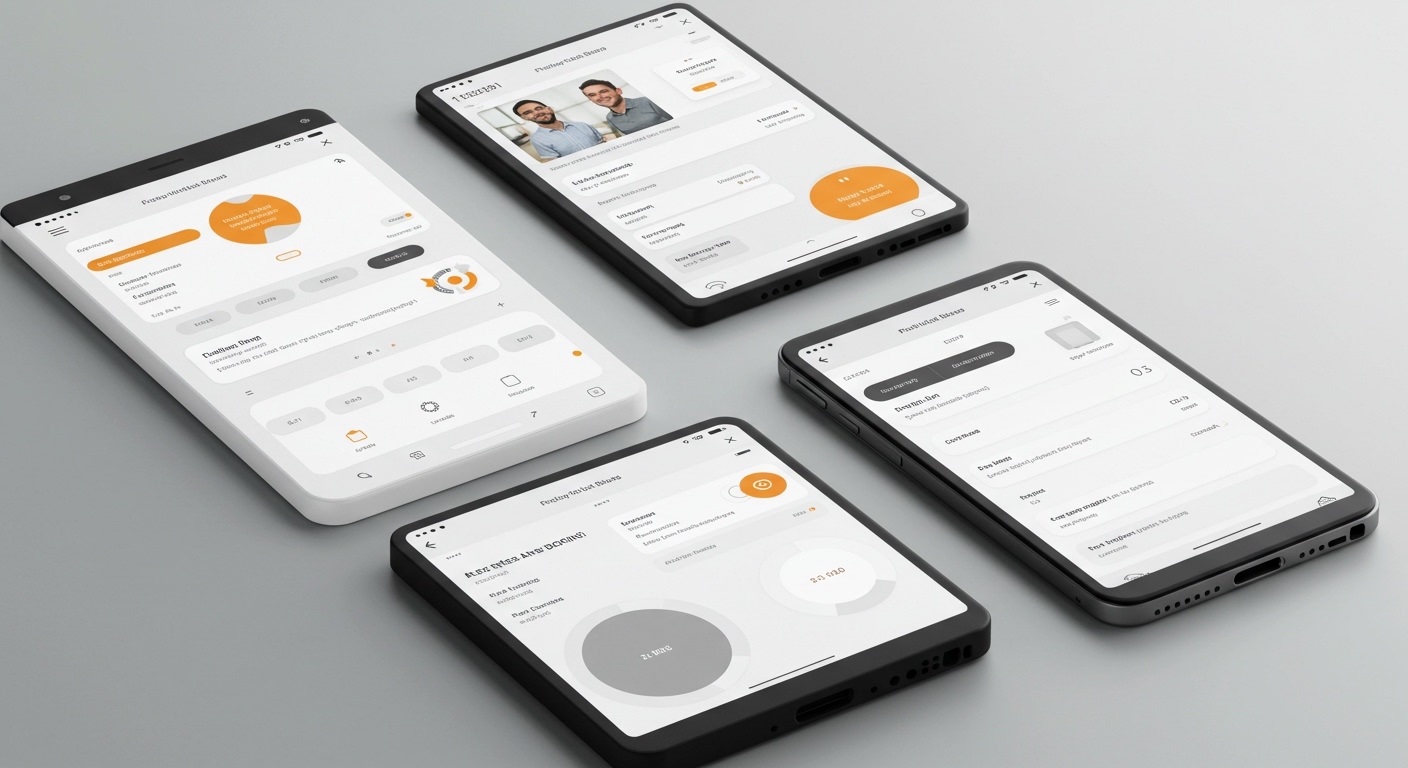
The assertion that “websites are boring” suggests a fundamental flaw in contemporary digital product development.
This widespread lack of distinctiveness stems from an industry-wide drive for quantifiable efficiency, where design systems, usability optimizations, and now AI generation, inadvertently homogenize user experiences by relocating complexity to the points of integration and context definition. The pursuit of “mobile-first, conversion-optimised, accessibility-compliant, and SEO-friendly” websites, as noted in recent commentary, has streamlined operations but simultaneously led to interfaces optimized for utility over memorability. This hyper-rationalization of design decisions, while seemingly logical for business metrics, prioritizes predictable interaction patterns that ultimately blend into a forgettable user journey.
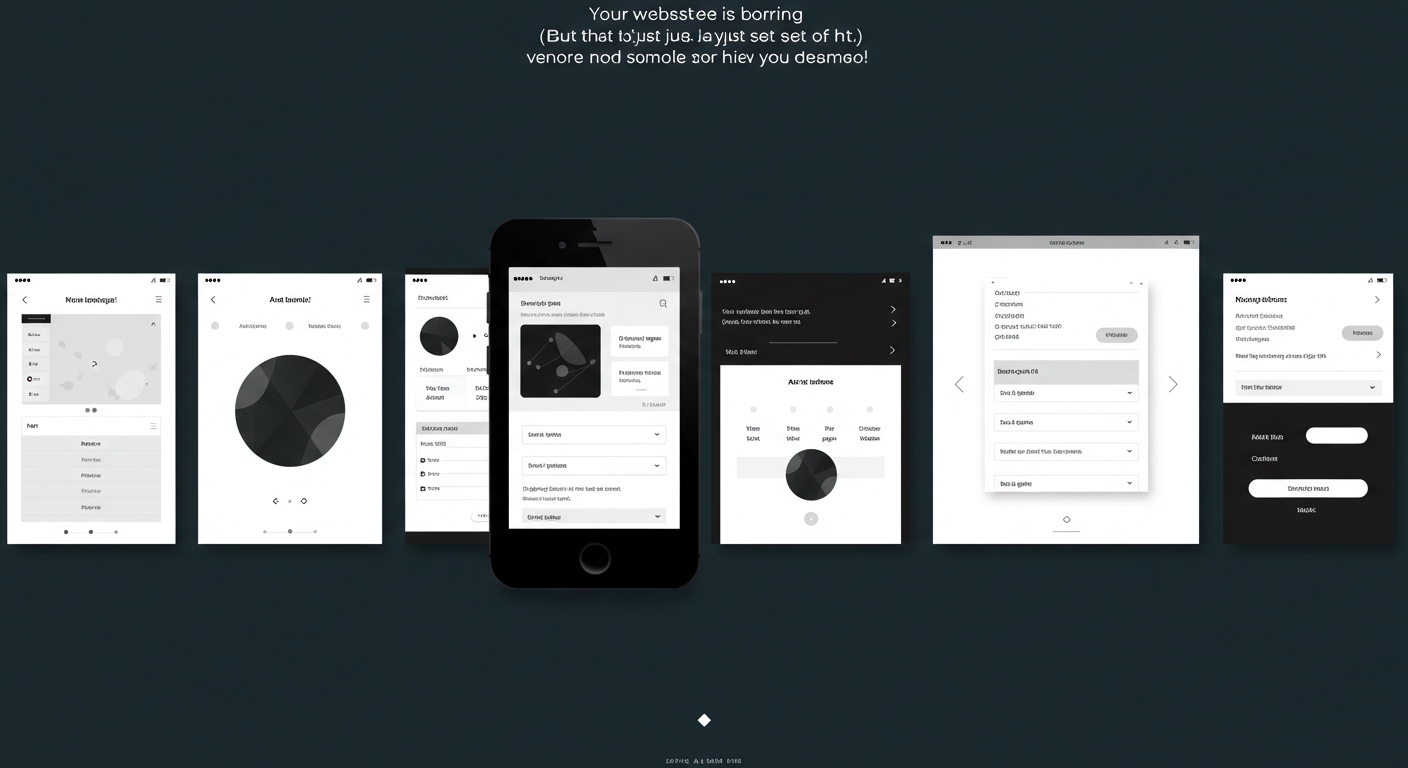
Many industry observers champion the meticulous optimization of every UI element for efficiency and conversion, believing this is the pinnacle of good product design. However, this view overlooks the deeper human need for connection and distinctiveness. The problem is not accessibility or mobile responsiveness itself, but rather the single-minded focus on these metrics to the exclusion of all else. Mainstream opinion often equates success with the elimination of friction, yet thoughtfully introduced “friction” – a unique visual flourish, a surprising micro-interaction, or a brand-specific navigation approach – can be crucial for building a memorable brand presence. It contradicts conventional wisdom to suggest that a slight deviation from the most efficient path can lead to a more successful product experience. By mid-2027, product teams that deliberately embrace minor, branded inefficiencies in specific interaction patterns will observe superior long-term user retention compared to those solely optimizing for immediate task completion.
The advent of AI-generated design further complicates this landscape. While “UX-Context Design” promises to inform AI with human insights, the inherent nature of AI is to learn and replicate patterns. If the dominant patterns are themselves “aggressively mediocre,” as one piece suggests, then AI will only amplify this problem. True “product sense,” defined as predicting successful decisions, will shift from merely identifying effective patterns to understanding when not to apply them. The critical challenge is ensuring that the curated context provided to AI transcends generic best practices and instead embeds unique brand values and specific user delight objectives. Without this nuanced human input, AI design systems will simply standardize mediocrity, effectively shifting the complexity of true differentiation to the “seams” where human insight meets machine execution. Within two years, the most impactful user researchers will be those adept at translating qualitative user needs into precise, actionable contextual parameters for AI design models, moving beyond traditional report generation.
The primary opposing force to this shift is the entrenched reliance on quantitative KPIs that reward universal efficiency and penalize deviations from established conversion funnels. Business stakeholders frequently demand adherence to “rational, logical” benchmarks, making it difficult for designers to advocate for experiences that prioritize emotional resonance over immediate, measurable task completion rates. This resistance stems from a fear of unpredictability and a misunderstanding of how deeper engagement translates into long-term value.
To counter this, a working UI/UX professional should, this week, identify one core interaction pattern within their product that is universally generic. They should then research how a specific, memorable, but still usable variation of that pattern could be implemented, framing its value in terms of brand differentiation and emotional connection, not just conversion rate. This involves championing user research that uncovers qualitative user desires for distinctiveness, not just functional satisfaction.
TL;DR
Over-optimizing for efficiency and leveraging AI without specific, creative human context leads to unmemorable user experiences.
Curated References

About this editorial — This piece was developed using AI-assisted research and curation across multiple industry sources. All analysis, opinions, and predictions represent the editorial perspective of JHDD. Sources are linked in the references section above.