JHDD Interior Report — 2026.07.27
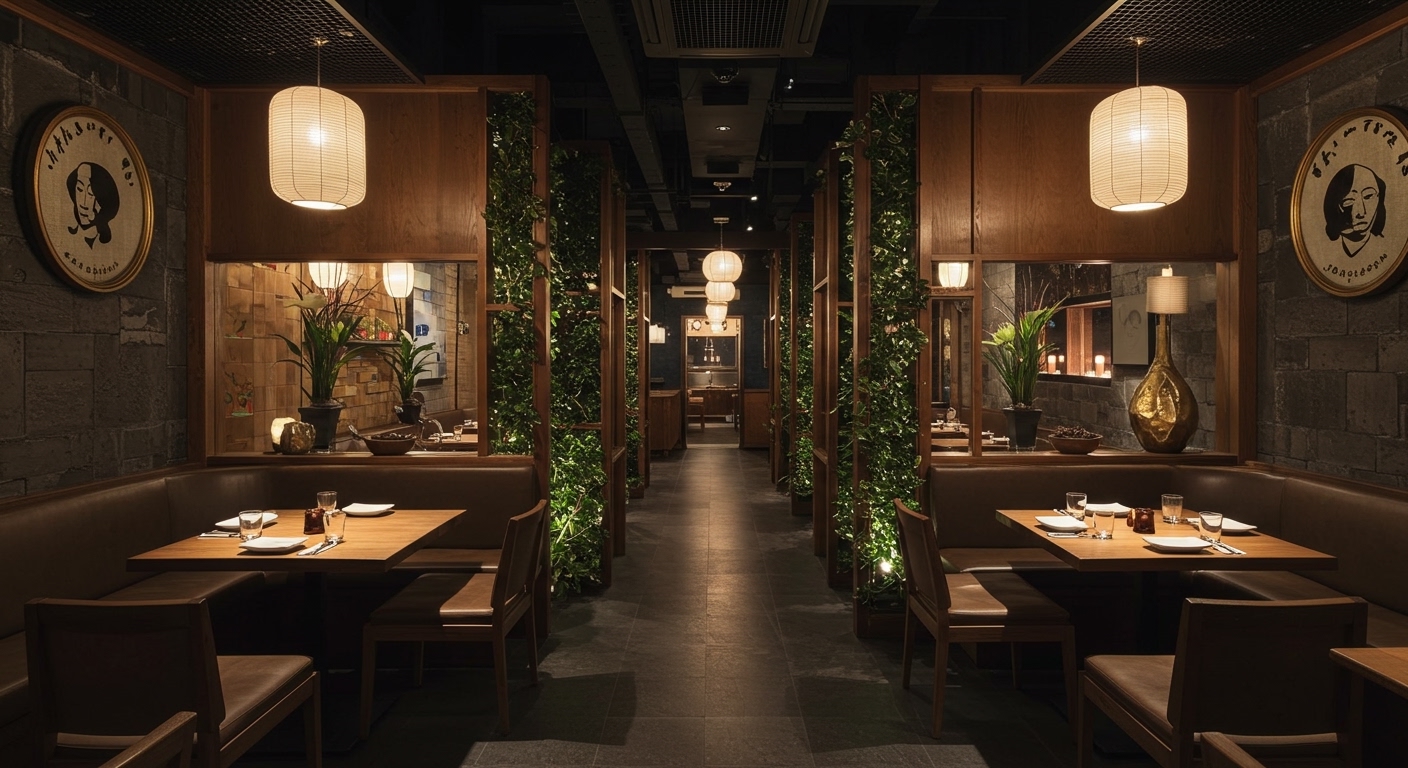
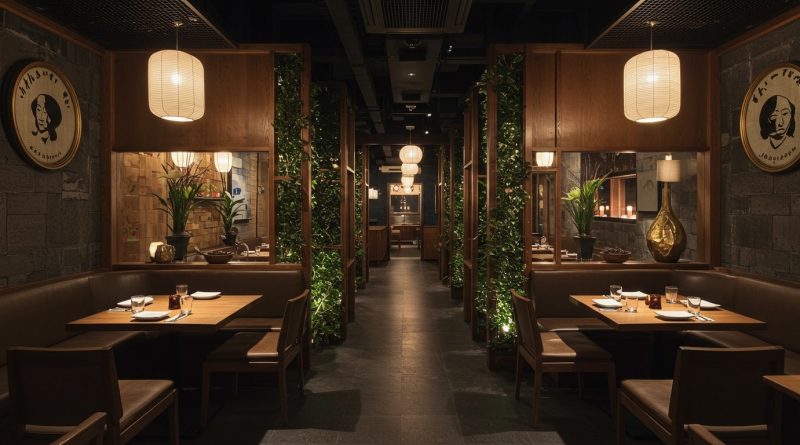
Joyce Wang Studio’s Genso restaurant in Hong Kong features alley-like walkways reminiscent of Tokyo’s Golden Gai neighborhood.
These recent projects highlight a consistent pivot away from generalist design solutions towards a precise calibration of space and material that prioritizes specific, curated human experiences. Whether through the reconfigurable living areas of Georgios Apostolopoulos’s Athens apartment, the subtle blurring of indoor and outdoor thresholds in various residential patios, or the immersive, place-evoking materiality at Red Deer’s Zylia, designs are increasingly orchestrating movement and perception with explicit intent. This approach moves beyond mere functionality or aesthetic appeal, focusing instead on a highly specific, narrative-driven response to an anticipated human journey within the built environment.
The design of Genso by Joyce Wang Studio offers a compelling example of this trend. By incorporating lanterns and alley-like walkways, the studio intentionally crafts a spatial sequence that evokes the sense of discovery and intimacy found in Tokyo’s hidden drinking streets. This deliberate compression and visual layering guide patrons through a distinct journey, influencing their pace and engagement with the surroundings. The choice of materials and lighting further enhances this tactile quality, ensuring each step and turn feels deliberate.
This approach subtly contradicts a prevailing industry opinion that luxury hospitality spaces must prioritize grandiosity, expansive volumes, or sweeping views to convey exclusivity. Instead, Genso demonstrates that a sophisticated form of luxury can be achieved through controlled intimacy and intentional spatial tension, creating a rich sensory experience that prioritizes specific, choreographed human flow over generic openness. The deliberate narrowing and winding paths compel a more personal engagement, fostering a sense of curated discovery. Such precise spatial storytelling, combined with authentic material selection, defines a new echelon of luxury experience. It is predicted that by late 2027, luxury hospitality design will increasingly shift towards these highly prescriptive spatial narratives and intimate, segmented zoning, leveraging precise material applications and targeted lighting to choreograph unique customer journeys.
The most significant opposing force to this trend comes from the entrenched practices of speculative commercial development and large-scale residential projects. These entities often prioritize standardized, easily replicable floor plans and generic material palettes, driven by metrics such as cost per square foot and maximum leasable area. The perceived complexity and customization required for narrative-driven spatial design, alongside the sourcing of specific, evocative materials like Gerolakkos stone or Lefkara lace seen at Zylia, are frequently deemed impractical or economically inefficient. This often results in a reluctance to invest in designs that might not offer immediate, broad market appeal, hindering the adoption of more nuanced spatial tension and tactile qualities.
Working interior professionals should immediately begin auditing their current projects to identify opportunities for introducing specific, non-obvious spatial sequences or distinct, tactile material palettes within transitional zones. Rather than merely defining open areas, consider how a client’s specific daily ritual – from entry to relaxation – could be enhanced by a deliberately compressed hallway, an unexpectedly textured wall, or a controlled shift in ambient light. This involves moving beyond functional circulation to infuse these pathways with curated sensory experiences that contribute to the overall narrative of the space, even if subtly.
TL;DR
High-end design prioritizes specific, narrative-driven spatial and material experiences that carefully choreograph human interaction.
Curated References


About this editorial — This piece was developed using AI-assisted research and curation across multiple industry sources. All analysis, opinions, and predictions represent the editorial perspective of JHDD. Sources are linked in the references section above.