JHDD 3D Modeling Report — 2026.07.25
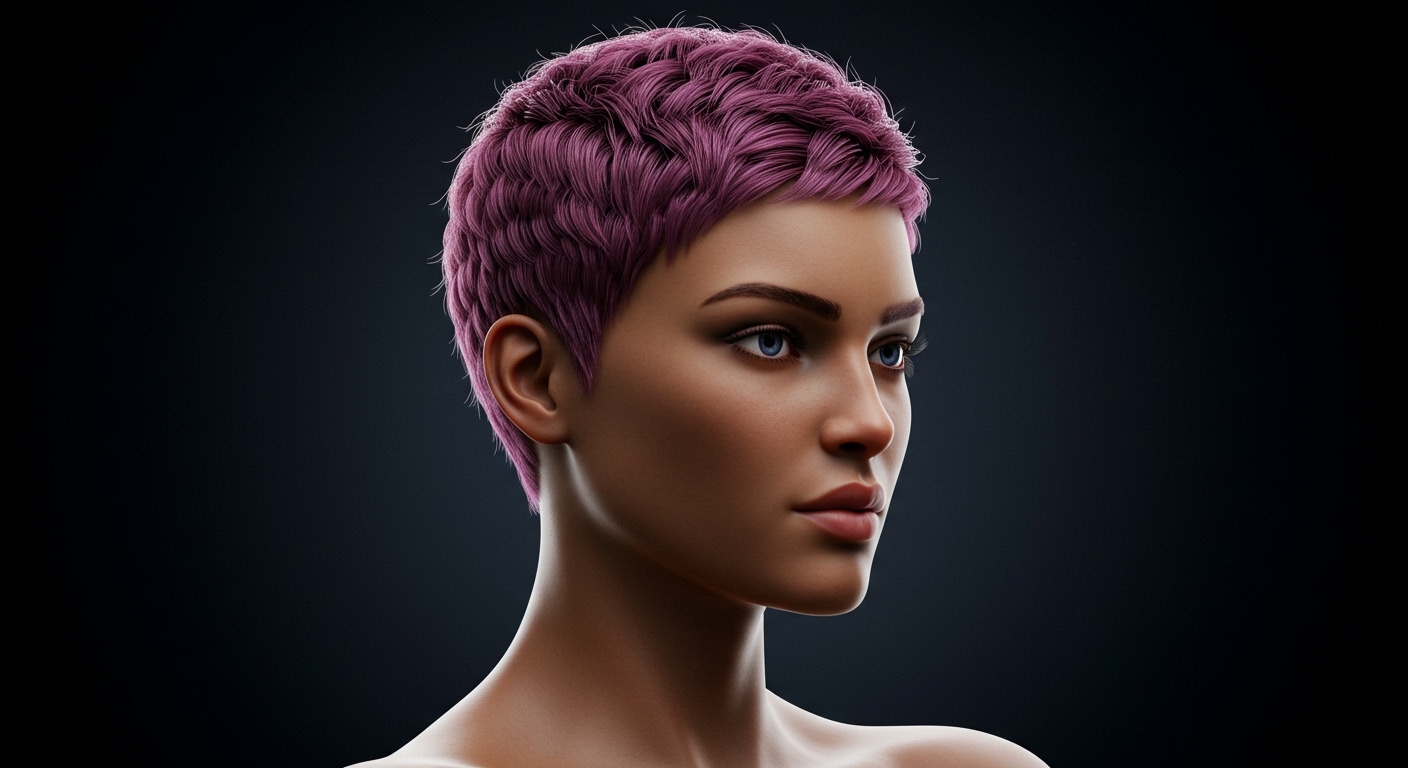
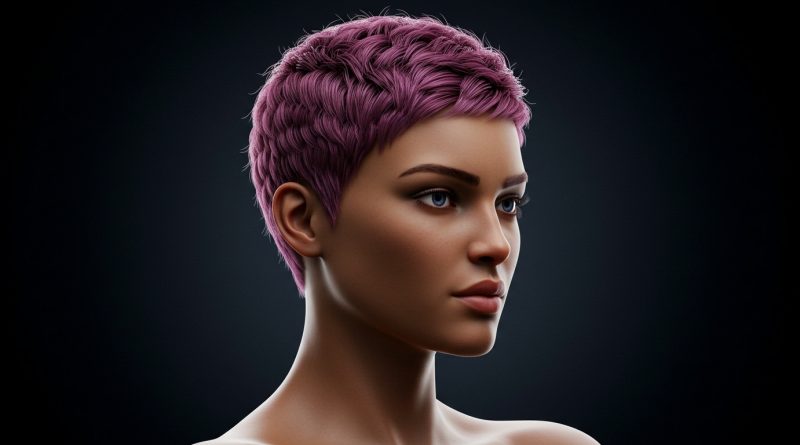
The new guide-based hair grooming tool Sisir offers free commercial use, signaling a broader shift in digital asset creation.
A distinct pattern emerges from recent developments: the convergence of highly specialized, free-to-use procedural tools with extensive, discounted libraries of scanned PBR materials. This combination democratizes the achievement of hyper-realism in virtual spaces, making high-fidelity assets and complex detailing, previously exclusive to large studios, accessible to a wider creator base. The availability of tools like Sisir and vast PBR material bundles means that the bottleneck for advanced visual fidelity is shifting away from resource acquisition and towards creative application.
Consider the ongoing development of titles such as Tomb Raider: Legacy of Atlantis. While a AAA studio maintains its proprietary pipelines for specific assets and workflows, the general industry opinion often overestimates the cost barrier to achieving comparable visual quality. The mainstream assumes that the deep R&D budgets of large publishers are indispensable for cutting-edge hyper-realism. This view overlooks the rapid maturation of open-source ecosystems and asset marketplaces. These platforms provide sophisticated procedural generation capabilities and physically accurate material representations, fundamentally altering the economics of virtual world building. They equip smaller teams with tools for intricate detailing, such as realistic hair dynamics and nuanced surface textures, directly impacting overall fidelity and lighting dynamics within virtual environments.
The true differentiator is increasingly becoming the intelligent integration of these widely available resources rather than their exclusive development. By early 2028, independent studios will routinely demonstrate visual fidelity in their virtual experiences that directly rivals current AAA benchmarks, achieved through an optimized blend of open-source procedural generation tools, cost-effective PBR material libraries, and advanced real-time lighting engines. This trajectory suggests that raw computational power combined with accessible, high-quality data and specialized procedural tools will redefine expectations for visual fidelity across all scales of production.
The primary resistance to this democratized hyper-realism comes from established studios with entrenched, monolithic pipelines. These organizations often face internal inertia and significant refactoring challenges in adopting flexible, open-source procedural workflows or integrating massive, external asset libraries. Their existing infrastructure, built around specific proprietary tools and sequential art production, struggles to adapt to the agility and efficiency offered by these new combined approaches.
A working 3D Modeling professional should immediately download and integrate Sisir or a similar guide-based hair tool into a current project, focusing specifically on how it interacts with real-time lighting within a game engine. This exercise should reveal the impact of granular detail on overall scene realism and prompt exploration into more procedural workflows for complex asset generation.
TL;DR
Accessible procedural tools and affordable PBR assets are rapidly democratizing hyper-realistic virtual production, challenging traditional industry assumptions about resource requirements.
Curated References
About this editorial — This piece was developed using AI-assisted research and curation across multiple industry sources. All analysis, opinions, and predictions represent the editorial perspective of JHDD. Sources are linked in the references section above.