JHDD Interior Report — 2026.07.24
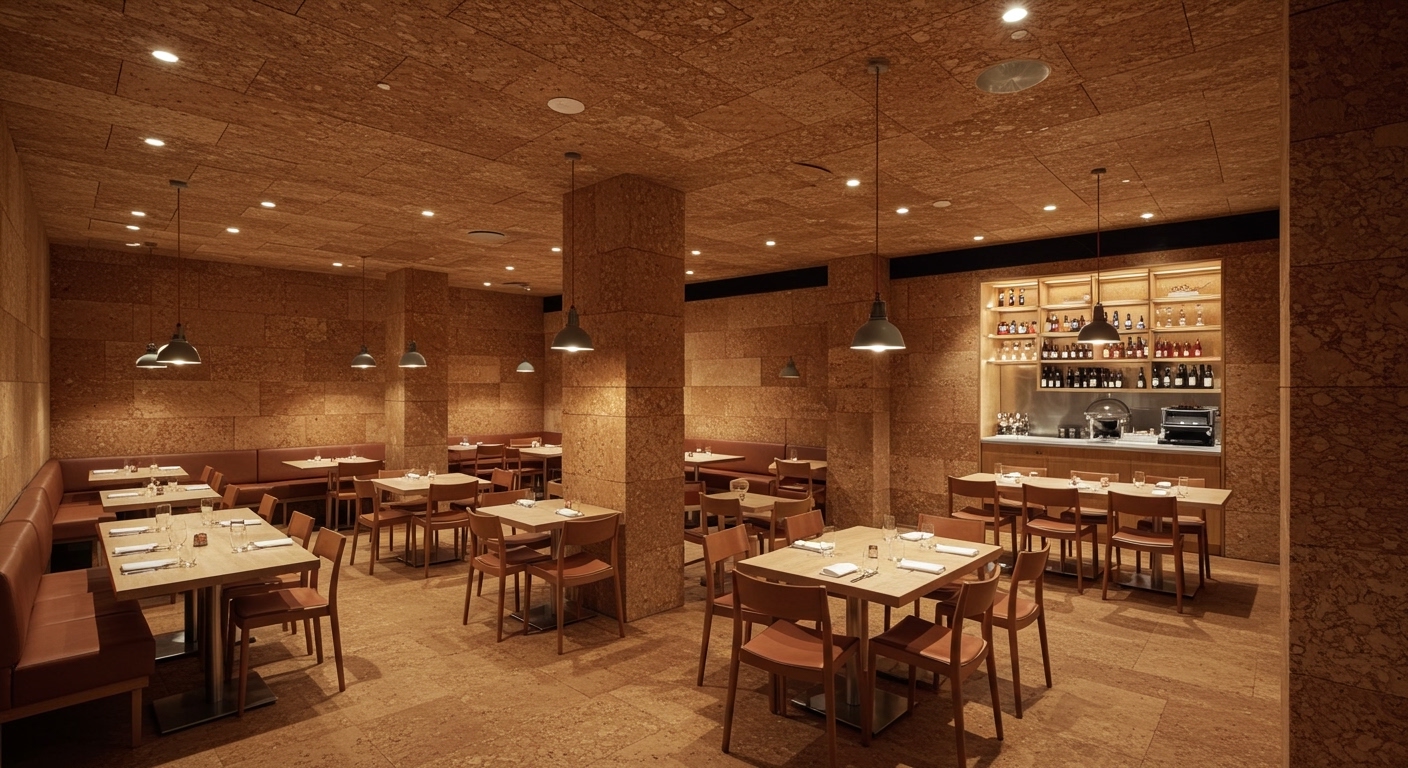
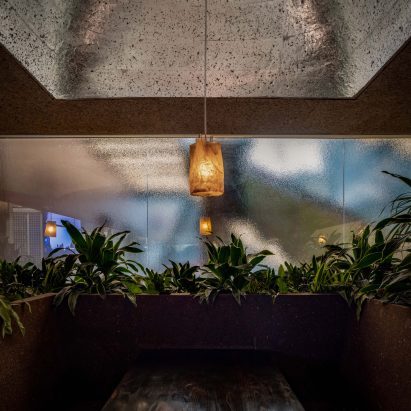
OMA’s Oberon restaurant, situated within the New Museum’s expansion, uses cork cladding to define its interior.
Across recent projects, from Joyce Wang Studio’s Genso restaurant in Hong Kong to Suite Arquitetos’ Casa Magma showroom in São Paulo, a distinct pattern emerges: the deliberate crafting of contained, sensory-rich spatial experiences. These designs prioritize immersive material palettes and precise human flow, often within existing or repurposed structures, creating specific worlds rather than adaptable backdrops. The emphasis is on deep tactile engagement and controlled spatial tension, drawing occupants into a highly curated narrative.
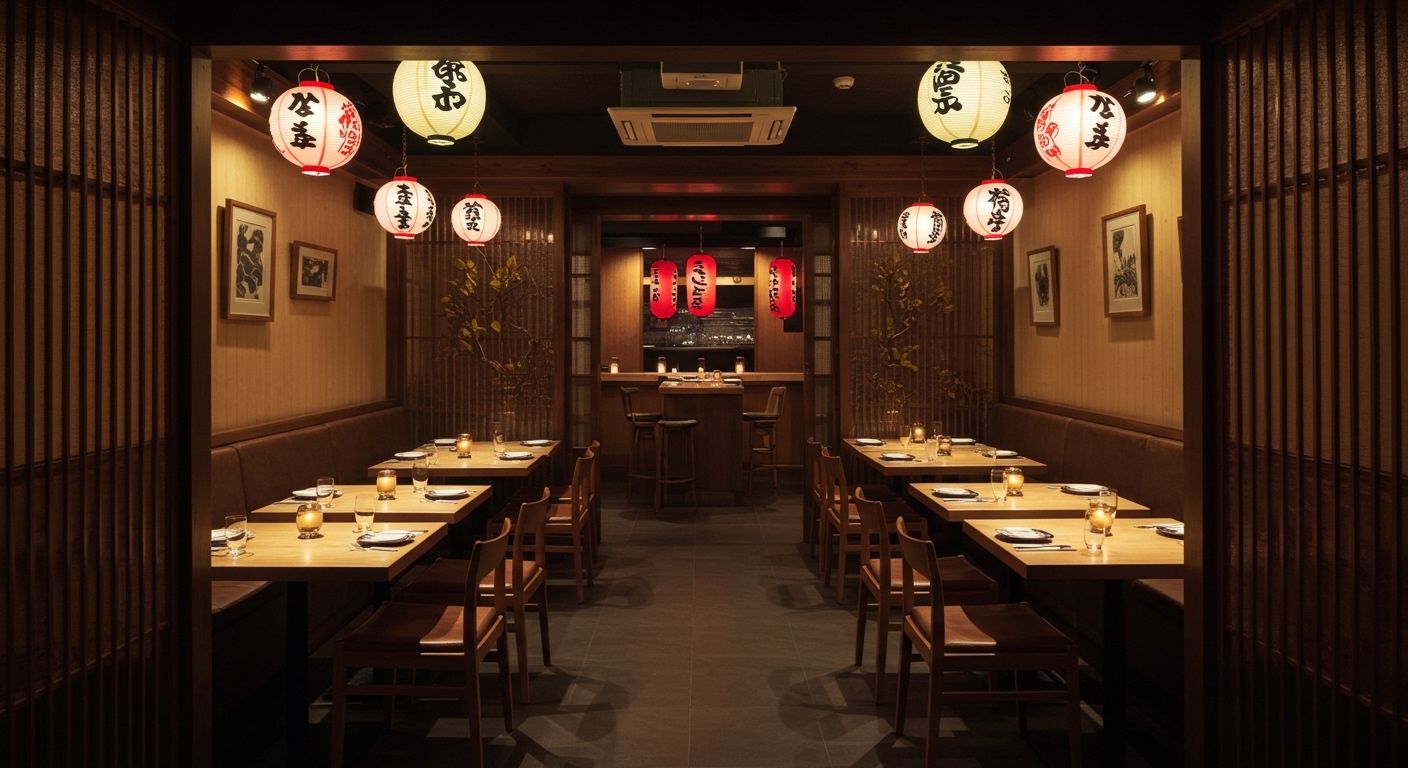
Joyce Wang Studio’s Genso restaurant, with its alley-like walkways and lanterns, meticulously recreates the intimate, winding experience of Tokyo’s Golden Gai. This approach directly challenges the mainstream industry’s prevailing focus on open-plan flexibility and broad appeal for commercial spaces. Designers often assume that a more versatile layout will attract a wider demographic; however, Genso demonstrates that hyper-specific spatial constriction, coupled with rich tactile details, generates a more profound and memorable sense of place. The perceived limitation of a highly narrativized space becomes its core strength, fostering a deeper, more personal engagement with the environment. By mid-2027, demand will intensify for commercial interiors that prioritize intricate spatial sequencing and material storytelling over expansive, undifferentiated volumes.
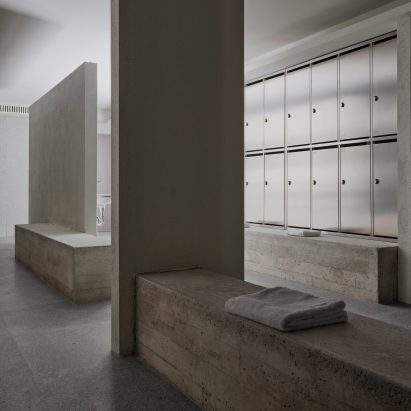
Similarly, Ortega Diago’s brutalist changing rooms for a San Sebastian factory represent a thoughtful application of design principles to a program typically stripped of spatial consideration. The studio’s use of robust materials and defined passages shapes human flow and imbues a utilitarian space with unexpected dignity. This directly contradicts the conventional wisdom that rigorous design, particularly concerning materiality and spatial tension, is reserved for high-visibility or luxury programs. The idea that functional or back-of-house areas do not warrant significant aesthetic and experiential investment overlooks their profound impact on daily human experience. Within two years, more industrial and support facilities will see design interventions that prioritize tactile integrity and deliberate spatial flow, moving beyond mere functional layouts to enhance user well-being.
The persistent opposing force to this trend remains the pervasive influence of cost-reduction strategies and value engineering, which often prioritize cheaper alternatives over the integrity of a chosen material palette or the careful execution of complex spatial relationships. This commercial pressure frequently undermines the nuanced material choices and controlled flow essential to creating these distinctive, immersive environments.
Interior professionals should conduct a detailed material and flow audit on their current projects, specifically evaluating how each material contributes to a sequential tactile journey and how circulation paths generate intentional moments of compression or expansion, rather than simply fulfilling aesthetic or functional requirements.
TL;DR
Contemporary interior design increasingly favors specific, tactile, and spatially controlled experiences over generic adaptability.
Curated References


About this editorial — This piece was developed using AI-assisted research and curation across multiple industry sources. All analysis, opinions, and predictions represent the editorial perspective of JHDD. Sources are linked in the references section above.