JHDD Branding Report — 2026.07.21
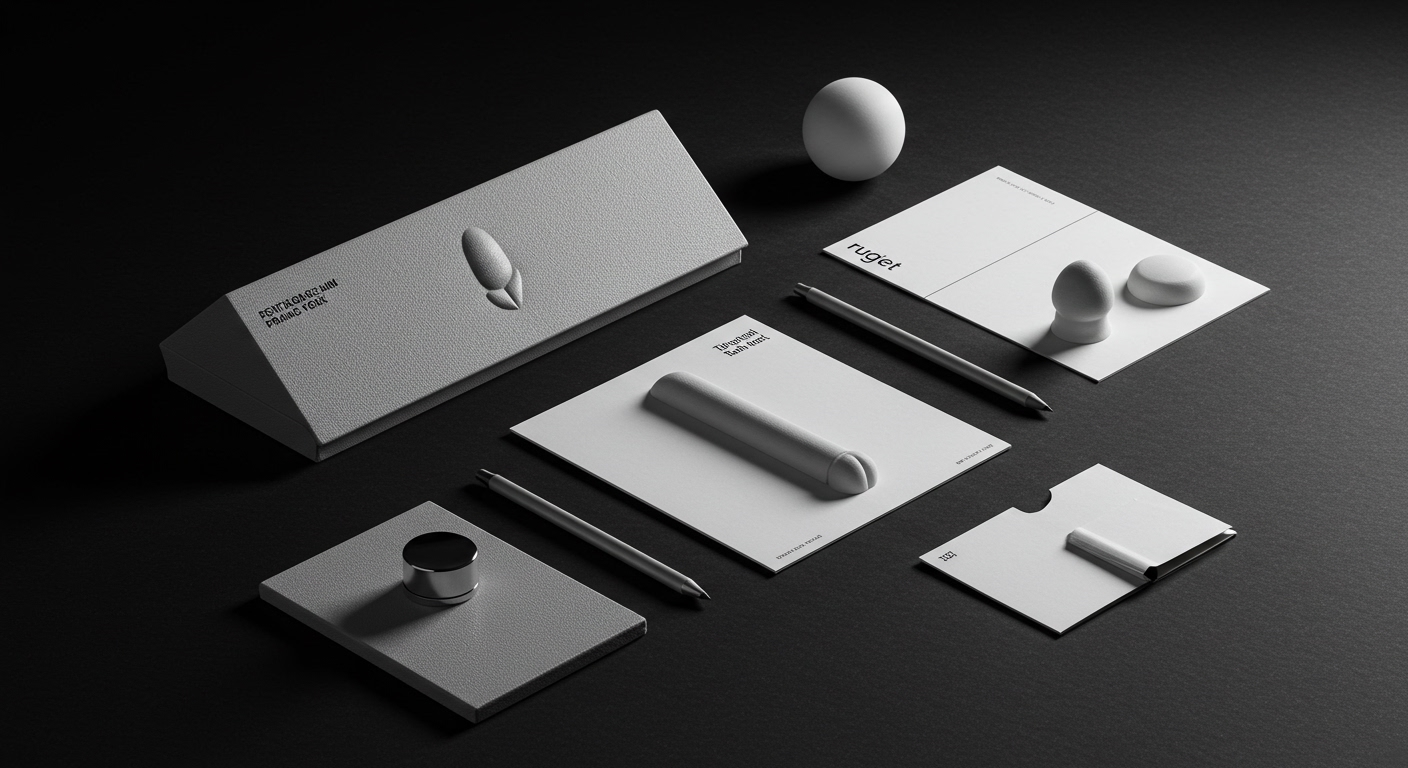
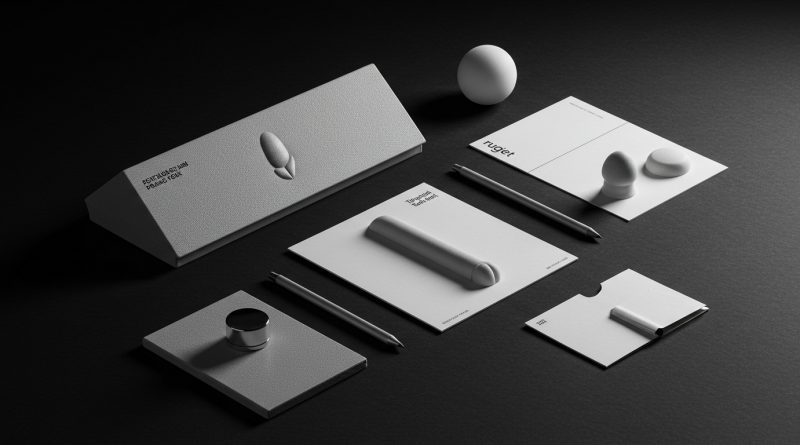
Pentagram New York’s identity for Rugiet uses unabashedly phallic designs, intentionally disrupting expectations for a men’s health brand.
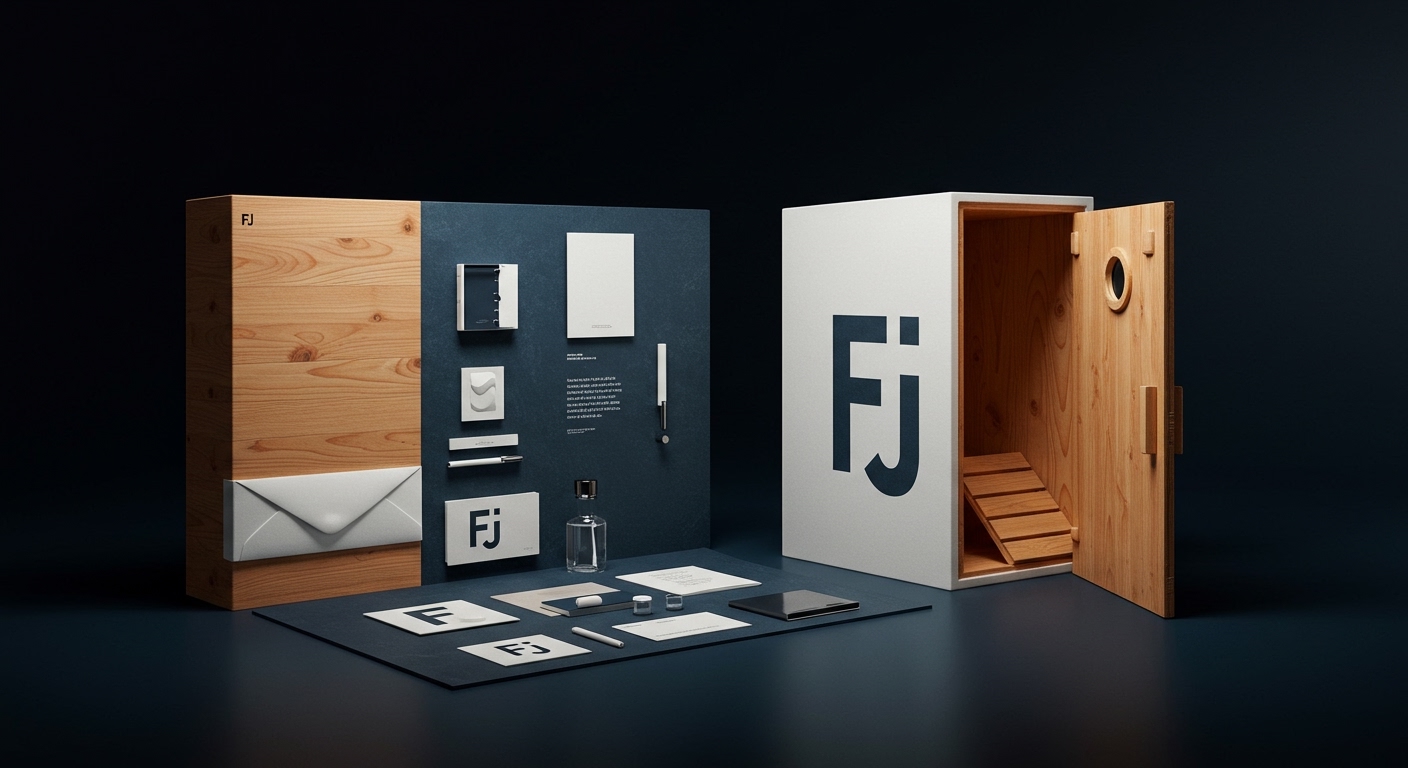
This specific choice by Pentagram, alongside DutchScot’s industrial aesthetic for the Fjord sauna experience and JKR’s heritage-driven overhaul of Sporting CP, reveals a significant shift in brand identity strategy. Rather than striving for universal appeal or bland category conformity, these projects prioritize a precise cultural signal, often leveraging specific historical or conceptual underpinnings. The objective is not broad consensus but sharp, distinct positioning within a crowded cultural landscape. This approach challenges pre-existing notions of appropriate visual language for their respective sectors, creating clarity and memorability through deliberate differentiation.
JKR’s approach to Sporting CP exemplifies a potent strategy: the deliberate “plundering” of heritage. Conventional wisdom often dictates that modern brands must shed historical baggage to appear forward-looking, especially in dynamic fields like professional sports or fast-moving consumer goods. However, JKR, also known for its foundational work with Burger King, demonstrates that deeply embedded historical assets are not liabilities but foundational elements for robust contemporary identities. Their work with Sporting CP did not invent novelty but rather refined existing visual cues and established iconography, making them simple, powerful, and deeply resonant. This contrasts sharply with the common tendency to seek entirely new visual lexicons, which often results in generic, short-lived trends rather than enduring brand equity and cultural resonance.
This focus on re-interpreting, rather than rejecting, a brand’s authentic past creates a resilience against the rapid churn of digital aesthetics and superficial trend cycles. By mid-2027, more brands will explicitly seek agencies capable of distilling complex histories and deep category archetypes into elemental, powerful visual systems that resonate both culturally and functionally. Brands recognizing this will see stronger, more memorable identities that command greater cultural attention and sustain relevance over time, building significant brand equity. This approach allows a brand like Sporting CP to connect profoundly with long-standing fan bases while attracting new generations, a critical balance often missed by purely trend-driven rebrands focused on immediate novelty.
The primary resistance to this strategy comes from risk-averse marketing departments and procurement processes that prioritize quantifiable short-term gains and fear any visual departure from perceived market norms. These entities often favor generic “safe” designs, which replicate existing successful aesthetics, rather than investing in distinctiveness. This approach dilutes differentiation and ultimately erodes brand equity through mimicry. This conservative stance, often driven by a misunderstanding of what truly constitutes effective brand distinctiveness and a reluctance to challenge stakeholder comfort, hinders the implementation of more courageous and historically informed visual strategies.
Branding professionals should, this week, audit a client’s or internal brand’s existing visual identity for superficial trends versus deep-seated cultural relevance. Identify specific visual or narrative elements rooted in the brand’s genuine history, founding purpose, or the category’s archetypal form. Propose a single, bold visual execution that directly leverages or thoughtfully reinterprets one such element, even if it initially feels unconventional for the current market. This action aims to cultivate truly distinctive equity rather than simply updating the logo or palette according to transient styles.
TL;DR
Successful brands are leveraging specific historical and conceptual elements to create distinctive visual identities that resist generic trends.
Curated References





About this editorial — This piece was developed using AI-assisted research and curation across multiple industry sources. All analysis, opinions, and predictions represent the editorial perspective of JHDD. Sources are linked in the references section above.