JHDD Branding Report — 2026.07.20
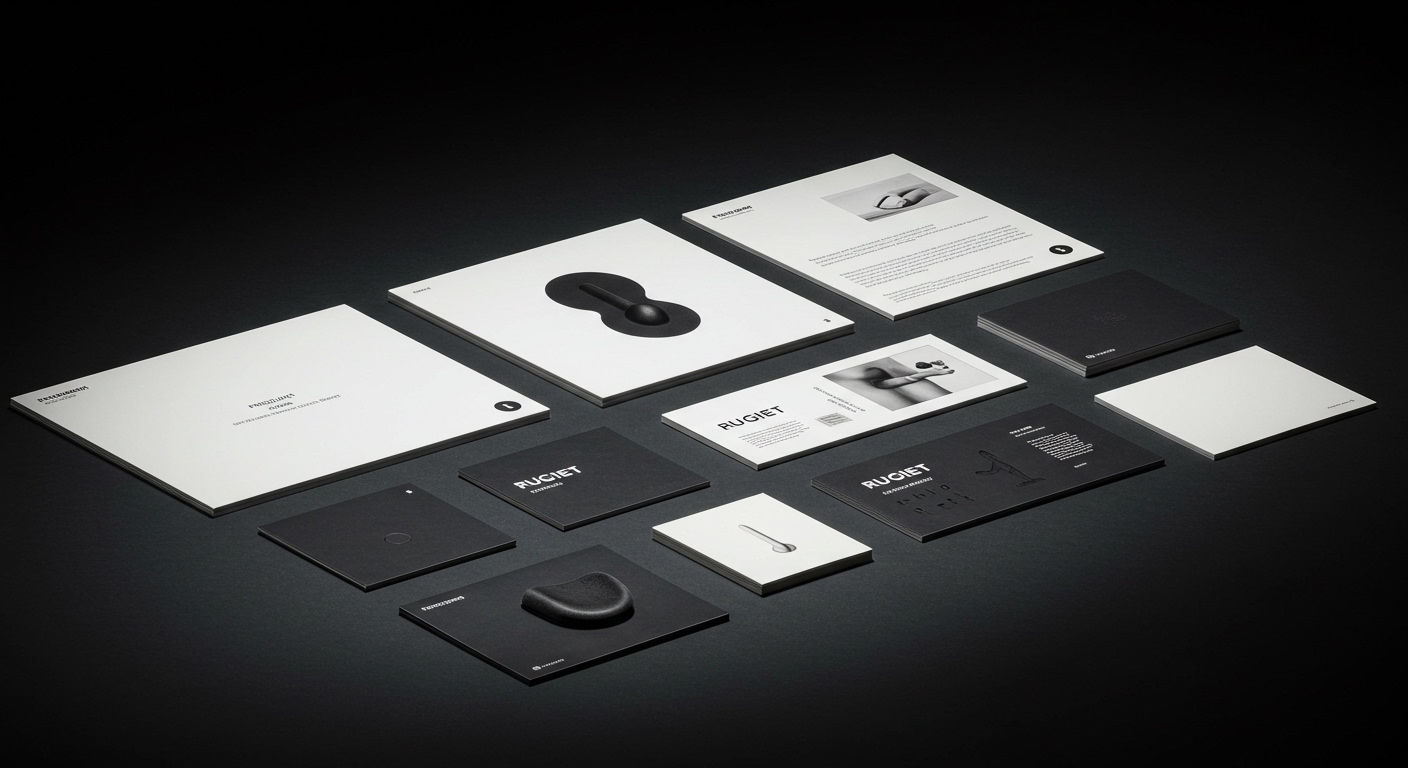
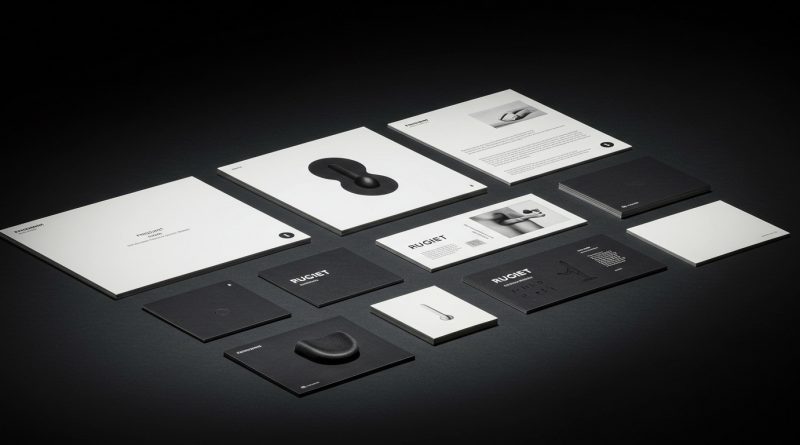
Pentagram’s designs for the male health brand Rugiet feature unabashedly phallic imagery.
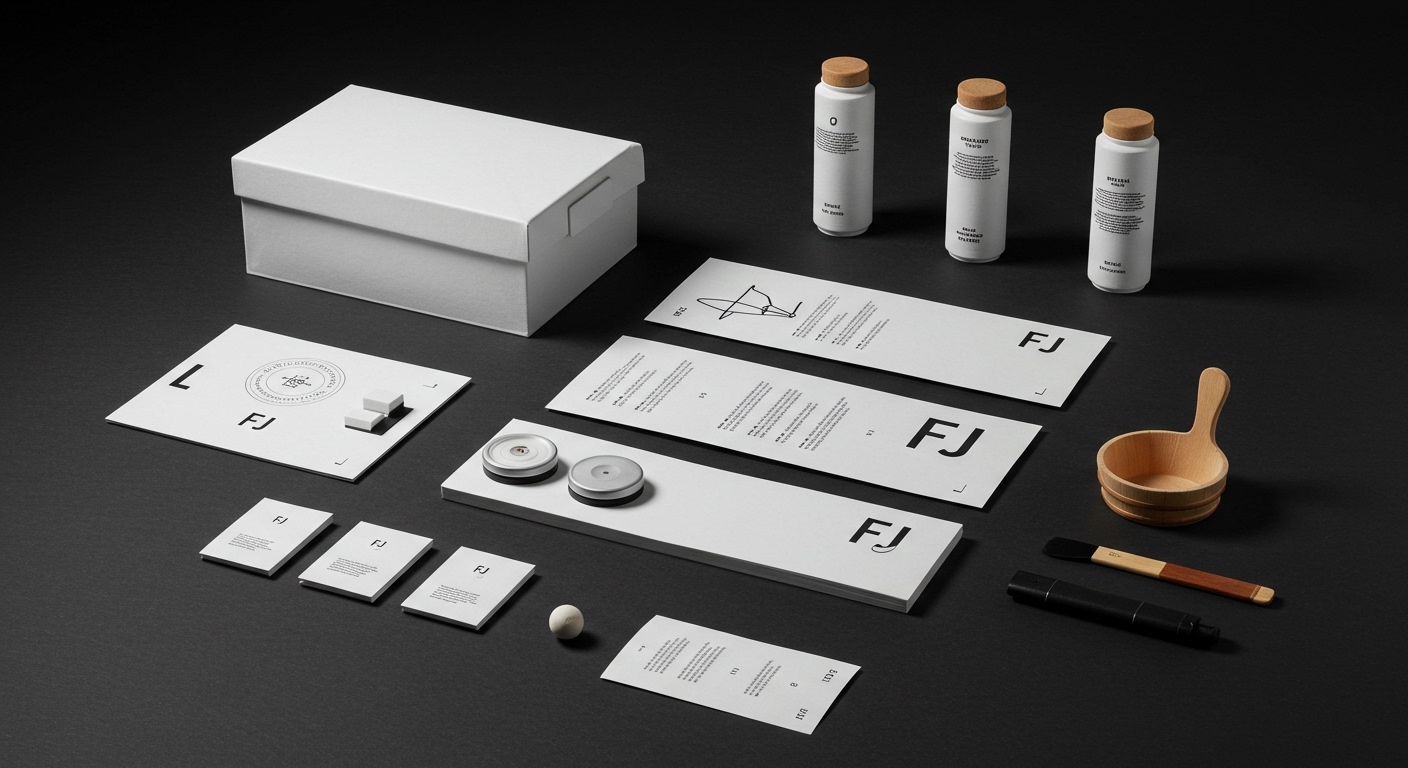
This directness, whether explicit in visuals or implied through stark conceptual aesthetics, represents a strategic shift where visual identity systems are increasingly used to aggressively define and carve out new market positions by embracing specificity over broad appeal. The Fjord sauna, for instance, avoids generic wellness positioning entirely, instead adopting an industrial, conceptual aesthetic that places it between architecture and outdoor recreation. These varied approaches share a common thread: a deliberate choice to lean into distinctive, even provocative, visual identities to signal a precise market offering.
Rugiet exemplifies this strategy. Its “unabashedly phallic” visual identity, crafted by Pentagram, could be perceived as a high-risk choice for a brand offering personalized, clinically-backed treatments online. However, this visual language functions as a clear statement of confidence and frankness within a male health category often characterized by euphemism or clinical abstraction. It positions Rugiet distinctly from competitors, fostering immediate recognition and a robust cultural signal for its specific target demographic. This approach prioritizes deep resonance over universal acceptance, building a brand equity rooted in clear self-definition.
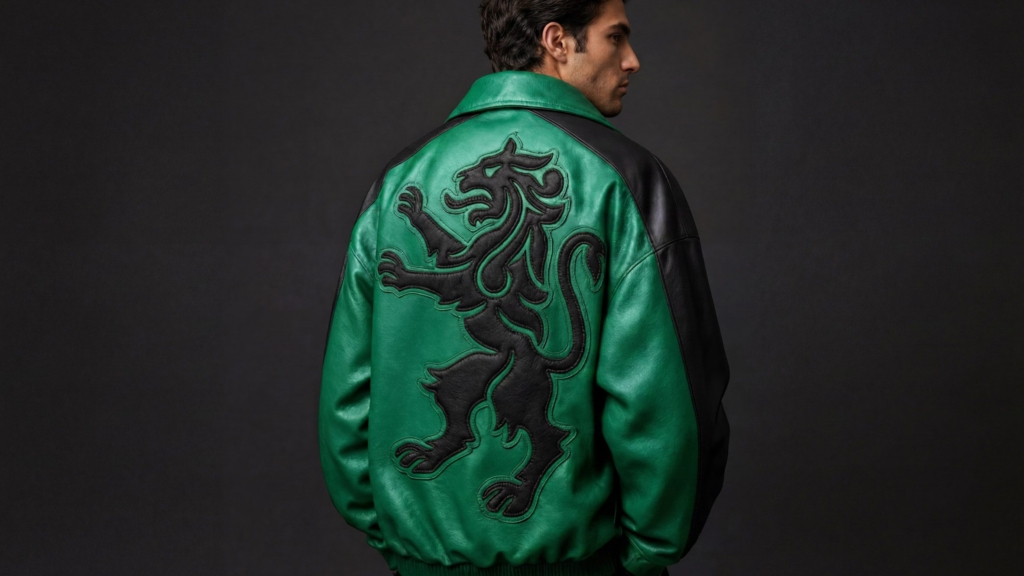
Conventional wisdom often maintains that broad appeal and subtle cues are paramount for establishing enduring brand equity, particularly in sensitive market segments. The prevailing industry opinion suggests that overt or “on-the-nose” visual metaphors risk alienating potential customers and limiting long-term growth. This perspective, however, overlooks the strategic power of deliberate specificity. For brands like Rugiet, or JKR’s robustly simple overhaul of Sporting CP plundering heritage, leaning into a bold, defining visual language cultivates potent brand equity within a precisely defined audience. It creates an undeniable cultural signal that attracts those who connect with its directness, rather than diluting its message for mass appeal. This approach will foster a stronger, more loyal customer segment by mid-2027 than a brand opting for perceived safety.
Resistance to this trend often stems from corporate stakeholders within established brands who operate with inherently risk-averse marketing frameworks. These entities are reluctant to deviate from proven, albeit sometimes generic, strategies that prioritize quantitative market research indicating broad appeal over the qualitative impact of a sharp, distinctive cultural signal. This conservatism is frequently reinforced by internal brand guidelines that emphasize consistency and universal accessibility above disruptive differentiation.
Branding professionals should shift their initial research efforts to conduct targeted ethnographic studies within niche communities, seeking to uncover authentic visual codes and unspoken signals that deeply resonate with specific cultural segments. This practice, moving beyond broad demographic data, will inform the development of visual identity systems that are highly specific, culturally attuned, and capable of generating strong brand equity, even if they appear unconventional to a generalized audience.
TL;DR
Successful brand equity increasingly relies on visual identity systems that embrace specificity and directness over generalized appeal.
Curated References




About this editorial — This piece was developed using AI-assisted research and curation across multiple industry sources. All analysis, opinions, and predictions represent the editorial perspective of JHDD. Sources are linked in the references section above.