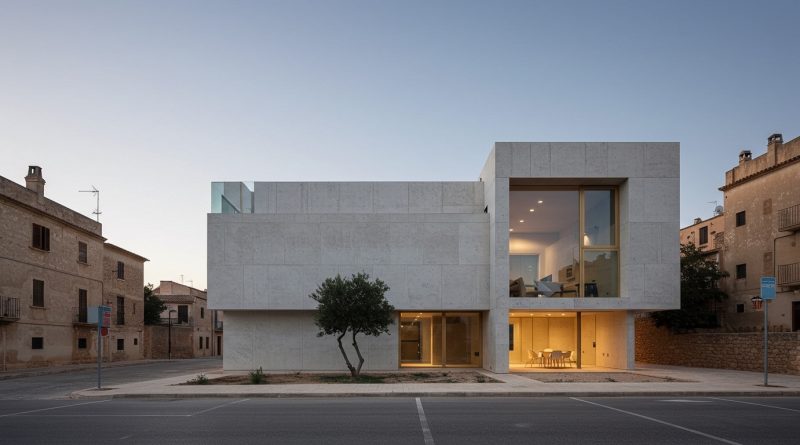
JHDD Architecture Report — 2026.07.19
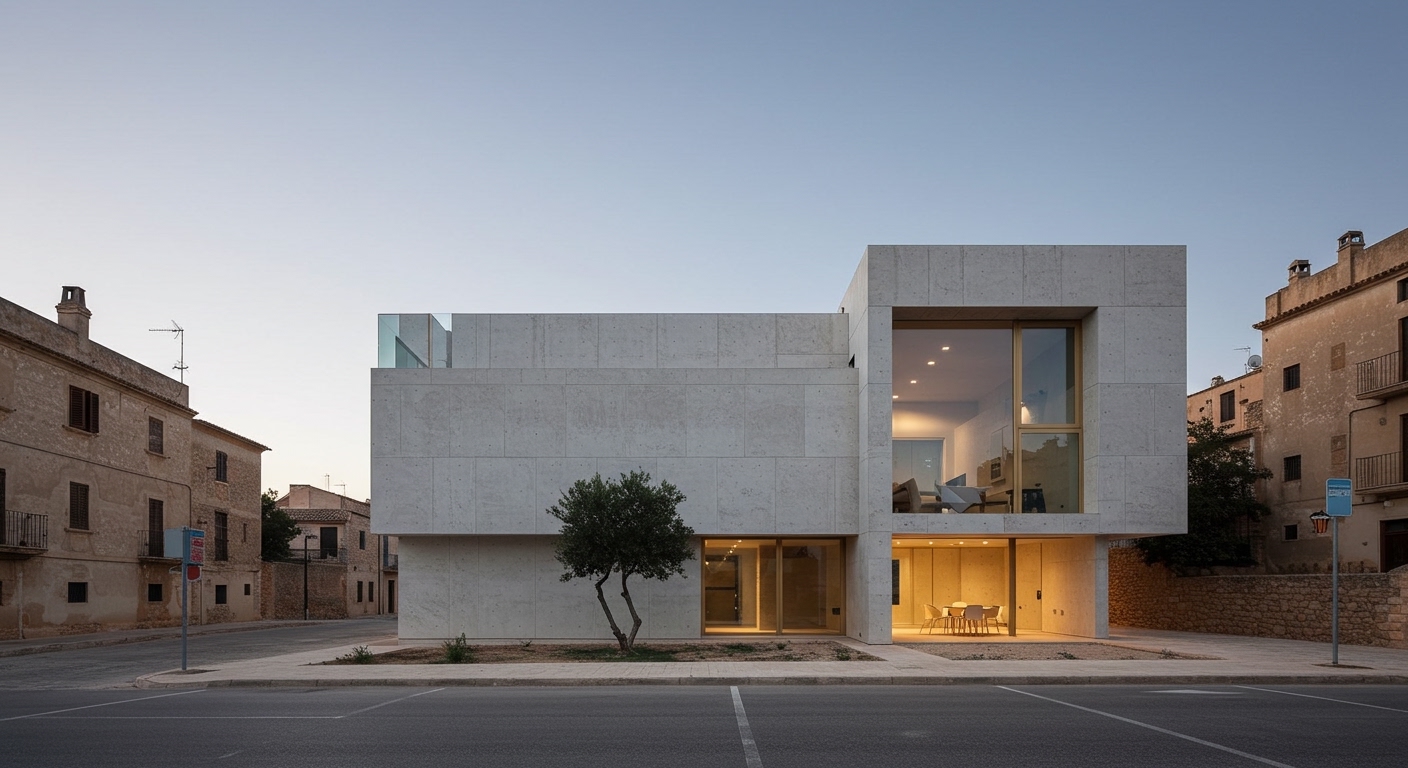
Bastidas Architecture’s transformation of the Former Printing Press in Artà into a contemporary family home exemplifies a critical pivot in how the built environment views its past.
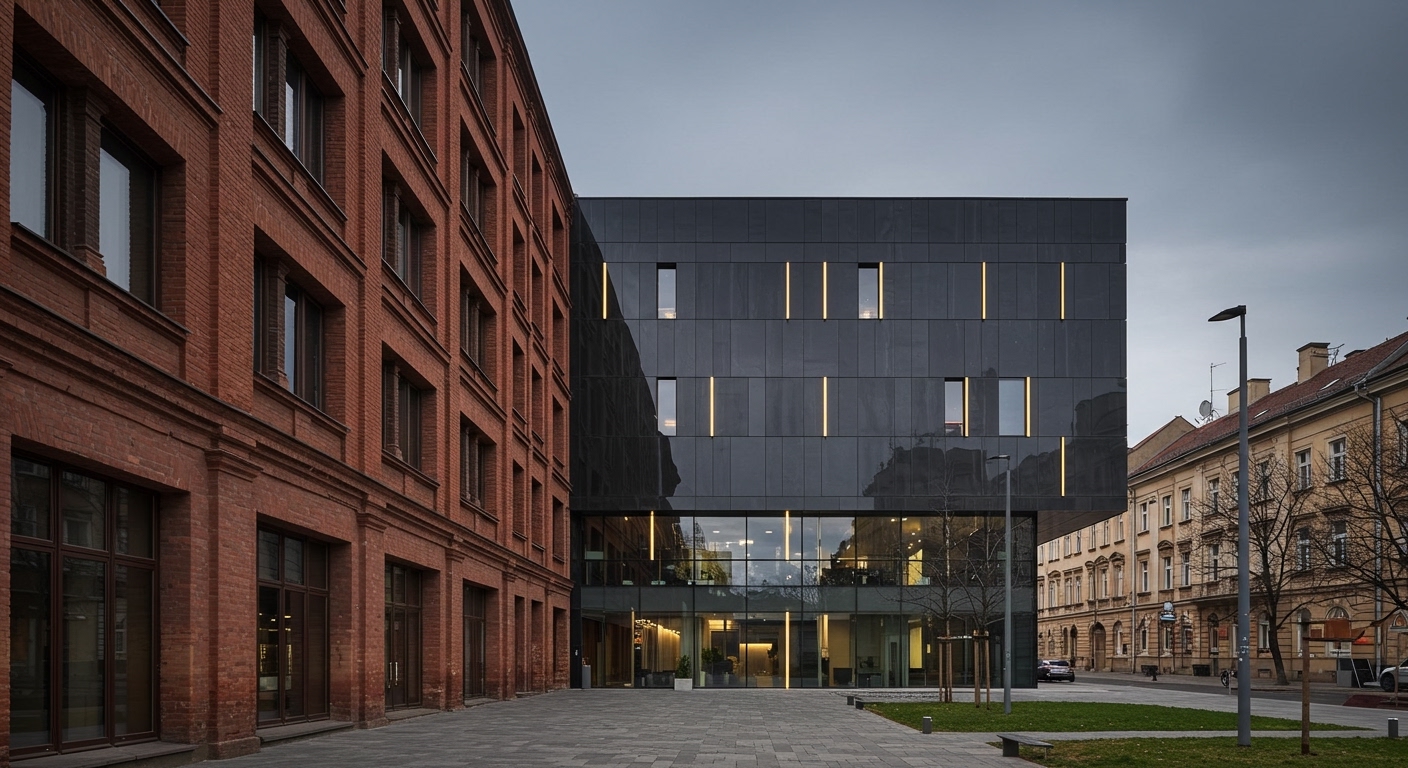
Across various projects, from KIP arhitekti’s Halcom Offices occupying two thirds of a tripartite industrial building to the Elementary House by YUMI Architekci on the outskirts of Warsaw, a subtle yet profound pattern emerges: a re-evaluation of architecture’s relationship with time and context. This involves more than simple adaptive reuse or a desire for natural connection. It is a conscious grappling with the inherent narratives embedded in materials and places, whether they are industrial relics or natural landscapes.
The industry often celebrates the picturesque integration of modern elements into traditional forms, as seen in the romanticized “cottage living rooms” lookbooks. However, this aesthetic appeal frequently overshadows a deeper, more challenging structural philosophy required for genuine urban responsibility. Bastidas Architecture’s project in Artà does not merely overlay new functions onto an old shell; it redefines the very relationship between structure, light, and Mediterranean living within the inherited framework of a printing press. The critical insight here is that true material honesty involves acknowledging and extending the life of existing structures; it moves beyond showcasing raw concrete or exposed timber. Many current approaches to preservation remain superficial, focusing on façade retention while gutting the interior, whereas projects like the Former Printing Press Refurbishment demonstrate that structural integrity and spatial memory can coexist with modern programmatic needs.
A common industry perspective suggests that sustainability in existing buildings is primarily about energy efficiency upgrades or material recycling. This viewpoint misses the foundational sustainability inherent in honoring the initial investment of energy, labor, and resources in the original construction. The shift in focus proposed by ‘Belonging to the Earth: Architecture in the Worldviews of Indigenous Peoples of Latin America’ moves beyond mere techniques to worldviews; this same critical lens should apply to our industrial heritage. By mid-2028, leading urban development policies in several European cities will mandate a ‘memory audit’ for all significant refurbishment projects, requiring architects to formally articulate how their interventions preserve or extend the structural and cultural narratives of the original edifice, distinct from merely calculating material take-down and replacement.
The opposing force to this nuanced approach is the pervasive financial model that prioritizes speculative return on investment and rapid construction cycles. This model favors demolition and new build for perceived efficiency, or superficial ‘heritage’ overlays for marketing appeal, rather than the complex, often slower, and more technically demanding process of truly integrated adaptive reuse. It is reinforced by zoning regulations that are often easier to navigate for tabula rasa developments than for intricate historical modifications, and by construction methodologies geared towards standardized, disposable components.
Working architecture professionals should immediately integrate a ‘structural narrative assessment’ into the preliminary design phase for any renovation or adaptive reuse project. This assessment goes beyond engineering reports to include a socio-cultural and material history of the building, seeking explicit ways to retain or reinterpret original structural elements for their inherent contribution to the building’s identity and urban context, which extends beyond simple efficiency. This means engaging with construction heritage specialists early and advocating for design solutions that prioritize minimal intervention on load-bearing elements, exploring how even seemingly obsolete structural forms can be re-purposed or celebrated.
TL;DR
Genuine architectural sustainability is found in extending the structural and cultural life of existing buildings through thoughtful adaptation, transcending mere material recycling or surface aesthetics.
Curated References

About this editorial — This piece was developed using AI-assisted research and curation across multiple industry sources. All analysis, opinions, and predictions represent the editorial perspective of JHDD. Sources are linked in the references section above.