JHDD Packaging Report — 2026.07.15
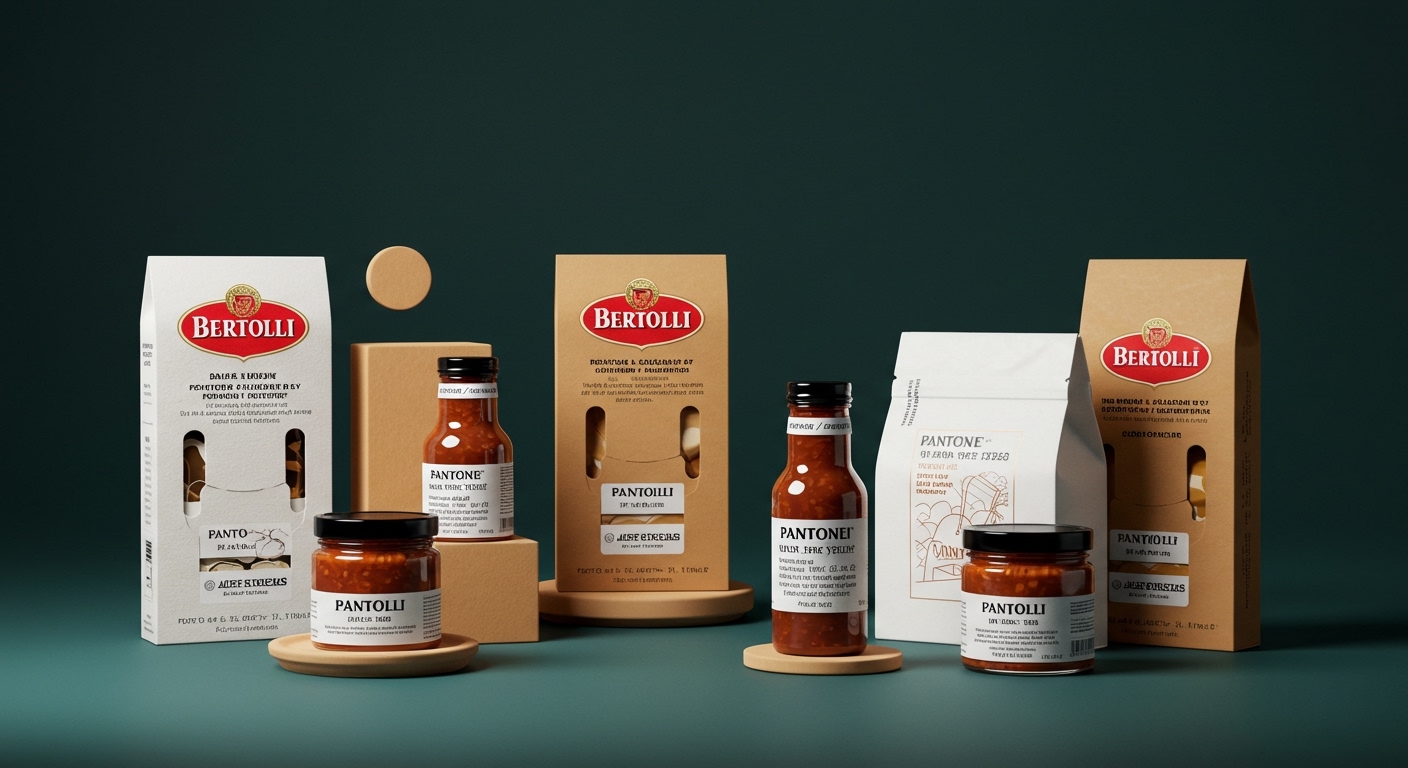
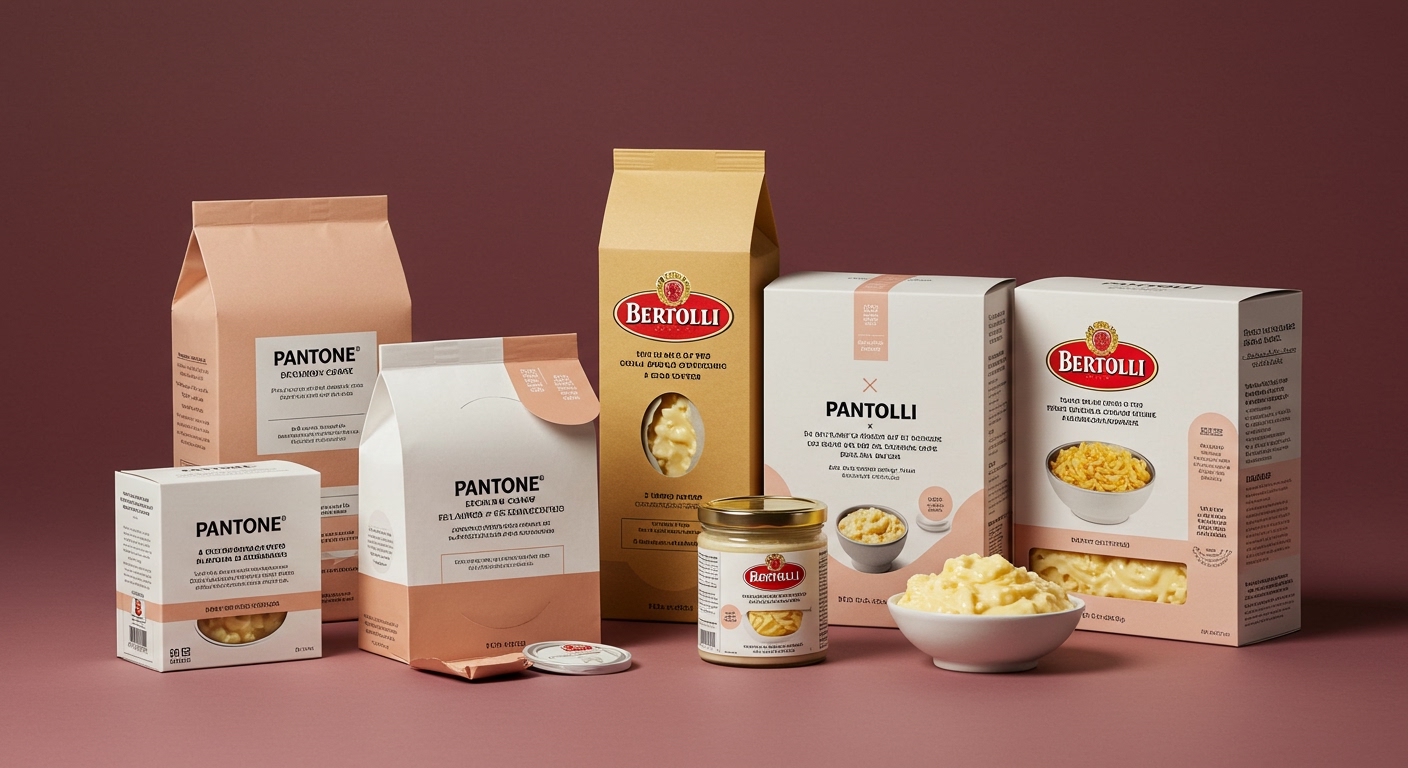
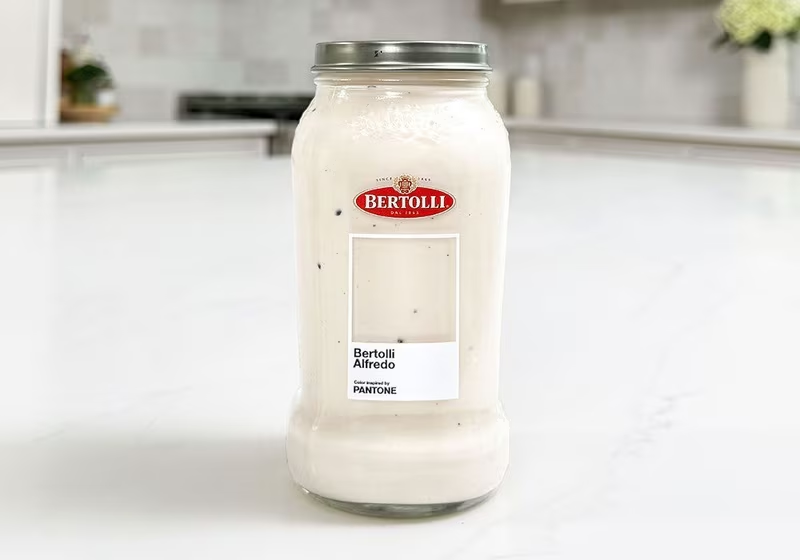
The Pantone x Bertolli collaboration, featuring the 2026 Color of the Year, Cloud Dancer, demonstrates a shift from mere visual appeal to multi-sensory branding that evokes a specific taste and texture.
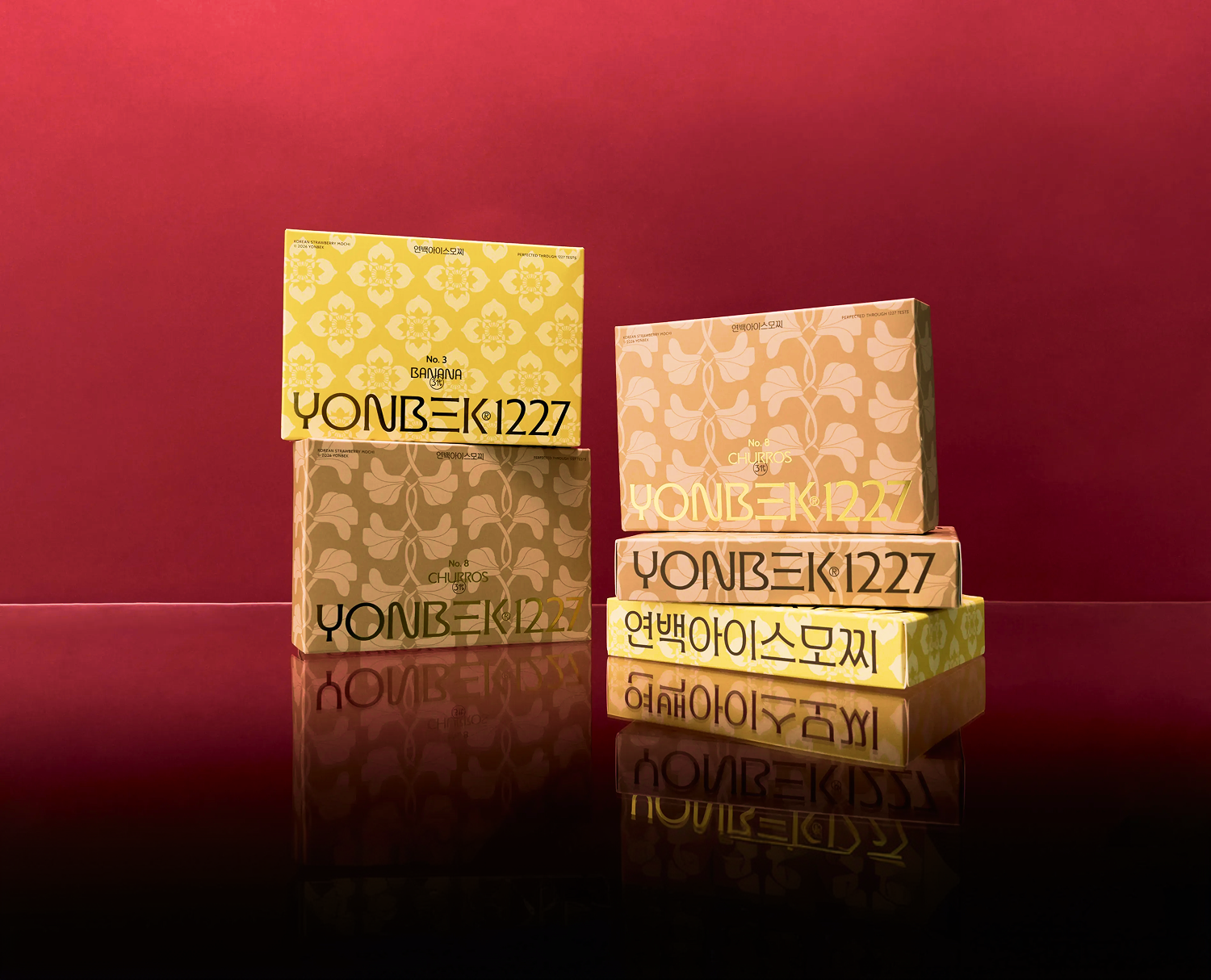
Recent brand initiatives reveal a converging trend where the tactile and emotional dimensions of consumption are no longer afterthoughts but central to product identity. This involves weaving intrinsic brand stories, like YONBEK 1227’s 1,227 recipe attempts, directly into packaging aesthetics and experiential activations. This elevates the humble package from a container to a critical brand touchpoint.
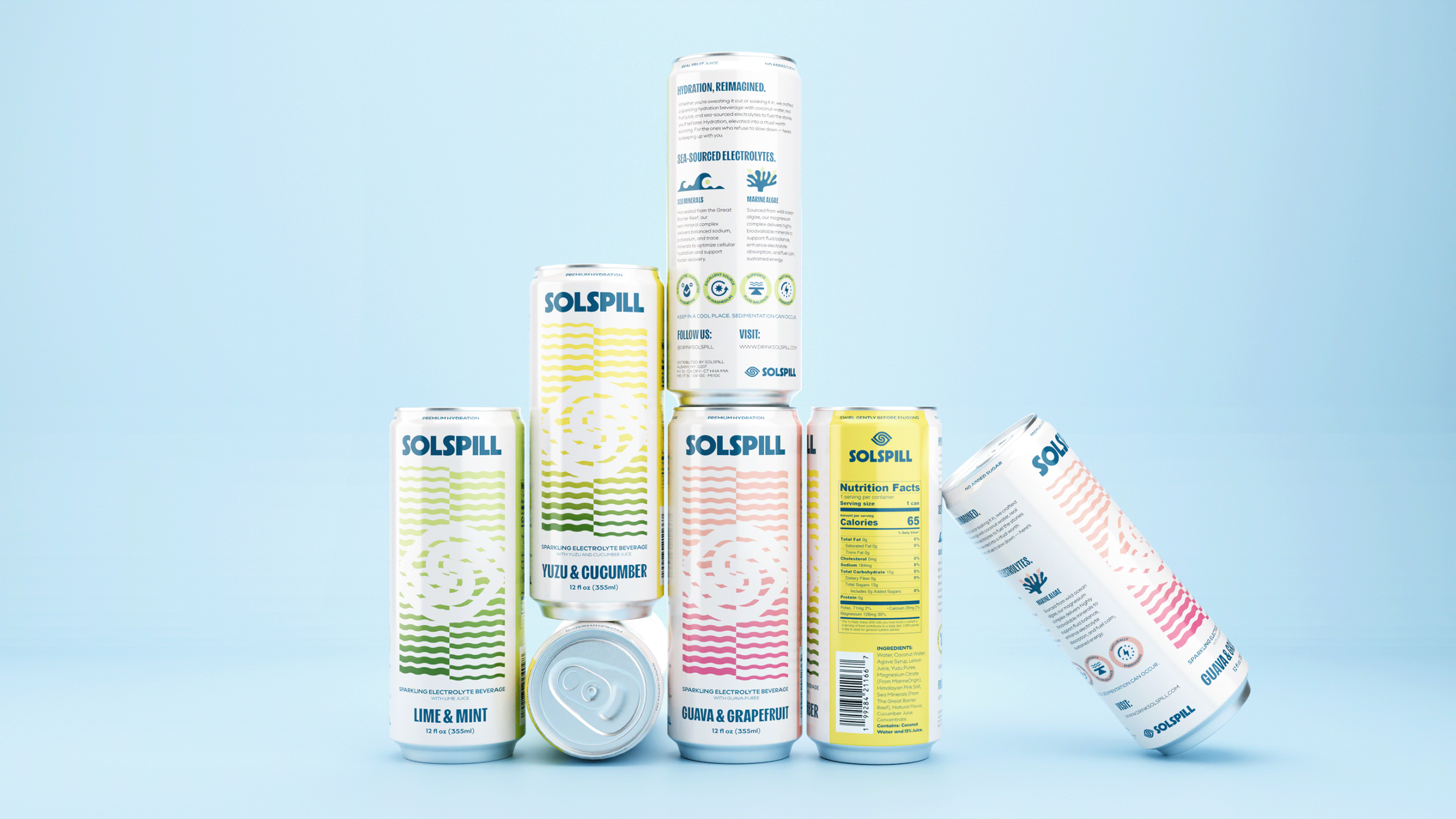
HolmanDesign’s work for Solspill, creating a “sun soaked identity with rippling color gradients,” exemplifies how visual cues are engineered to deliver an emotional state directly. Mainstream industry wisdom often over-emphasizes material innovation as the primary driver of sustainable packaging impact. However, the most profound sustainability comes from packaging that is so experientially compelling it fosters a lasting connection with the product, reducing impulse consumption and waste by promoting mindful interaction. By early 2028, brands will increasingly invest in packaging experiences that extend product lifespan through emotional attachment rather than solely focusing on biodegradable or recycled content.
Consider the ‘luxury aesthetic’ of McDonald’s ‘Shake n’ Serve’ for Wimbledon, crafted by Leo UK. This temporary activation shows how transient experiences can elevate a brand beyond its everyday offering. Many packaging designers are still preoccupied with “shelf impact” as the ultimate goal. This view is insufficient. True impact now extends to the unboxing and post-consumption experience, where the tactile qualities – the weight, the texture, the sound of opening – become part of the brand narrative. Within two years, success will be measured by how long consumers retain or reuse packaging due to its inherent experiential value, even for consumable goods, driving down perceived disposability.
The primary resistance to this experiential approach comes from cost-driven procurement departments, focused on unit price and material specifications rather than the holistic value of experiential design and long-term brand equity. This internal pressure often prioritizes immediate savings over the subtle, yet powerful, influence of refined tactile branding.
A working Packaging professional should immediately conduct a “sensory audit” of their current product’s packaging, evaluating not just visuals, but also weight, material feel, opening mechanism, and even sound, mapping each point to a specific brand attribute or desired emotional response.
TL;DR
Packaging is becoming less about material science and more about crafting a specific sensory journey for the consumer.
Curated References


About this editorial — This piece was developed using AI-assisted research and curation across multiple industry sources. All analysis, opinions, and predictions represent the editorial perspective of JHDD. Sources are linked in the references section above.