JHDD Interior Report — 2026.07.13
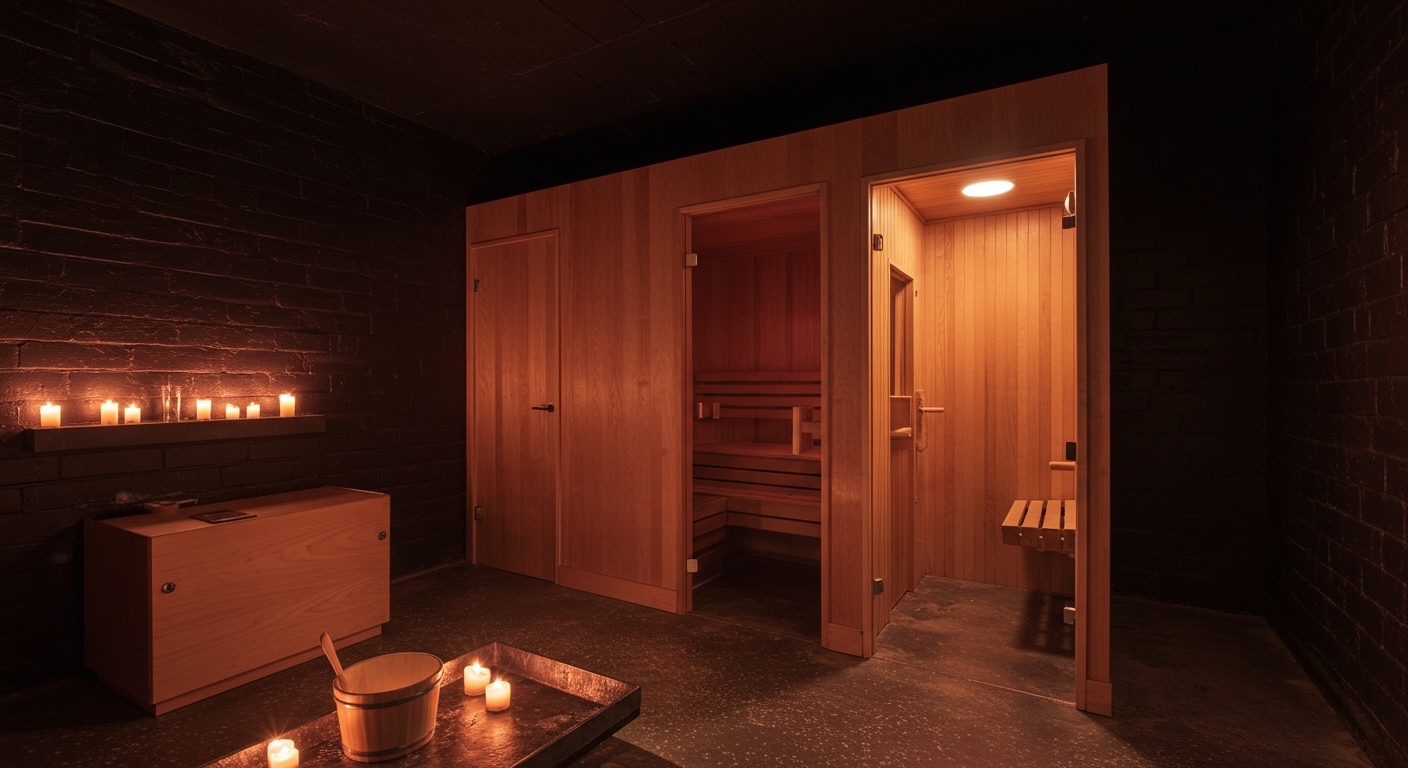
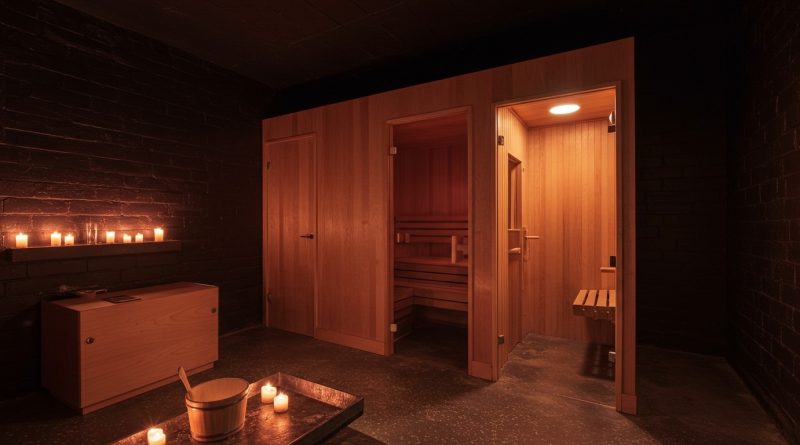
BoND’s design for Saint, the New York private sauna, uses the logic of a bento box to organize its compact, atmospheric spaces.
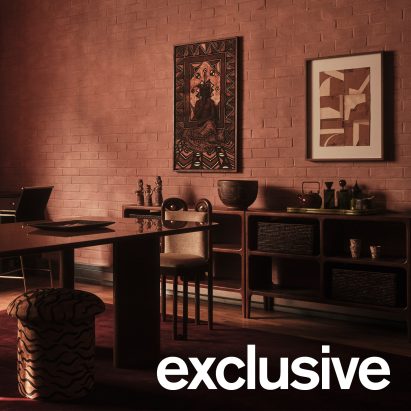
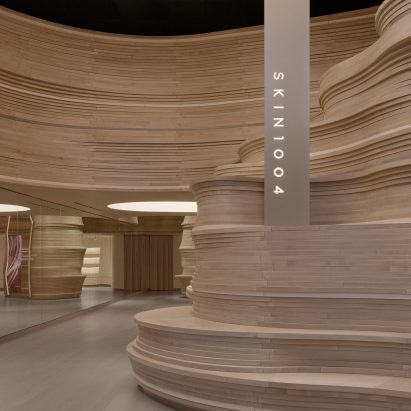
These recent projects collectively indicate a refined focus on spatial and material intensity within constrained environments. Whether carving a wooden gorge for SKIN1004 in a long, narrow store or creating an atmospheric office for Jasmine Fisher in 32 square metres, designers are moving beyond simple functionality to craft deeply sensory experiences. This involves meticulous attention to materiality, the deliberate manipulation of human flow, and the cultivation of specific tactile and atmospheric qualities, often turning spatial limitations into opportunities for profound character.
The prevailing industry wisdom often dictates that smaller footprints require visual expansion, typically achieved through light colours, reflective surfaces, and open-plan layouts. However, BoND’s “dark and enveloping” private sauna for Saint decisively contradicts this conventional approach. Instead of feigning vastness, the studio embraces the inherent intimacy of the space, deploying rich, tactile materials and careful spatial sequencing to create a deeply personal and luxurious experience. The “bento box” logic does not aim for perceived openness; it establishes a deliberate path and rhythm for human flow, guiding users through a series of distinct, contained spatial moments, each with its own material signature and atmospheric pressure. This creates a specific spatial tension, where the compact nature amplifies the sensory engagement rather than diminishing it.
This commitment to atmospheric density and tactile richness, rather than minimalist transparency, represents a critical evolution in luxury interior design. It shifts the value proposition from outward show to internal sensation and profound material engagement. Mainstream opinion might still prioritize expansive views or bright, airy conditions as indicators of premium space. Yet, projects like Saint, with their moody material palettes, or LMTLS Architecture’s wooden “gorge” for SKIN1004, illustrate how a deliberate spatial compression, coupled with profound material choices and sculpted forms, can deliver a more potent, memorable, and restorative experience. The tactile quality of surfaces, from wood to textured plasters, becomes central to the narrative. This trend suggests that by mid-2027, we will see an increased application of such enveloping, materially saturated design principles in other high-end urban programs, including small-scale hospitality ventures, private residential retreats, and bespoke retail environments.
This design direction faces resistance from the pervasive economic pressures of commercial development, which often prioritize flexible, undifferentiated floor plates and standardized finishes. Developers frequently opt for neutral, easily adaptable spaces, designed for broad market appeal and cost-effective fit-outs. This generic default prioritizes volume and rapid turnover over bespoke spatial narratives and specific material investment, thus inadvertently resisting the cultivation of the unique tactile and atmospheric qualities now sought by discerning clients.
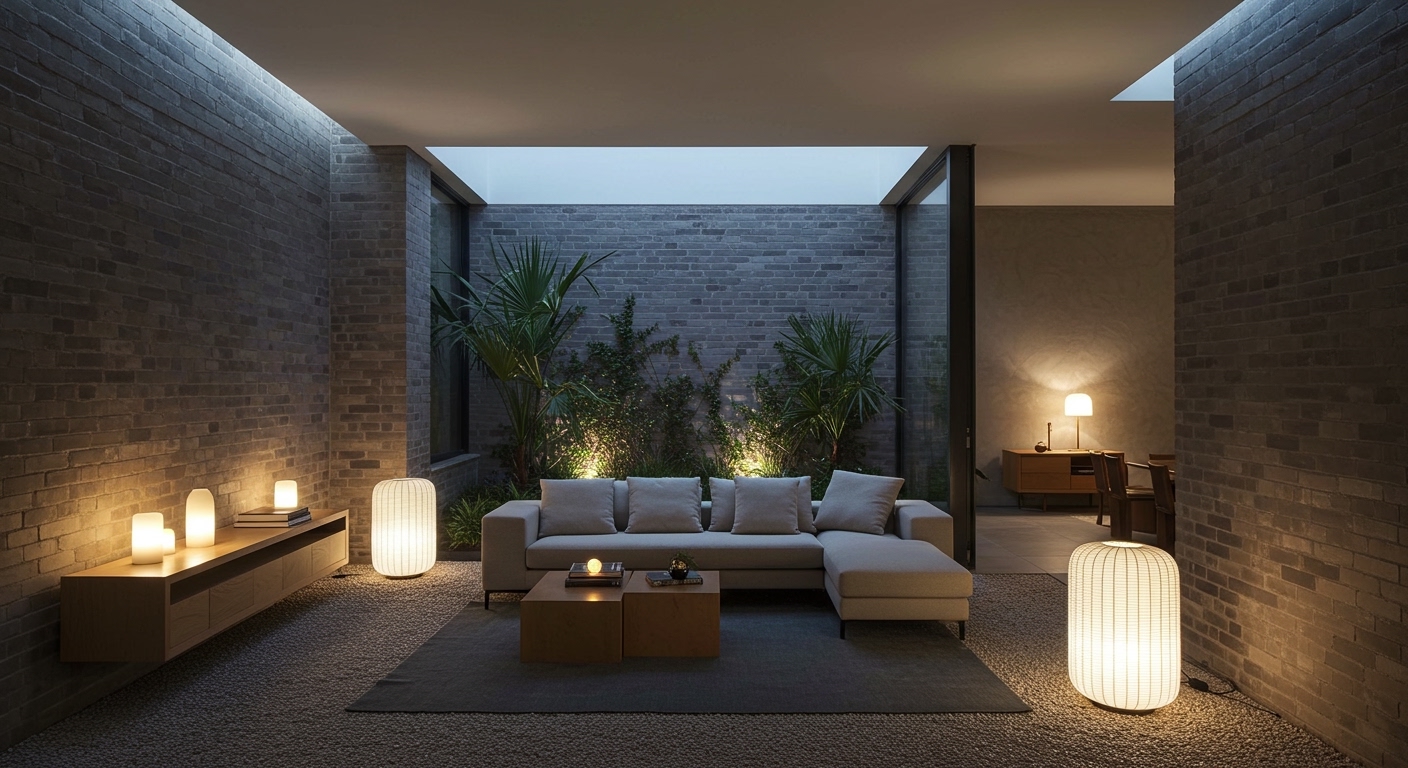
Interior professionals should re-evaluate the initial brief beyond explicit functional requirements, asking how a space needs to feel and what specific journey of human flow it should facilitate. Prioritize the desired sensory impact – be it a sense of calm, focus, drama, or intimacy – and then explore how specific material combinations, modulated light, and precise spatial tensions can achieve that. This means experimenting with unexpected palettes and deep textures in compact areas, or carving out internal “pocket gardens” for focused views, much like the houses featured in the lookbook, even if it appears to reduce conventionally defined usable square footage. The aim is to create distinct micro-environments, emphasizing a layered tactile experience and controlled spatial narrative over generic openness.
TL;DR
Specific material and spatial experiences are shaping how luxury and character manifest within constrained environments.
Curated References

About this editorial — This piece was developed using AI-assisted research and curation across multiple industry sources. All analysis, opinions, and predictions represent the editorial perspective of JHDD. Sources are linked in the references section above.