JHDD Architecture Report — 2026.07.13
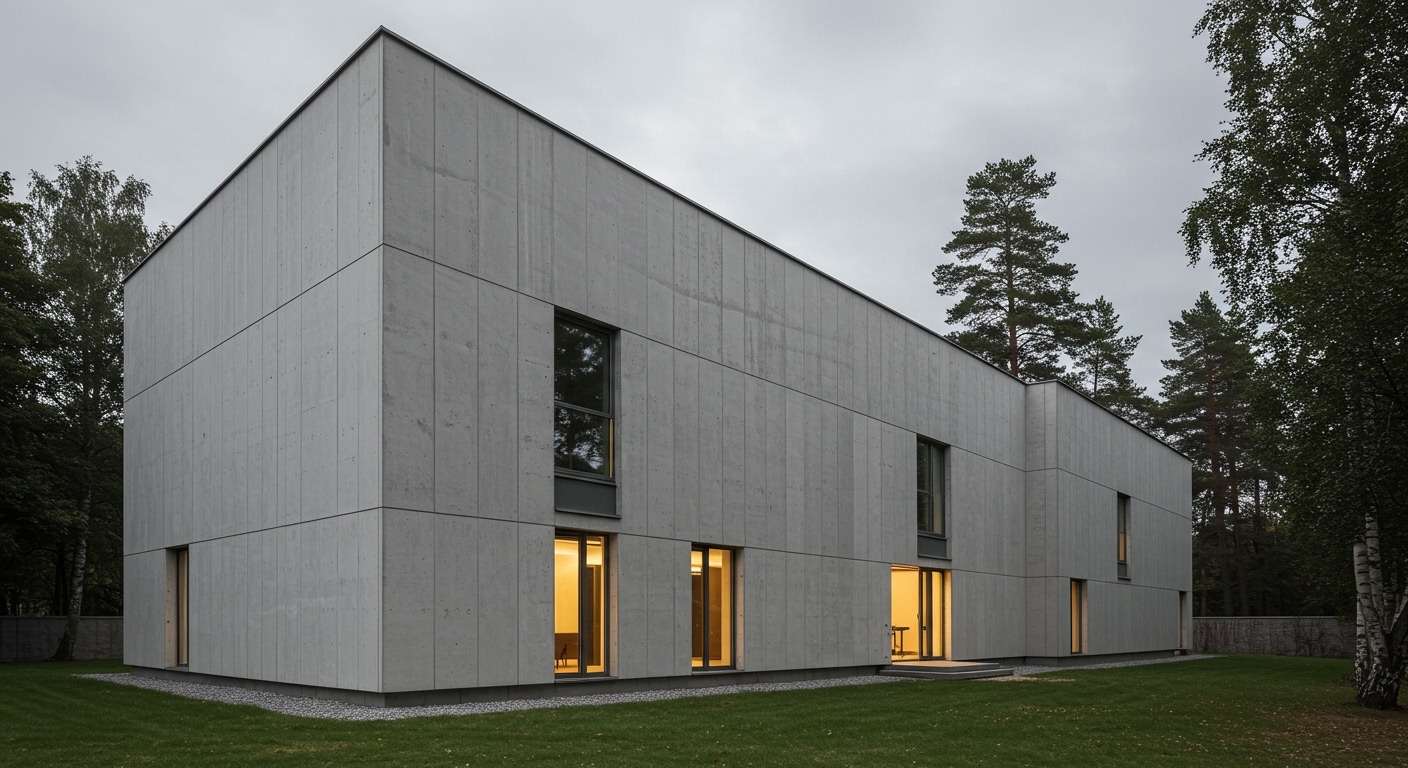
The Malmi Mortuary and Farewell Spaces in Helsinki, completed by Verstas Architects, employs a pared-back palette of stone, timber, and brick.
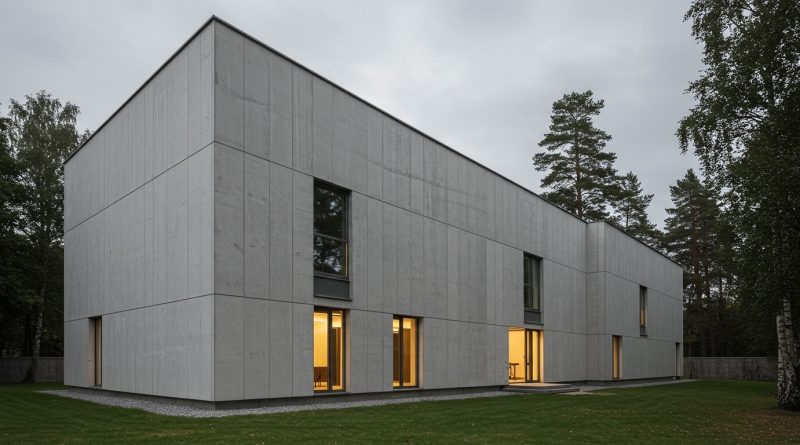
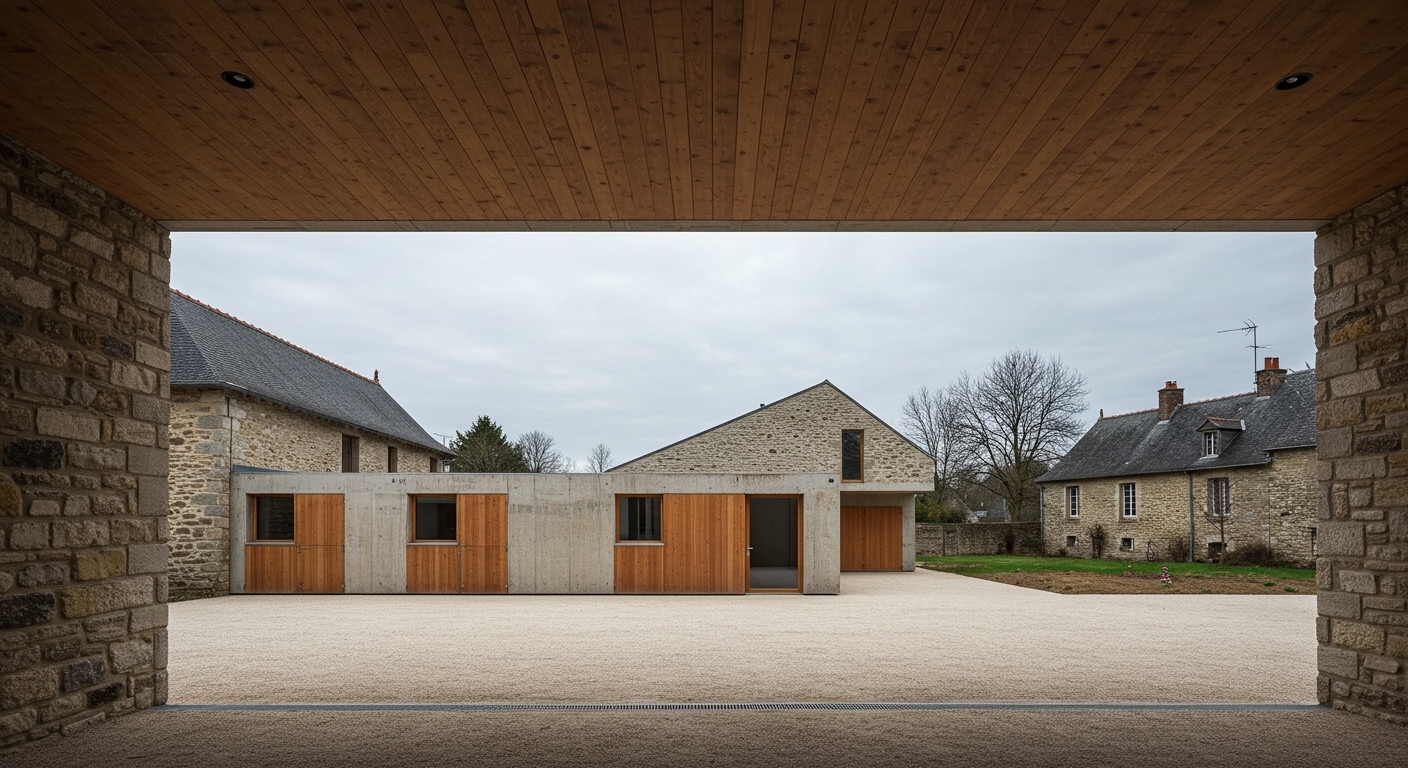
These recent projects reveal a shared architectural intent: a precise, context-driven approach to materials and urban integration, rather than abstract or generalized solutions. Carmen Maurice Architecture’s racing stable in Lassay-les-Châteaux demonstrates a direct response to a specific program and rural setting, while minuit architectes’ Montreuil Housing navigates a heterogeneous urban fabric. This nuanced engagement with immediate conditions and proven material performance represents a significant undercurrent distinct from broader, often superficial, trends.
Mainstream industry discourse often prioritizes the development and promotion of entirely new “eco-materials” or complex high-tech systems as the primary route to sustainable architecture. This perspective overlooks a more profound form of material innovation. The Malmi Mortuary, through its deliberate use of stone, timber, and brick, offers a counter-narrative. It shows that responsible material selection can derive from a deep understanding and considered reapplication of established, regionally available resources, rather than solely from novel invention. Responding to Helsinki’s ageing population, the project’s comforting material palette speaks to an architectural responsibility that transcends purely technical metrics, anchoring the building structurally and culturally within its specific locale.
The superficial embrace of certain materials, as seen in the uncritical praise of bamboo, illustrates this misdirection. While lauded for rapid growth and renewable properties, bamboo’s practical application, structural integrity, and long-term durability are complex, depending heavily on specific species, treatment, and construction methods. Its perceived simplicity often overshadows the necessity for precise understanding, as highlighted in JHDD’s recent piece on bamboo’s “politics.” True innovation requires moving beyond a material’s symbolic image to its verifiable performance and lifecycle. JHDD predicts that by mid-2027, material specifications will increasingly demand documented regional performance data over generalized claims of renewability, particularly within publicly funded construction, favoring materials like responsibly sourced local stone and timber applied with engineered precision.
This emphasis on material honesty and context-specific intelligence faces significant resistance from large-scale building material manufacturers and developers. They frequently champion new composites or “smart” surfaces, driven by marketing narratives that prioritize product novelty and broad market appeal over rigorous, context-specific lifecycle analysis or proven long-term performance. These entities often promote a superficial vision of progress that can bypass the deeper environmental and structural responsibilities.
A working architecture professional should immediately revise their material specification protocols. They must demand comprehensive data on a material’s full lifecycle, its precise regional provenance, and verifiable structural performance within local climatic conditions, moving beyond generic sustainability certifications. Engaging directly with local material suppliers and craftspeople offers valuable insight into the inherent capabilities and innovative uses of indigenous resources.
TL;DR
Architectural responsibility now demands precise material understanding and context-specific innovation over superficial claims.
Curated References

About this editorial — This piece was developed using AI-assisted research and curation across multiple industry sources. All analysis, opinions, and predictions represent the editorial perspective of JHDD. Sources are linked in the references section above.