JHDD Branding Report — 2026.07.12
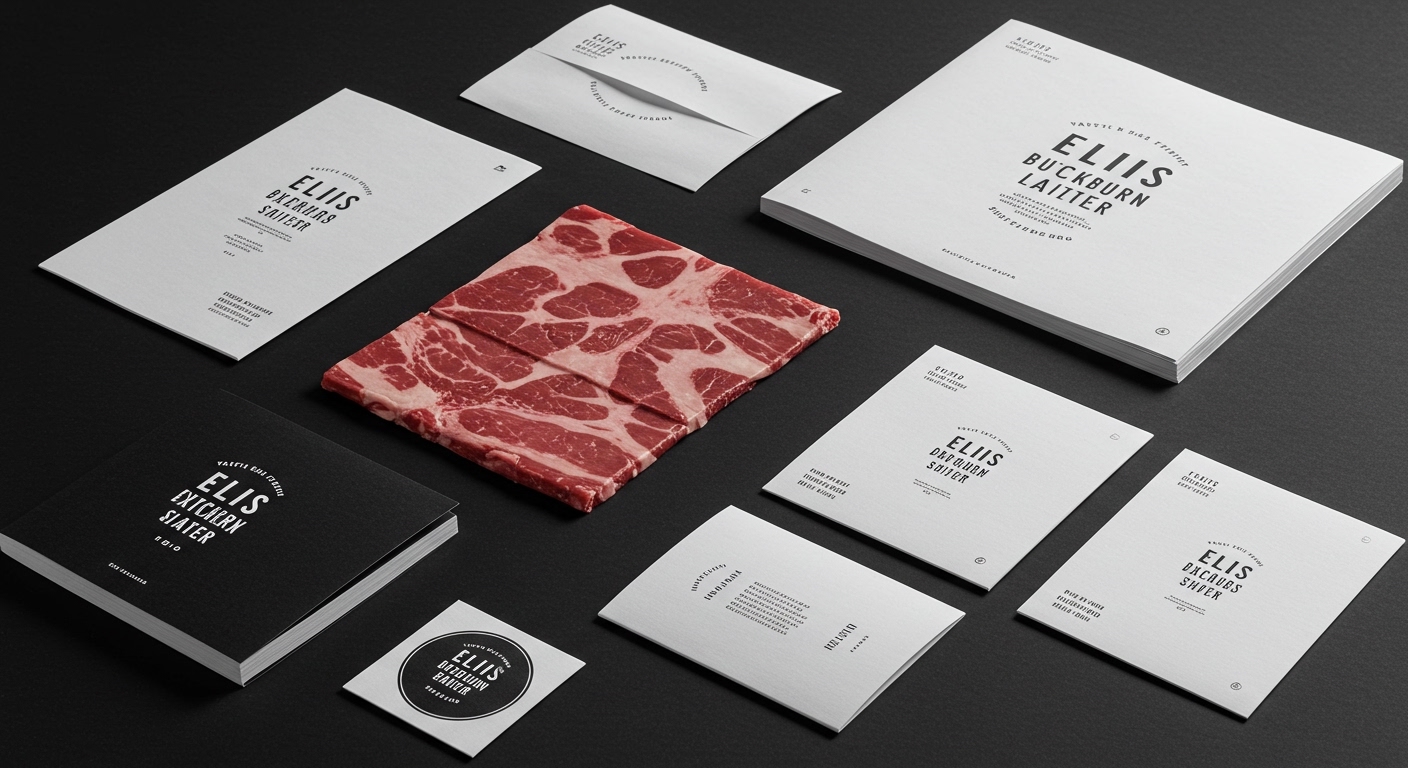
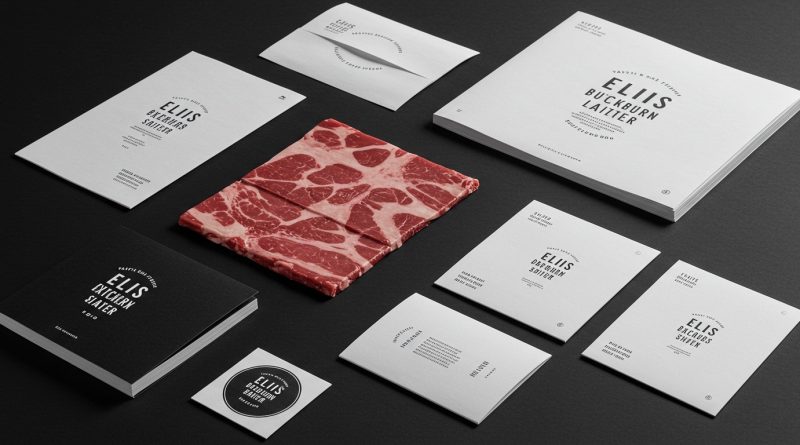
Studio Blackburn’s branding for Ellis Butchers is unflinchingly carcass-centric, yet manages to convey warmth.
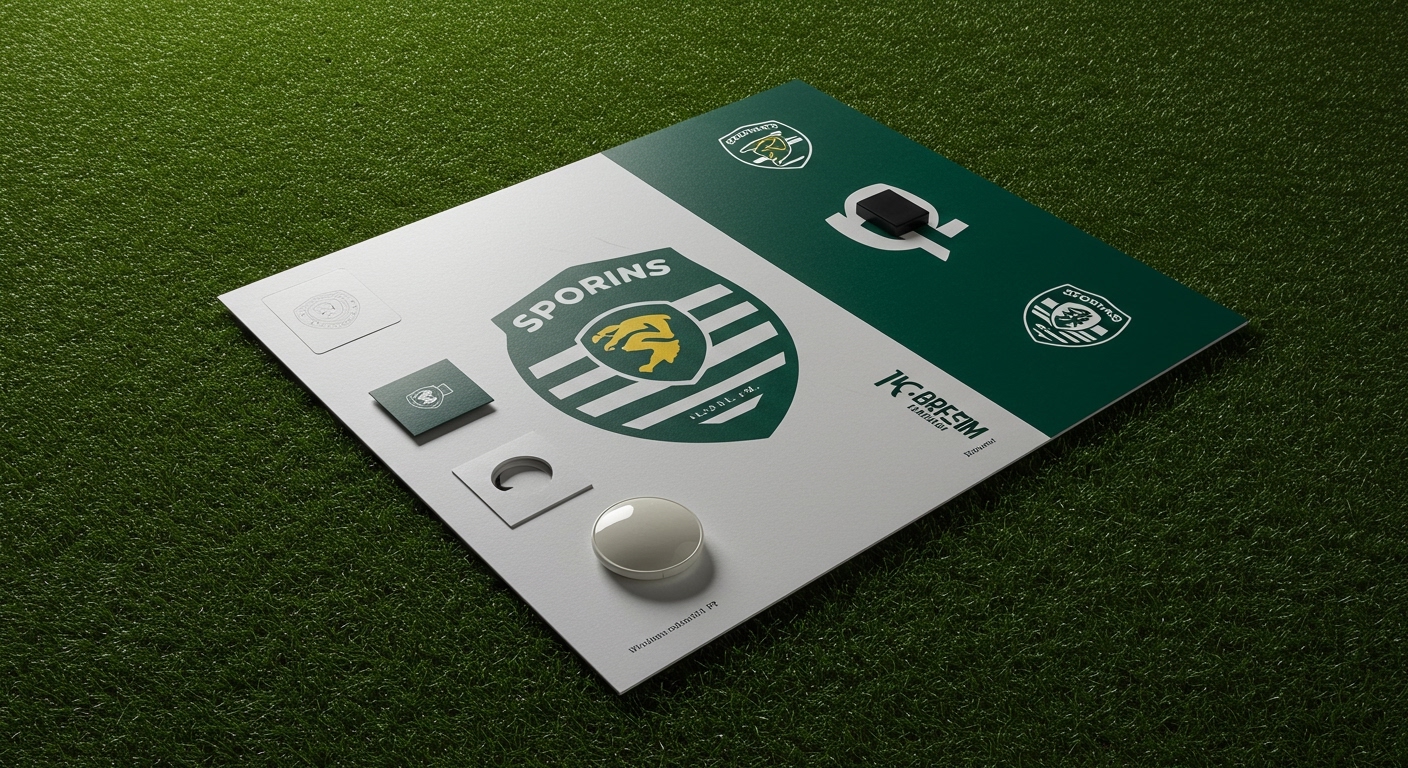
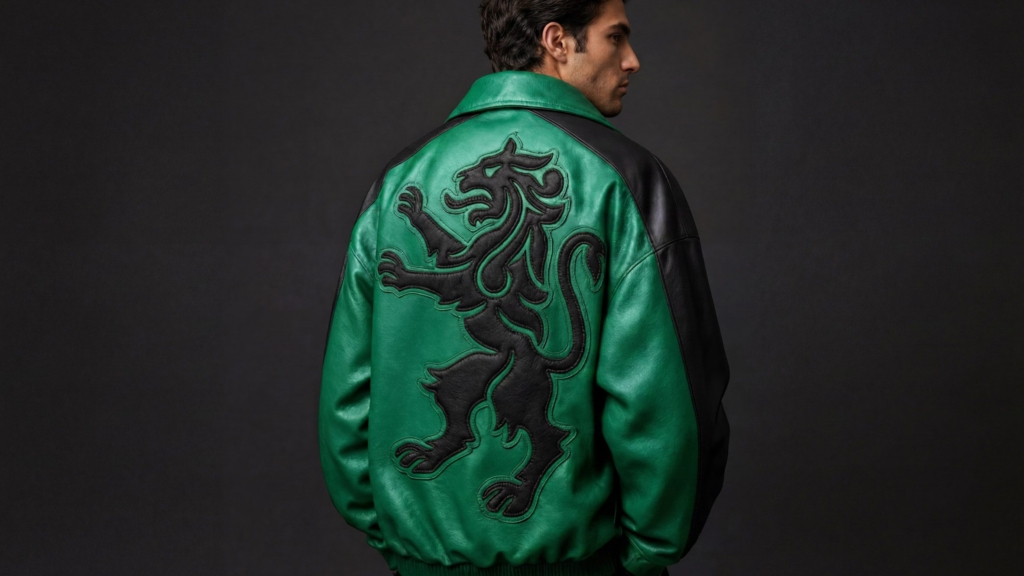
A distinct pattern is emerging where brands gain significant cultural traction and equity by fully embracing the specific, sometimes raw or even unconventional, truths of their offering. This involves an intentional decision to amplify what might conventionally be smoothed over, whether it is the heritage of a football club as seen in JKR’s work for Sporting CP, the physical interaction with a product packaging highlighted by Lisa Cain’s commentary on tube keys, or the honest depiction of a product’s origin. These approaches prioritize specificity over a generalized appeal, allowing for a deeper, more resonant connection with a defined audience.
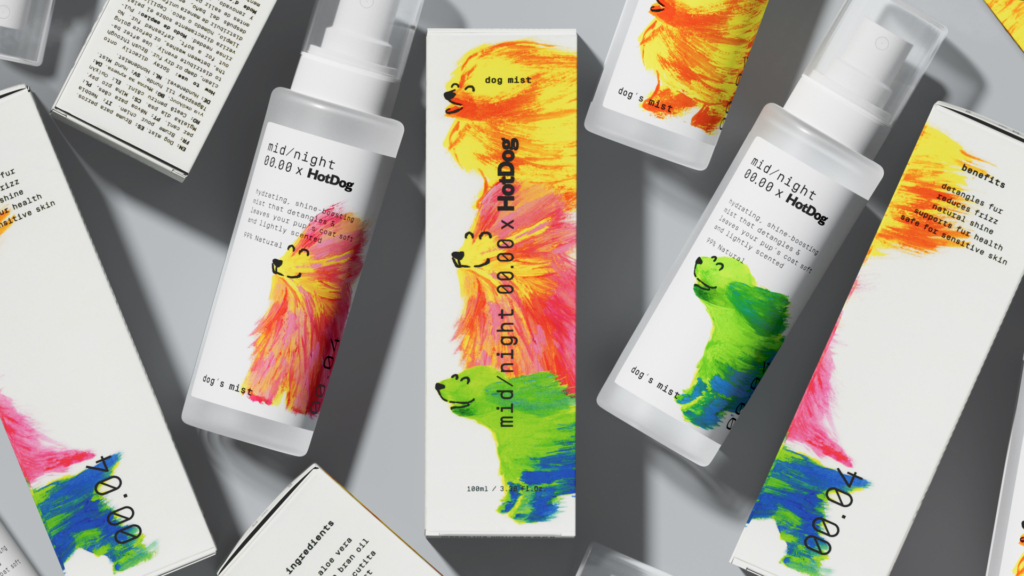
This move runs counter to the prevailing industry tendency to sanitize or abstract brand narratives in pursuit of universal palatability. Conventional wisdom often dictates that brands should broaden their appeal by avoiding any potentially polarizing imagery or messaging. However, the success of projects like SMLXL’s identity for Midnight Hotdog, featuring a logo of two dogs, one sniffing the other’s bum, demonstrates that leaning into the peculiar or even the slightly audacious can foster unique brand affection. Such an approach solidifies market positioning by attracting those who appreciate authenticity and a departure from the bland.
Consider Studio Blackburn’s work for Ellis Butchers as a prime example. Mainstream branding advice for a butcher often suggests emphasizing the culinary outcome or the bucolic origin of the animals, to distance the consumer from the reality of the raw product. Studio Blackburn instead centered the visual identity on the “whole-carcass butcher business,” directly incorporating the visceral aspect. This wasn’t a compromise; it was an embrace that resulted in a powerful, memorable identity. This strategy builds robust brand equity not by softening edges, but by deepening the brand’s connection to its inherent craft and reality. It contradicts the notion that broader appeal requires dilution; instead, it proves that deep, specific appeal creates stronger brand loyalty. By mid-2028, more brands will differentiate through this deliberate specificity, leading to a measurable decline in effectiveness for generic, aspirational visual systems across competitive sectors.
The primary resistance to this specificity comes from corporate risk aversion. Large brand consultancies and internal marketing departments often prioritize strategies that minimize potential backlash or misunderstanding, leading to bland, inoffensive visual identities. Their focus on mass market acceptance and quantifiable, unchallenging metrics frequently stifles the very distinctiveness that could generate profound brand equity. They will continue to push for generalized aesthetics, fearing that leaning into niche truths could alienate a broader, imagined demographic.
A branding professional should, this week, challenge project briefs that aim for broad, generic appeal. Instead, push stakeholders to identify the single most distinctive, perhaps even initially uncomfortable or idiosyncratic, truth about their product or service. Develop the visual identity and messaging around this core truth, aiming for resonant specificity rather than sanitized universality.
TL;DR
Brands achieve deep equity by leaning into their most authentic, often unvarnished, specific truths rather than seeking broad, generic appeal.
Curated References



About this editorial — This piece was developed using AI-assisted research and curation across multiple industry sources. All analysis, opinions, and predictions represent the editorial perspective of JHDD. Sources are linked in the references section above.