JHDD Architecture Report — 2026.07.10
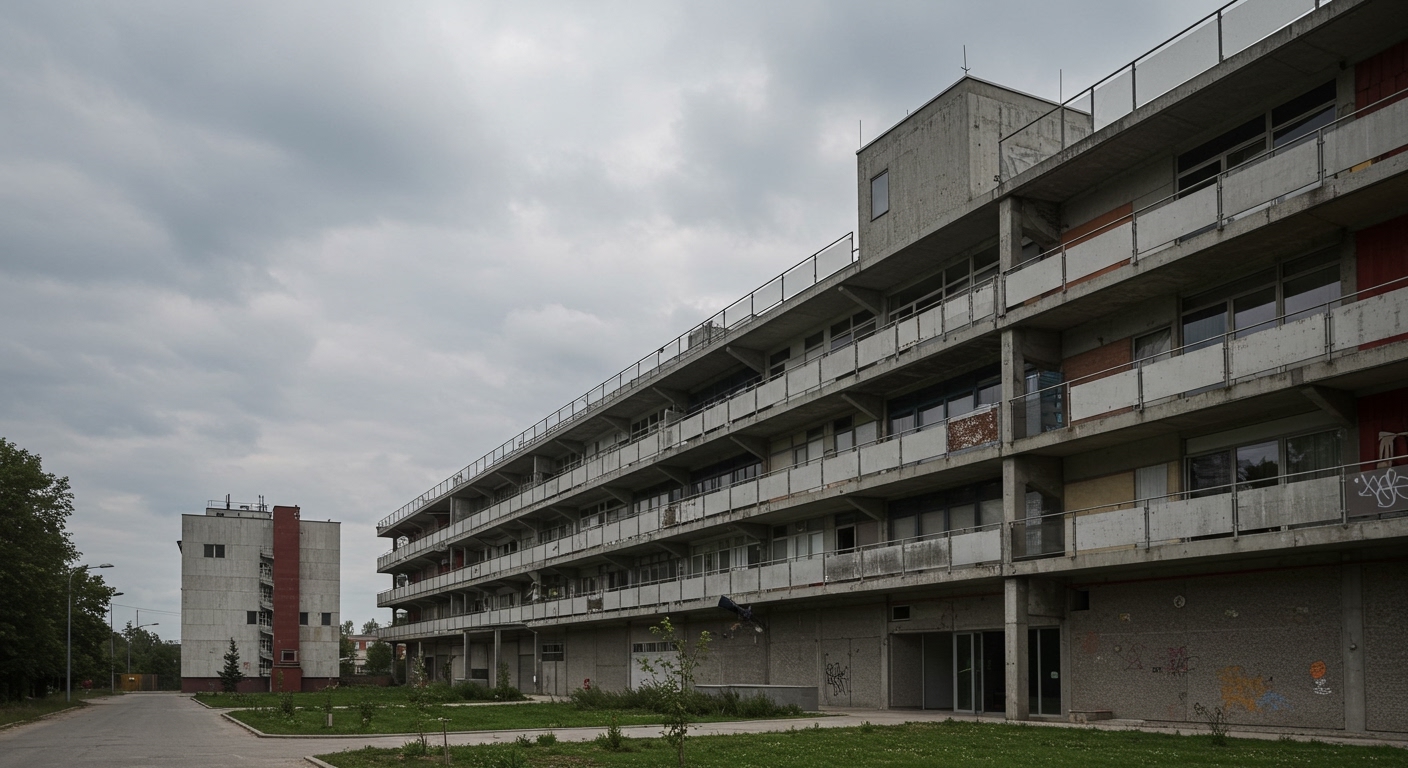
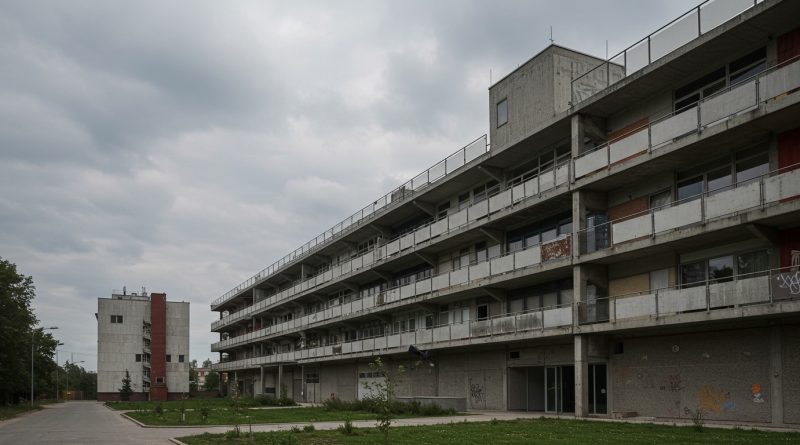
The renovation of KOSMALT, originally the largest workers’ dormitory of the Košice steelworks VSŽ, built in the 1960s, represents a critical pivot in architectural practice.
The recent announcements, from the RIBA National Awards 2026 heavily featuring London projects to the detailed material discussions surrounding bamboo and Formafantasma’s new advisory role for Serpentine Galleries, reveal a tension between symbolic gestures of sustainability and the deeply embedded, often overlooked, potential of existing urban structures. The desire for a clear “ecological language” in new builds, such as Arches’ Sanctum retreat, sometimes overshadows the complex but vital work of giving new life to older, larger-scale typologies.
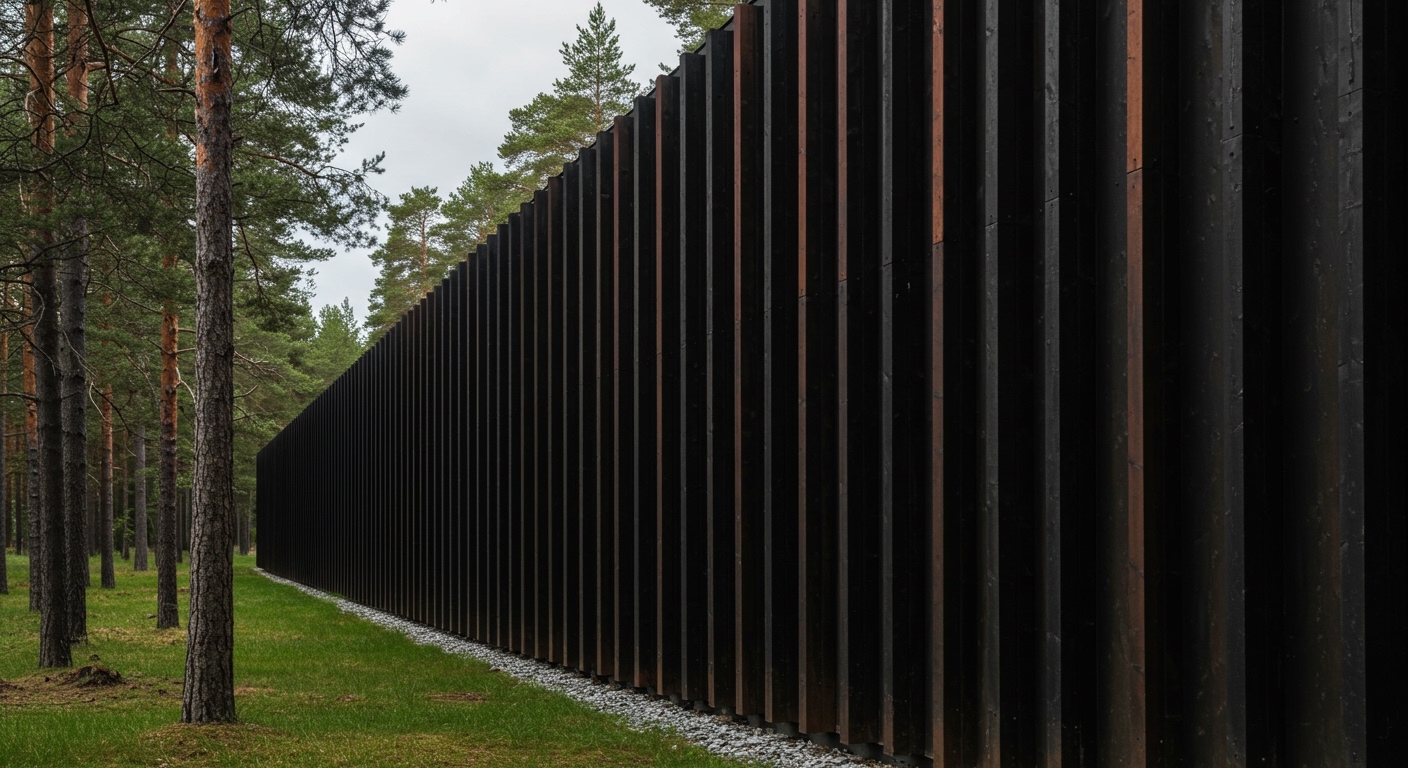
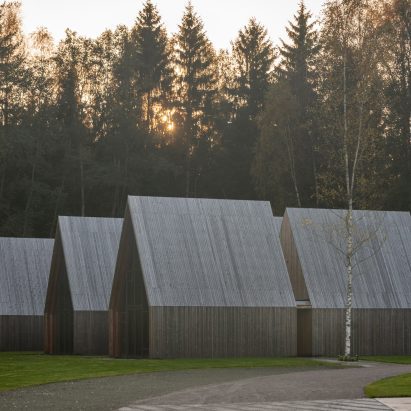
Atrium Architekti’s renovation of KOSMALT stands as a counterpoint to the prevailing celebratory narrative around novel “green” materials or exclusive nature retreats. While Arches’ Sanctum retreat showcases black timber and copper cladding in a Lithuanian woodland, the deeper structural and urban responsibility often lies within the robust, if architecturally unfashionable, fabric of the mid-20th century city. Mainstream industry opinion frequently champions new construction or natural materials like bamboo as primary drivers of sustainability, valuing aesthetic and symbolic alignment over the often-messy realities of adaptive reuse. However, a genuinely responsible practice understands that the embodied energy and societal impact of a structure like KOSMALT, with its distinctive silhouette designed by Ladislav Greč and Róbert Kandrík, demand careful retention and transformation, not demolition or superficial greenwashing. This approach goes beyond mere material selection; it is about extending the life cycle of significant urban infrastructure.
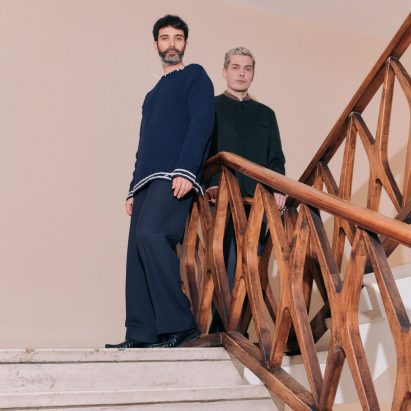
The strategic adaptive reuse of such large-scale post-war buildings offers a more profound and scalable sustainability solution than the continuous pursuit of new, albeit “eco-conscious,” builds. By mid-2027, the industry will begin to recognize that the greatest innovation in materials lies not in discovering entirely new ones, but in intelligently understanding and redeploying the existing material capital embedded within our urban centers, particularly structures with overlooked historical and social significance. Formafantasma’s appointment, with Andrea Trimarchi and Simone Farresin, as ecology advisor to Serpentine Galleries signals a nascent shift towards evaluating deeper environmental strategies beyond superficial claims, a shift that must extend to the vast existing building stock.
The primary opposing force to intelligent adaptive reuse is the short-sighted economics of development, where demolition and new build often appear financially simpler, despite hidden environmental costs. This force is often amplified by outdated urban planning regulations, speculative land values, and a cultural bias towards the “new” and “clean” over the “repaired” and “repurposed.” The RIBA National Awards 2026, with a majority of winners located in London, inadvertently highlights a concentration of resources and prestige in areas where land values often push towards demolition and new, high-density development rather than complex, large-scale existing structure transformation outside prime urban cores.
Architecture professionals must actively seek commissions that focus on the deep adaptation and strategic reuse of existing large-scale urban typologies from less celebrated eras, particularly post-war residential and industrial structures. This involves moving beyond surface-level aesthetic upgrades and engaging with the structural philosophy and original material integrity of these buildings. A detailed analysis, akin to Formafantasma’s task at Serpentine Galleries, should be applied to understand the actual environmental impact and potential of these structures before design begins.
TL;DR
True architectural sustainability lies in the intelligent, deep adaptation of existing urban structures, not solely in new builds or symbolic material choices.
Curated References
About this editorial — This piece was developed using AI-assisted research and curation across multiple industry sources. All analysis, opinions, and predictions represent the editorial perspective of JHDD. Sources are linked in the references section above.