
JHDD Web Design Report — 2026.07.08

CSS Gap Decorations demonstrate a subtle yet profound shift in how web elements are visually defined. These recent updates and projects, from the introduction of properties like `border-shape` to the intricate development of a digital Stefanos Tsitsipas, collectively point towards a web increasingly defined by intrinsic, expressive styling and sophisticated spatial relationships. This direction moves beyond the prevailing rigidity of the box model, emphasizing unique visual identity through granular control over native browser capabilities and carefully optimized 3D experiences. It demands a heightened degree of front-end craft, where mastery of rendering performance and nuanced layout becomes paramount for delivering truly distinctive digital products.
Consider the meticulous workflow behind Stefanos Tsitsipas’ digital character. The process involved advanced photogrammetry for initial capture, followed by complex rigging and animation to bring a lifelike presence to the web. Crucially, the final stage centered on WebGL optimization, ensuring this high-fidelity visual storytelling translated into a smooth, performant experience directly within the browser. This project is not merely an exhibition of a 3D model; it represents a commitment to delivering a rich, interactive representation that respects the user’s device capabilities and bandwidth. Such endeavors highlight the critical balance between ambitious design and the practicalities of web performance.
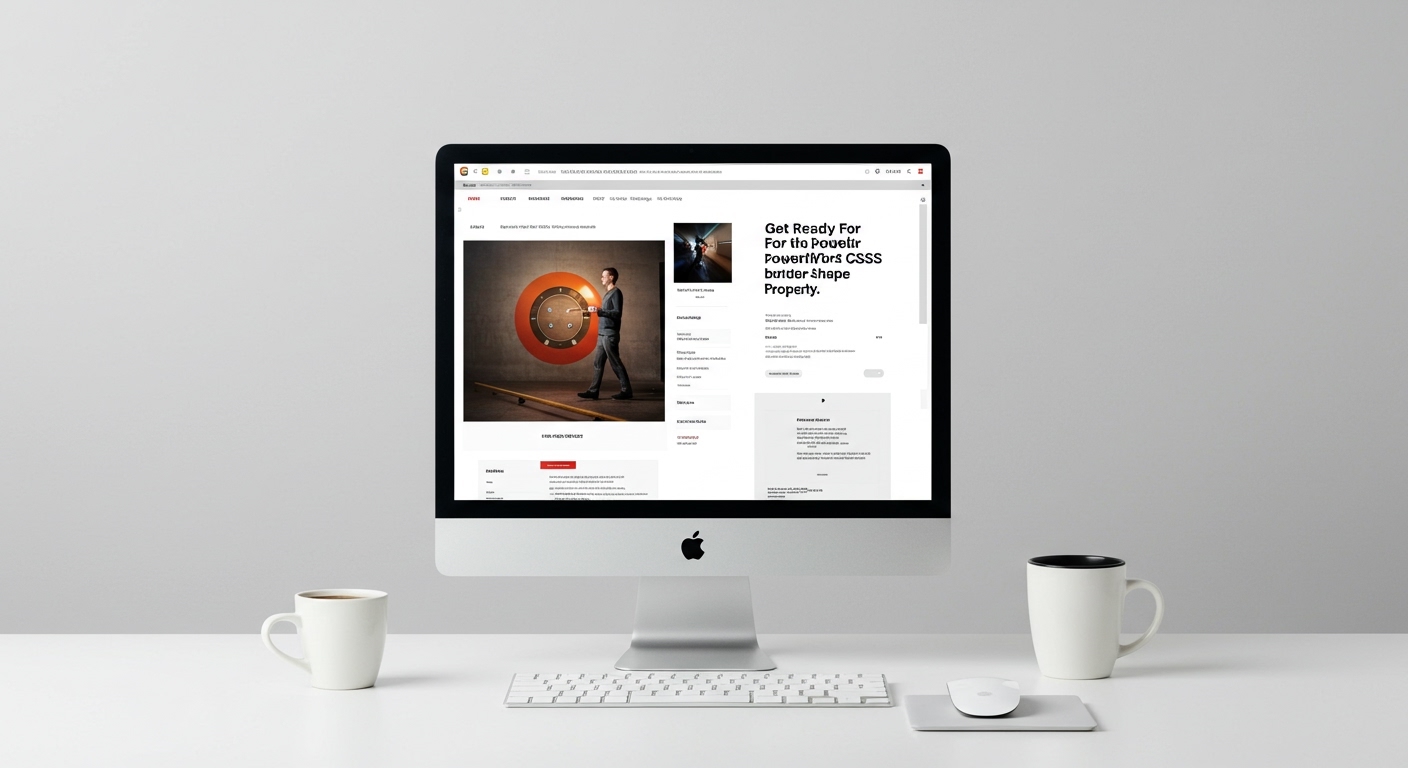
Many in the industry, often driven by perceived performance risks or a desire for rapid deployment, advocate for a homogenization of web aesthetics. This approach frequently defaults to utility-first CSS frameworks or predictable grid systems, implicitly categorizing complex layout or custom 3D as an indulgence that jeopardizes efficiency. However, this mainstream opinion overlooks the tangible, long-term value of distinctiveness. Crafting unique visual identities with properties like `border-shape` or meticulously optimized WebGL renders provides a critical competitive edge in an increasingly crowded digital landscape. A website that visually stands apart and offers a memorable, performant interaction often communicates professionalism and attention to detail more effectively than one adhering to generic design patterns. The ongoing development of features such as CSS Quake, CSS Gap Decorations, and new shape functions empowers designers to achieve this distinctiveness with greater efficiency directly within CSS, rather than relying solely on raster images or complex SVG. This intrinsic approach inherently lessens the performance burden often attributed to ‘custom’ designs, making them a viable and performant option for brand differentiation. By mid-2027, the wider adoption of these advanced CSS layout and shaping properties will undeniably challenge the default reliance on purely rectangular component libraries, compelling a re-evaluation of ‘performance-first’ methodologies that inadvertently prioritize uniformity over unique expression.
The primary opposing force to this movement towards intrinsic craft is the persistent industry pressure for generic efficiency and accelerated speed-to-market. Frameworks that prioritize uniform component libraries and the widespread adoption of design systems favoring rapid assembly over bespoke solutions often resist the deep exploration of highly customized layout, web typography, and dynamic motion. Developers and product owners, operating under stringent deadlines and resource constraints, may habitually lean towards expediency, perceiving the mastery and application of advanced CSS or custom WebGL optimization as an unnecessary time sink. This perspective often neglects to frame such specialized craft as a crucial investment in brand identity, user experience, and long-term differentiation, instead viewing it as a short-term cost without appreciating the sustained value it creates.
Web design professionals should dedicate focused time this week to experiment directly with the `border-shape` property or CSS Gap Decorations. Create a small, isolated demo component that intentionally leverages these intrinsic browser capabilities to break free from the traditional rectangular box model, perhaps for a hero section element or a unique card design. Subsequently, thoroughly analyze its rendering performance using browser developer tools. This direct, hands-on engagement will provide invaluable practical insight into the capabilities of modern CSS for sophisticated layout and performance optimization, informing future design system choices and promoting a more crafted approach to web interfaces without immediate reliance on external libraries or image assets.
TL;DR
The modern web is enabling distinct, performant visual identities through advanced CSS and optimized 3D, challenging generic design approaches.
Curated References
About this editorial — This piece was developed using AI-assisted research and curation across multiple industry sources. All analysis, opinions, and predictions represent the editorial perspective of JHDD. Sources are linked in the references section above.