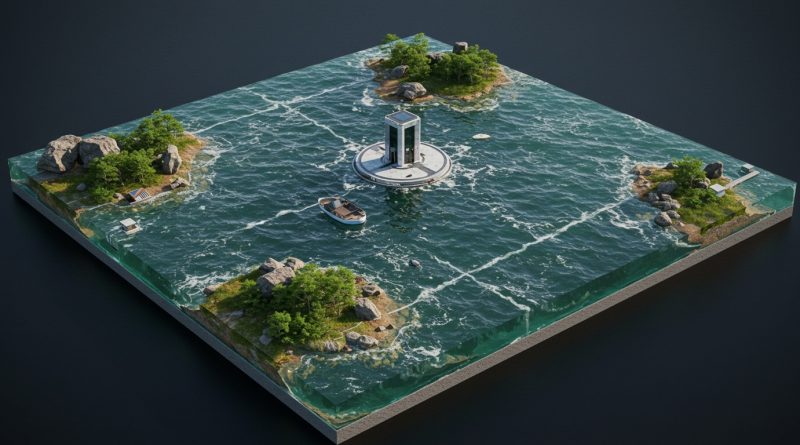
JHDD 3D Modeling Report — 2026.07.08
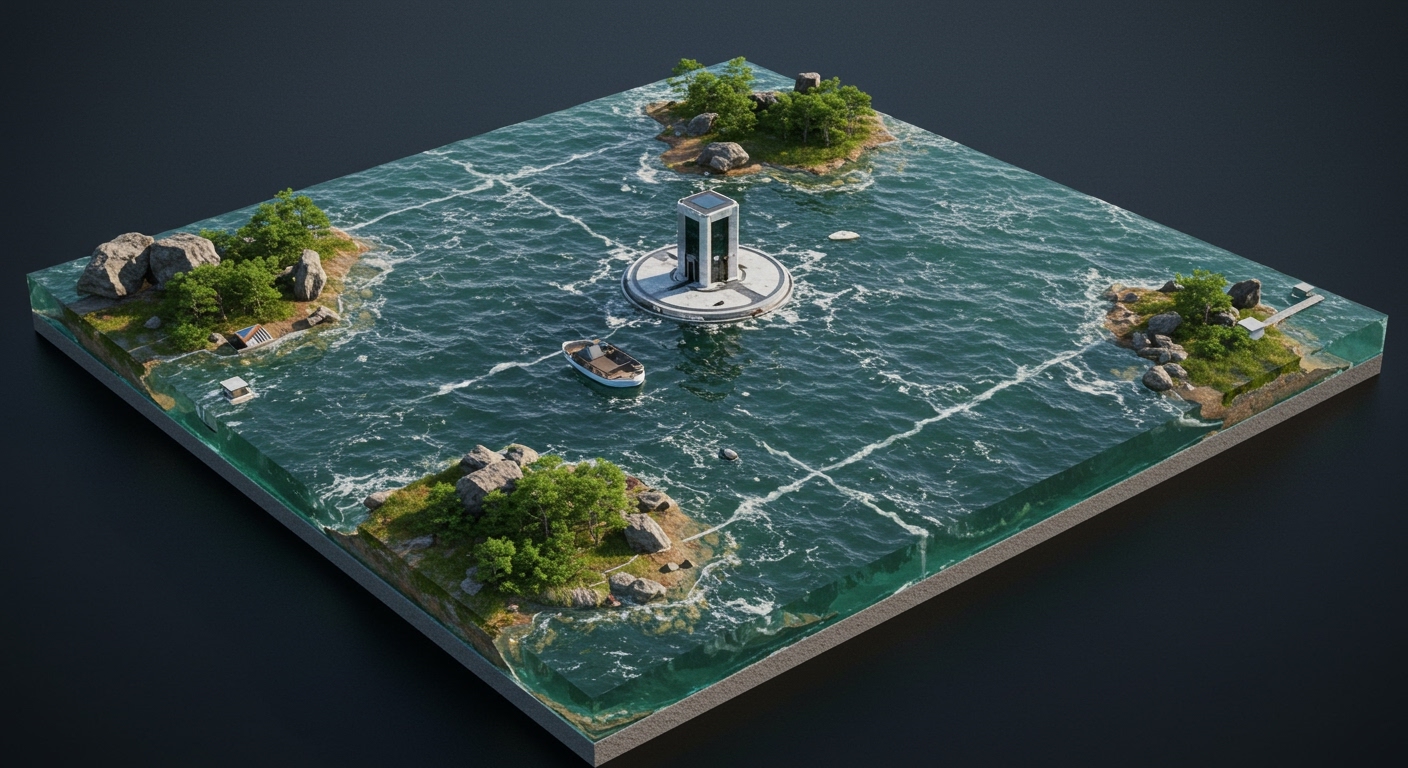
William Faucher’s EasyWaterscape offers real-time water simulation within Unreal Engine, a specific capability that highlights a converging trend in digital fabrication.
The confluence of these developments points to a paradigm shift from static asset generation to dynamic, procedurally driven environment orchestration. Tools like EasyWaterscape and Ian Hubert’s physics-based Blender animations illustrate a move towards systems that generate and animate complex behaviors in real-time, rather than simply defining forms. This evolution extends beyond visual fidelity, impacting how virtual spaces are constructed and experienced, making realism less about pixel count and more about believable system interactions.
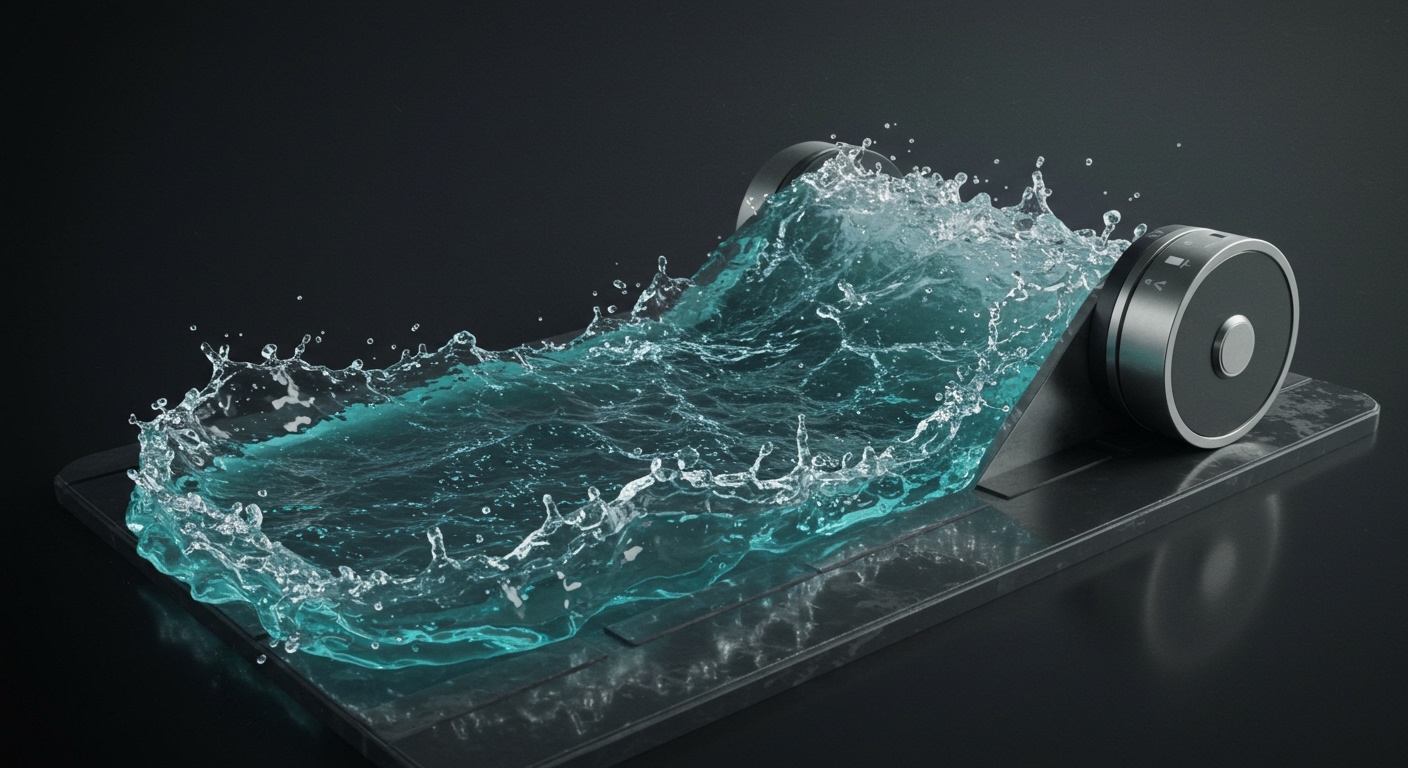
William Faucher’s EasyWaterscape, which provides real-time water simulation for Unreal Engine, epitomizes this evolution. The tool’s focus on dynamic behavior rather than just static geometry challenges the conventional wisdom that hyper-realism primarily requires painstakingly hand-crafted assets. Mainstream industry discourse often prioritizes the brute force application of advanced rendering techniques or AI-driven content generation for photorealism. However, the true frontier lies in simulating the physics of environments with accessible, controllable procedural systems. This allows for iterating on complex phenomena, like light refraction through moving water or the ripple effects of simulated wind, with unprecedented fluidity.
This emphasis on real-time procedural physics in tools like EasyWaterscape suggests that future virtual spaces will derive their perceived reality less from static asset libraries and more from dynamic systems that react convincingly to virtual stimuli. A common industry misconception is that AI will fully automate asset creation, eliminating the need for specialized procedural knowledge. On the contrary, advanced procedural tools require a deeper understanding of environmental systems and parameters. By mid-2027, the industry will witness a clear demand for “systems artists” proficient in real-time procedural physics and advanced material behaviors, exceeding the current demand for generalist 3D modelers focusing on static meshes.
Resistance to this shift primarily stems from the ingrained inertia of traditional production pipelines and the skills gap in studios accustomed to pre-rendered assets. The V/H/S film, leaning into a found-footage aesthetic, shows that some projects still prioritize stylistic choices over cutting-edge real-time physics simulation for narrative purposes, relying on established visual languages rather than pushing the boundaries of dynamic realism. This resistance is also fueled by the computational demands and the specialized expertise required to integrate and optimize complex real-time procedural systems effectively across diverse hardware platforms.
A 3D modeling professional should dedicate time this week to integrating a real-time physics simulation node or environmental procedural tool into a current project, focusing specifically on how it allows for iterative changes to environmental dynamics rather than just static forms. Experiment with exposing parameters for interactive manipulation within the engine.
TL;DR
Procedural generation and real-time simulation are driving a shift from static asset creation to dynamic environment control.
Curated References
About this editorial — This piece was developed using AI-assisted research and curation across multiple industry sources. All analysis, opinions, and predictions represent the editorial perspective of JHDD. Sources are linked in the references section above.