
JHDD UI UX Report — 2026.07.06

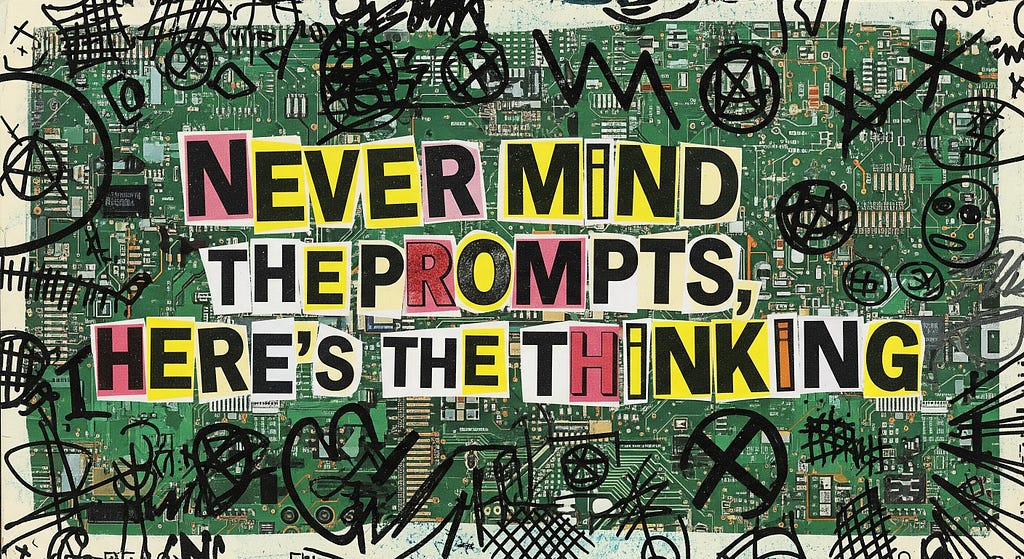
The studio described in “Never mind the prompts, here’s the thinking” found that rebuilding its design process around AI across four real products did not make its sprints faster.
This finding, alongside calls from UX Collective to focus on triggered animacy rather than designed faces, and Vitaly’s argument for seamless integrations over new tools, points to a common shift. The focus in modern product design is moving away from surface-level performance metrics and isolated features. Instead, the emphasis is now on deeper integration, nuanced user perception, and embedding intelligence into existing mental models and workflows. This trend prioritizes systemic value and rich understanding over the superficial promise of speed or novelty.

The mainstream industry narrative often frames AI as a simple accelerator, promising “ten times faster” delivery or prototypes that assemble themselves. This perspective, however, misses a crucial point. As the studio’s experience shows, AI integration, when done thoughtfully, cultivates a more profound design process, even if it does not inherently speed up sprint cycles. This contradicts the conventional wisdom that AI’s primary benefit for design is efficiency. The real gain is in the quality of thinking and the ability to explore complex problem spaces more thoroughly, allowing for a deeper understanding of user needs and context. This deeper engagement, rather than mere quantitative acceleration, represents AI’s true value in design, challenging the notion that speed should be the ultimate goal. The human element, “holding the scissors” for critical refinement and ethical consideration, remains irreplaceable.
The “debt” incurred by superficial AI adoption will become increasingly apparent within design systems and user experience. This debt manifests as brittle interaction patterns, unexamined ethical implications within algorithmic decisions, and a proliferation of disconnected “AI features” that confuse users instead of delivering genuine value. For instance, without a clear strategy for “Crafting AI Explanations for Every Role in Your Enterprise,” internal users struggle with trust and adoption, leading to friction. By mid-2027, product teams that prioritize deep integration, robust design system components for AI interactions, and thoughtful explanation of AI outputs will demonstrate measurably higher user retention and more significant business outcomes. These teams will outpace competitors who continue to chase superficial speed boosts and standalone AI tools, as their products will offer superior usability and accessibility through informed, integrated intelligence.
The primary resistance to this shift comes from technology vendors and venture-backed startups relentlessly marketing AI as a simple productivity multiplier. Their aggressive “faster, cheaper, easier” messaging often overshadows the nuanced realities of integrating complex intelligence. Additionally, internal organizational pressures to report activity metrics rather than business outcomes, as highlighted in “Stop Reporting UX Activity and Report Business Outcomes,” reinforces this superficial approach, deterring teams from investing in the deeper, slower, but ultimately more impactful work of true integration.
A working UI UX professional should this week identify one existing, high-traffic user journey within their product and map where AI-powered insights or suggestions could be integrated directly into an established interaction pattern, rather than creating a new “AI feature” or tool. This involves collaborating closely with engineering to understand data availability and with product management to define specific, measurable business outcomes for this integration, moving beyond activity reports.
TL;DR
AI’s value in design comes from deep integration and enhanced thinking, not from superficial speed.
Curated References

About this editorial — This piece was developed using AI-assisted research and curation across multiple industry sources. All analysis, opinions, and predictions represent the editorial perspective of JHDD. Sources are linked in the references section above.