JHDD Branding Report — 2026.07.05
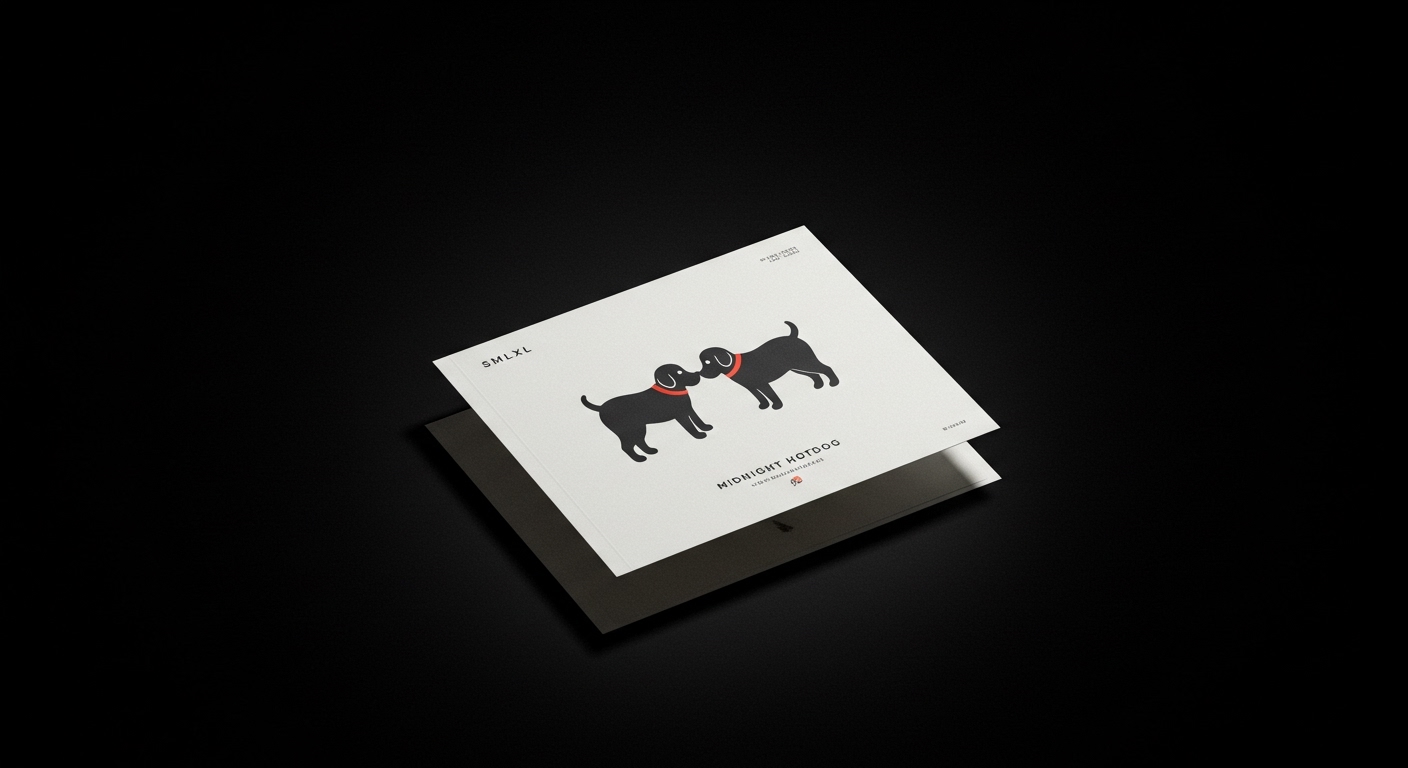
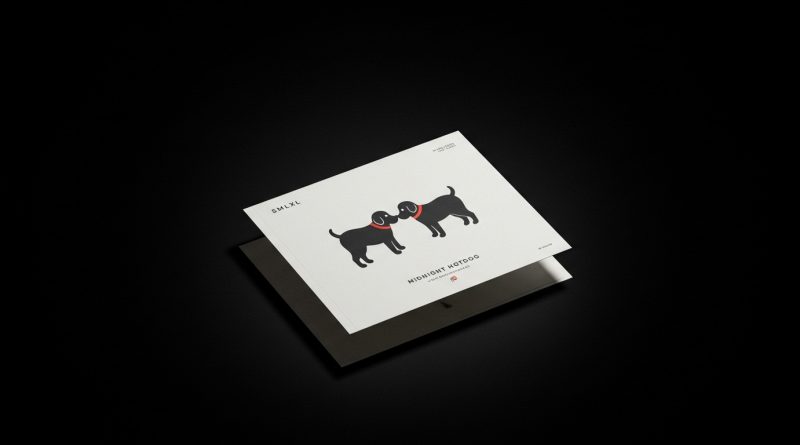
The logo for Midnight Hotdog, designed by SMLXL, depicts two dogs, one sniffing the other’s rear. This specific visual detail, alongside an ingeniously earwormish jingle, points to a subtle yet significant shift in how brands are building and leveraging cultural equity.
Across recent brand launches and rebrands, a pattern emerges where the drive for explicit, semantic clarity clashes with the effectiveness of brand elements that operate on a more associative, visceral, or even playfully absurd level. This tension manifests in distinct approaches to developing and sustaining brand resonance.
Verve’s work for Lebara aimed to clarify what the brand is, an impulse often praised in industry circles as “making sense.” However, this perspective overlooks a powerful, often underestimated form of brand equity. Brands like Lebara, familiar through incidental contact in off-licences, accrue a unique kind of passive brand equity precisely because they exist as a sonic or visual backdrop without demanding cognitive load. This unspecific recognition can be a more resilient foundation than an explicitly articulated, but potentially less sticky, conceptual meaning. The conventional wisdom argues for utility and clear messaging above all. By mid-2028, a new wave of brands will intentionally cultivate a degree of semantic ambiguity, leaning into existing cultural recognition without explicit definition.
This implicit approach extends beyond sonic familiarity to visual identity and product experience. Lisa Cain’s commentary on tube keys for skincare products champions practical, functional clarity. This contrasts with Herman-Scheer’s branding for Stash herbal tea, which embraces “wilder ambitions” beyond simple utility, or How & How’s smart, bright collage-based approach for Bristol Dockyards, which suggests multifaceted identity rather than a singular definition. Midnight Hotdog’s ‘dog fur mist’ identity by SMLXL demonstrates an efficacy that sidesteps explicit rational benefits. Its success relies on memorability and playful absurdity, building a cultural footprint independent of a logical sales proposition. This challenges the widespread belief that brand value must derive directly from product function or readily understandable messaging. Within the next three years, successful visual identity systems will increasingly prioritize associative recall and emotional resonance over explicit informational content.
The primary opposing force to this nuanced approach comes from marketing departments and C-suite executives who prioritize immediate, measurable conversion metrics and direct sales funnels. Their focus on explicit value propositions and clearly defined calls to action often overshadows the more patient, implicit accumulation of cultural equity, favoring short-term transactional clarity over long-term brand embedding.
Branding professionals should actively audit existing brand assets for their implicit cultural resonance rather than solely for their explicit communication clarity. This week, identify one brand touchpoint where a shift from explicit explanation to associative suggestion could deepen engagement without compromising market positioning.
TL;DR
Brands accrue more robust equity by embracing implicit cultural resonance over exhaustive semantic clarity.
Curated References
About this editorial — This piece was developed using AI-assisted research and curation across multiple industry sources. All analysis, opinions, and predictions represent the editorial perspective of JHDD. Sources are linked in the references section above.