JHDD Packaging Report — 2026.07.02
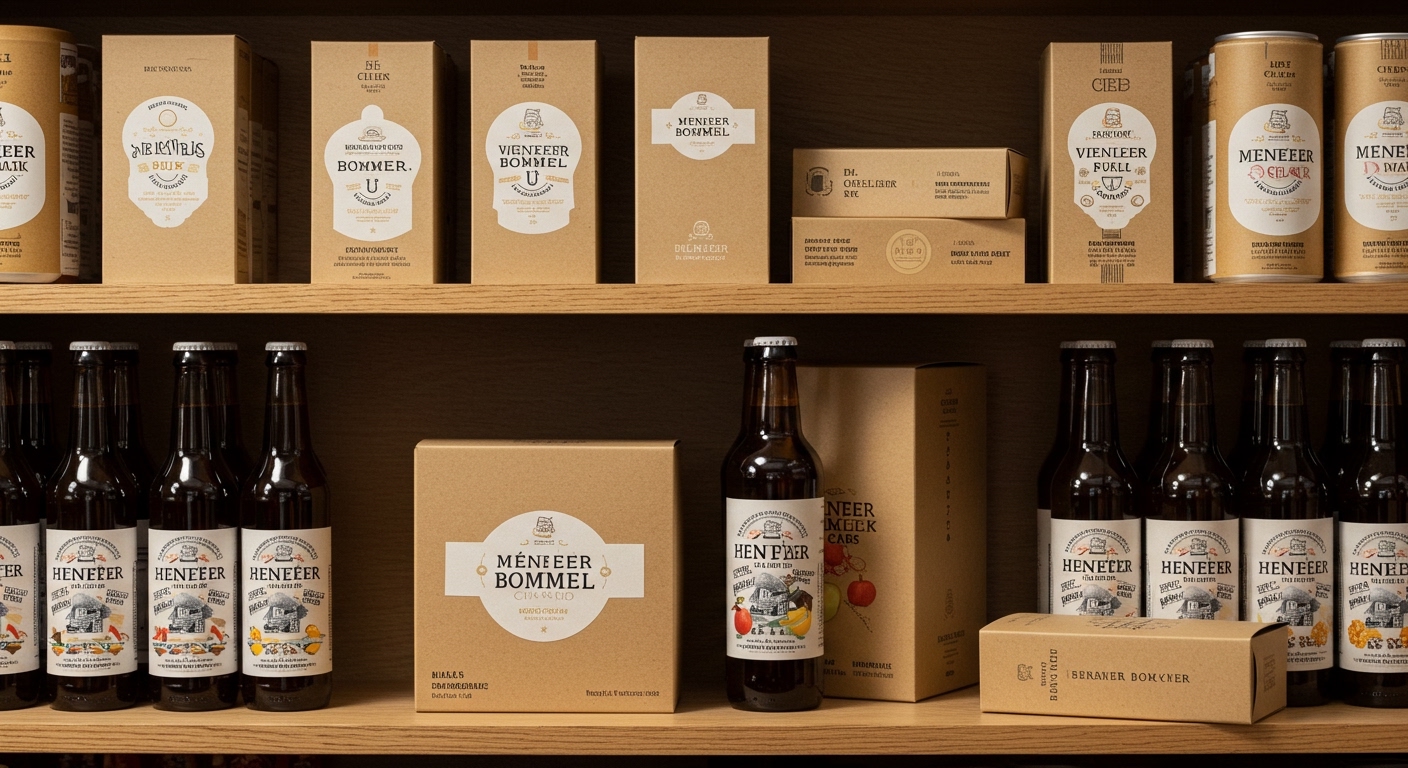
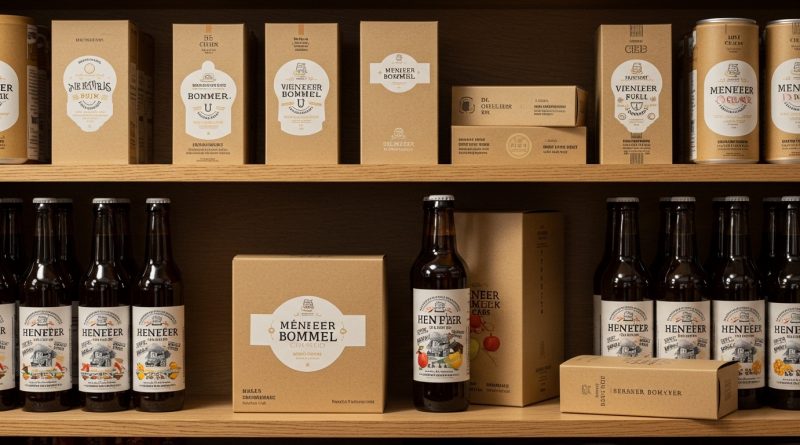
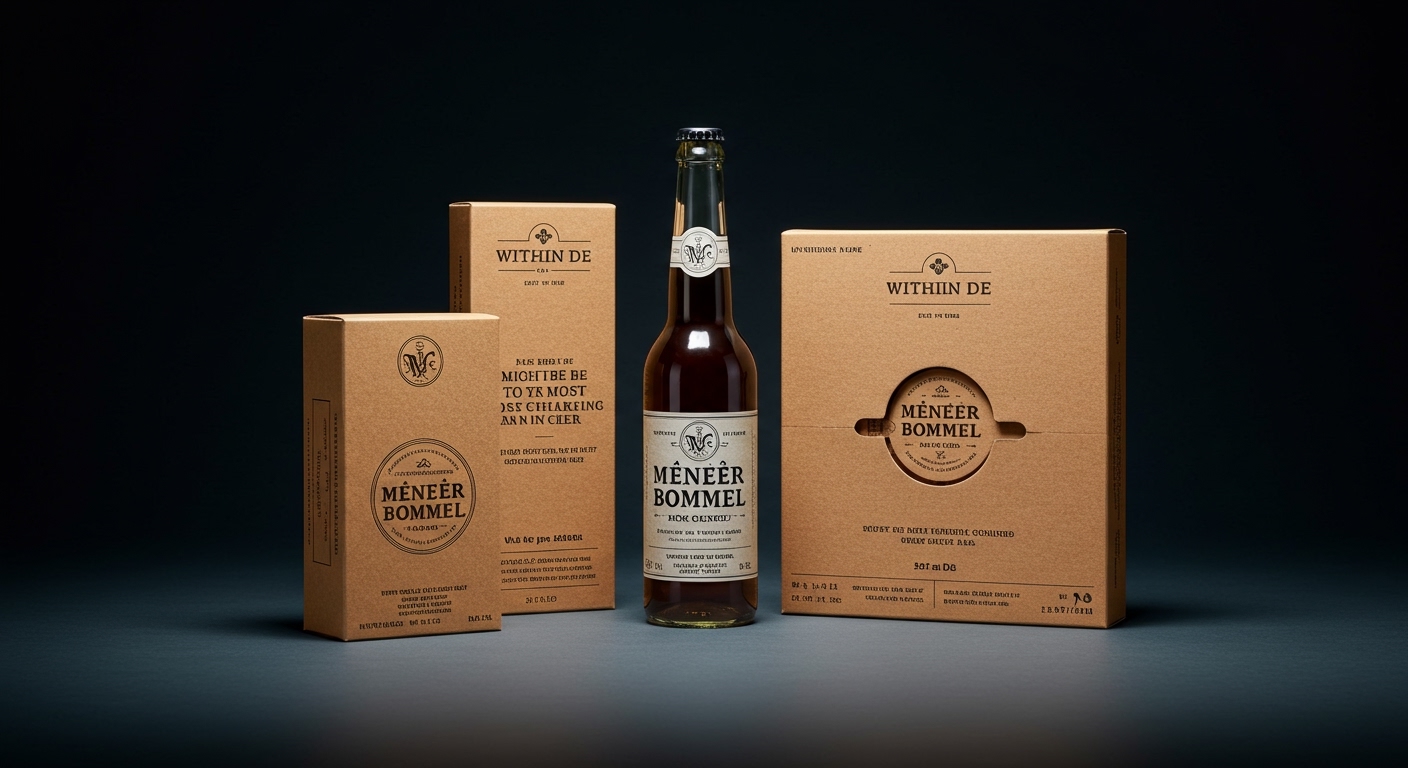
Meneer Bommel’s cider packaging, designed by Within Design Studio, discards the typical polished aesthetic of its category in favor of a hand-lettered wordmark and loose comic strip linework.
A specific pattern connects recent packaging innovations: a deliberate move by brands and studios to disrupt established category visual conventions. Rather than conforming to an expected aesthetic, designers like SODAA for Dukes Coffee and Holy Studio for Unbridled Spirit are prioritizing distinct, often tactile, elements. This shift aims to forge a unique brand identity through sensory deviation and unexpected visual cues, distancing products from their competitors and the generic design language of their respective industries.
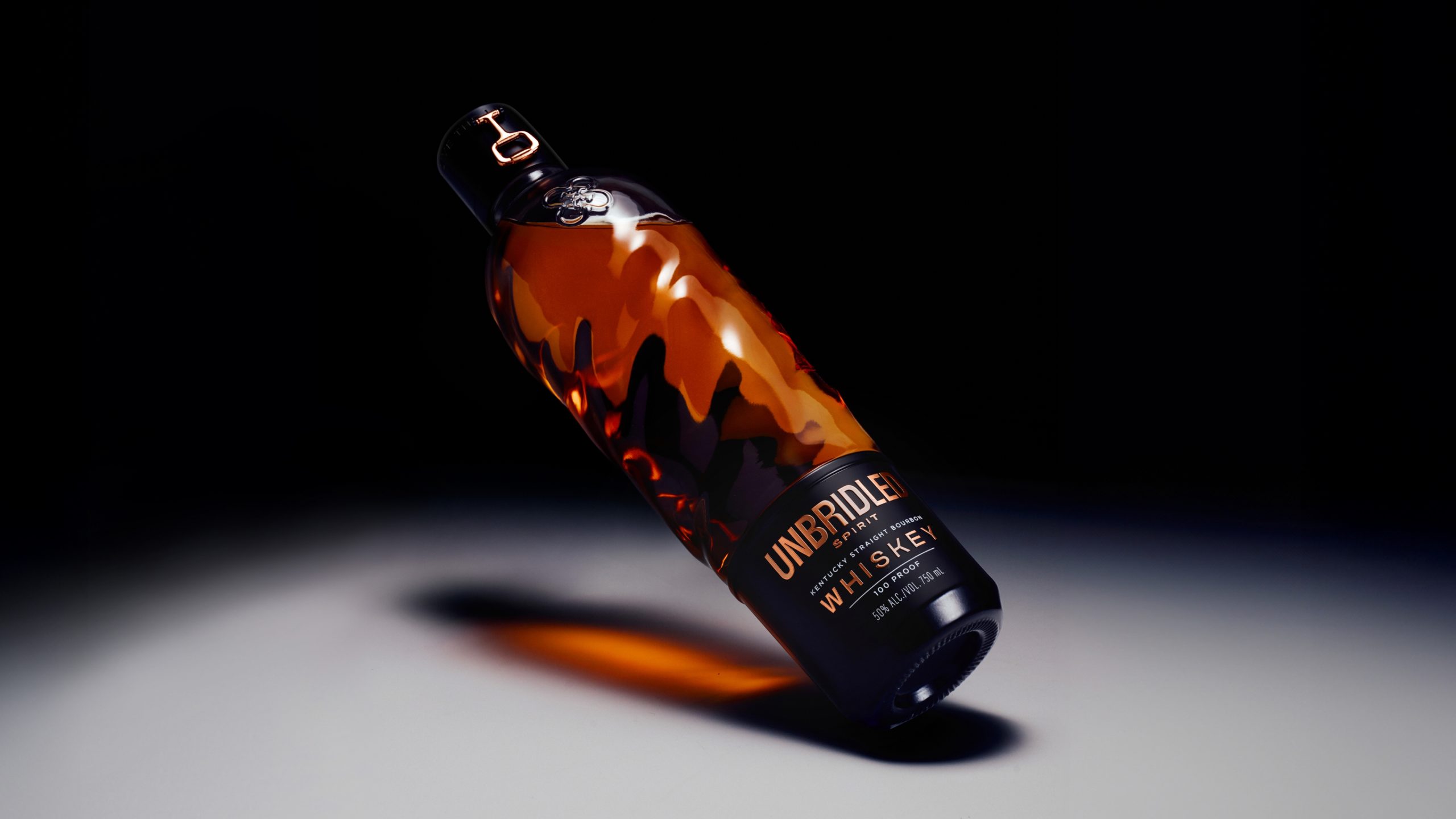
Unbridled Spirit bourbon exemplifies this shift towards tactile differentiation, replacing conventional whiskey iconography with a sculptural glass bottle and a distinctive rose gold snaffle bit hardware piece. This design choice directly challenges the mainstream industry’s recent emphasis on universal mono-material recyclability as the sole pathway to sustainable packaging. While simplifying material streams for recycling is crucial, the inclusion of a multi-material component like Unbridled Spirit’s hardware offers a different sustainability approach for luxury segments. This strategy focuses on longevity and desirability, where the tactile luxury and intrinsic value of such components encourage retention, reuse, or even collection by consumers, rather than immediate disposal.
The focus on “keepability” extends the lifecycle of packaging components, redefining the narrative of sustainable luxury. The perceived value of these non-essential, yet signature, elements can transform them into brand totems. By mid-2027, more high-end brands will intentionally integrate distinct, detachable components—even those that complicate curbside recycling—into their packaging. This trend will necessitate design for easy disassembly and robust material traceability, shifting the sustainability discussion for premium products from “easy to recycle” to “too valuable to discard.”
The primary opposing force to this design philosophy is the existing infrastructure of municipal recycling programs. These systems are optimized for the efficient, high-volume processing of common mono-materials like PET plastic or corrugated cardboard. Multi-material designs, particularly those with intricate or disparate components, often create processing inefficiencies, leading to contamination or diversion to landfill. The current economic models and mechanical capabilities of waste management facilities are not equipped to readily handle a widespread increase in deliberately complex, high-value, multi-material packaging.
A working packaging professional should audit existing design projects this week to identify opportunities for integrating a single, non-essential tactile element that adds significant perceived value and encourages consumer retention. This could involve exploring materials like ceramic, specific metal alloys, or untreated wood for a detachable component. Simultaneously, professionals must research and propose brand-specific take-back programs or clear end-of-life pathways for these high-value elements, ensuring a deliberate strategy beyond standard municipal recycling.
TL;DR
Packaging designs are prioritizing distinct tactile elements that challenge conventional recycling for brand differentiation and longevity.
Curated References


About this editorial — This piece was developed using AI-assisted research and curation across multiple industry sources. All analysis, opinions, and predictions represent the editorial perspective of JHDD. Sources are linked in the references section above.